Utrecht, a prominent city in the Netherlands, has long been at the forefront of innovative transport solutions aimed at enhancing sustainability and efficiency. With a reputation for progressive urban planning, Utrecht gained recognition 13 years ago with the introduction of its Traffic Garden, an initiative designed to optimise traffic flow and promote cycling among residents. This initiative not only encouraged the use of bicycles as a primary mode of transport but also established a model for urban mobility that other cities may aspire to replicate.
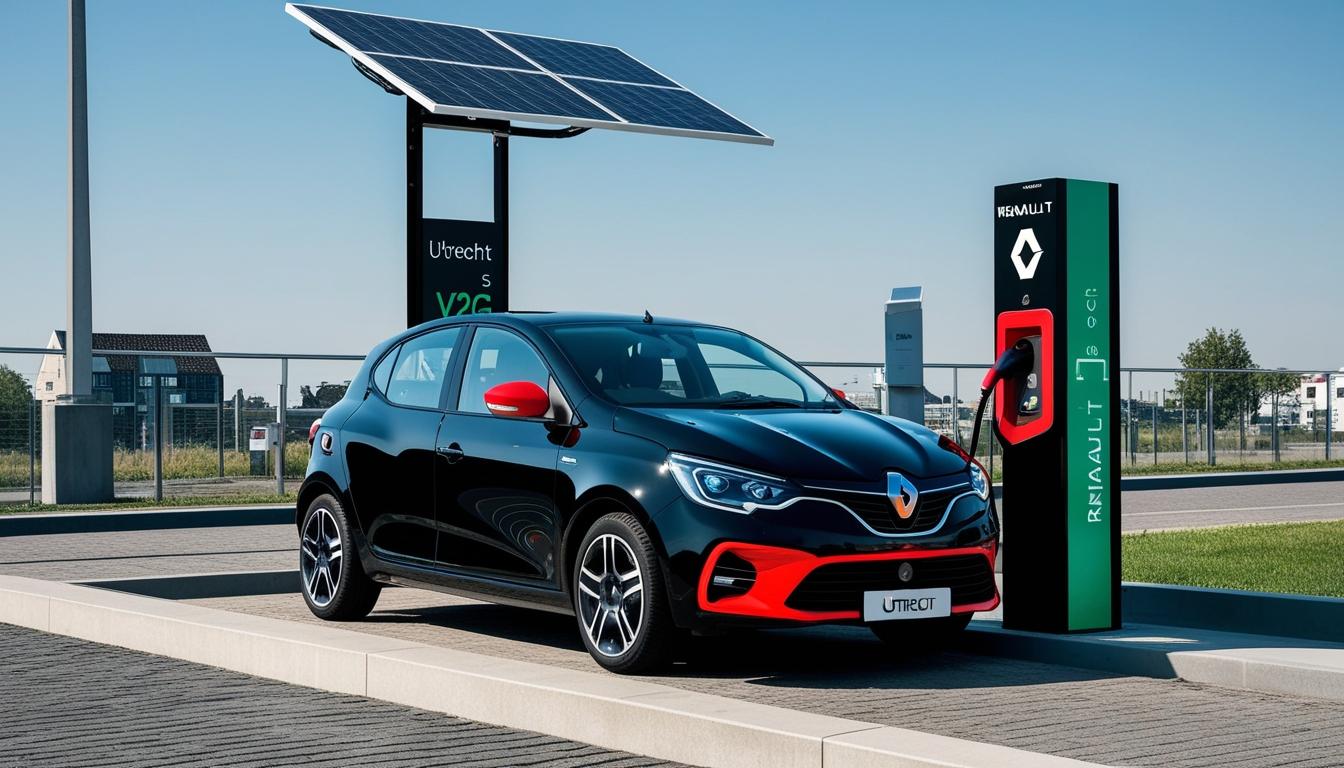
Nine years on from the Traffic Garden’s launch, Utrecht further integrated various transport solutions to reduce emissions associated with the increasing number of cyclists. The introduction of 150 Renault ZOE electric vehicles (EVs) as part of a solar smart charging project marked a significant commitment to green energy. The city has also embraced renewable sources by installing solar panels on 35% of its rooftops, positioning it as one of Europe’s leading cities in renewable energy adoption. The strategic use of solar energy for charging electric vehicles supports Utrecht's goal of enhancing air quality and reducing the carbon footprint of urban transport.
The latest development in Utrecht’s transport strategy was unveiled recently with the introduction of the first Vehicle-to-Grid (V2G) enabled car-sharing programme in Europe. This initiative is a collaborative effort involving the city of Utrecht, Renault Group, We Drive Solar, and MyWheels, the Netherlands' leading car-sharing service. Under this programme, Renault Group will provide a fleet of 500 Renault 5 E-Tech electric vehicles equipped with Mobilize’s V2G technology. The installation and management of bidirectional charging stations will be undertaken by We Drive Solar, while MyWheels will oversee the operation of the vehicles.
This V2G car-sharing programme represents a significant evolution in urban infrastructure, as it will allow the fleet of electric cars to contribute to energy balancing in the Utrecht region. During peak demand hours, the vehicles have the potential to provide up to 10% of the flexibility needed to manage the fluctuating outputs from solar and wind energy sources. The incorporation of V2G technology is expected to create a more resilient and sustainable energy system, aligning with the region’s objectives for integrating renewable energy sources.
Furthermore, there are plans for expanding the electric vehicle fleet to include models such as the Renault 4 E-Tech, Megane E-Tech, and Scenic E-Tech in the future. These vehicles, characterised by their compact size and advanced technologies, are well-suited for urban car-sharing initiatives, particularly in populated areas.
The partnership between public entities and private enterprises underlines the importance of collaboration in advancing urban mobility and sustainability goals. The V2G-enabled car-sharing programme serves as a prime example of how public-private partnerships can accelerate the development of innovative transport solutions, ultimately fostering healthier and more efficient urban environments. Utrecht's continued evolution as a leader in sustainable transport practices exemplifies the benefits of forward-thinking policies and technological integration in addressing modern urban challenges.
Source: Noah Wire Services