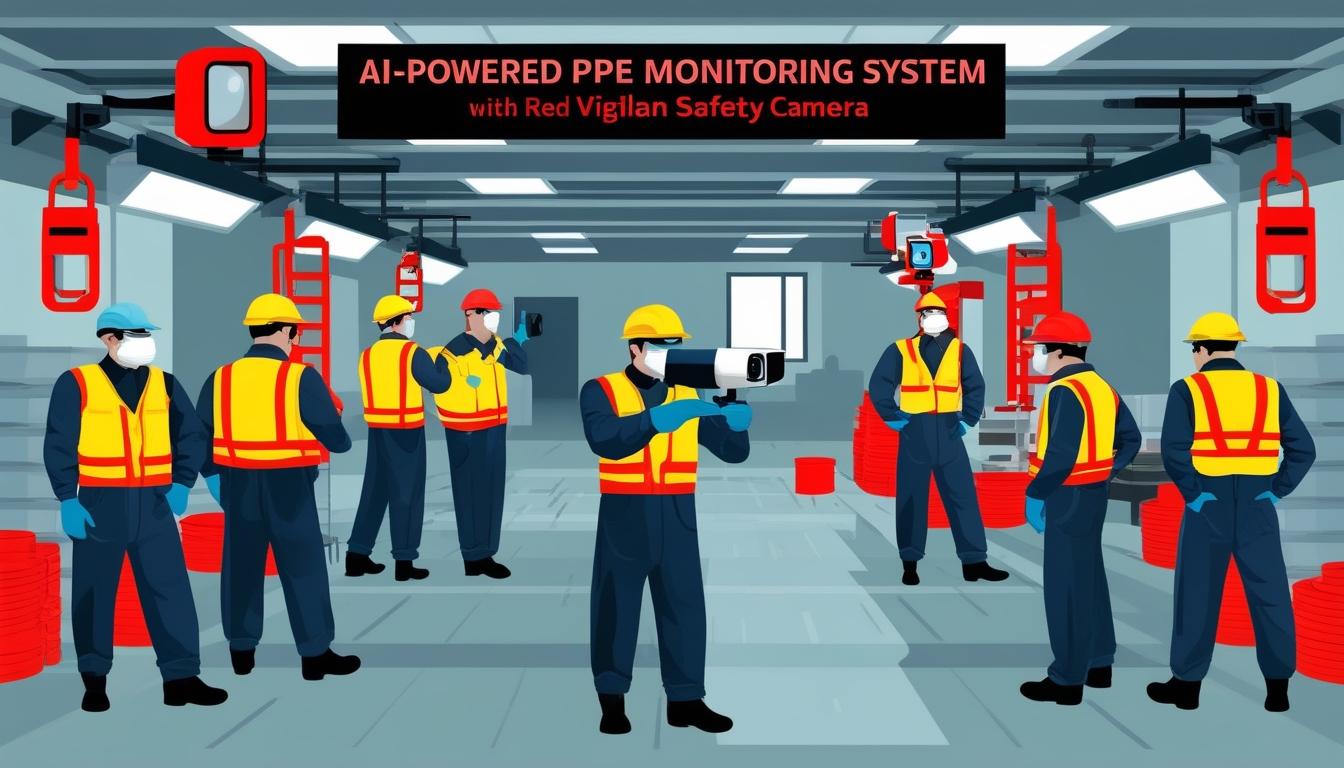
In the ever-evolving landscape of the manufacturing sector, the importance of worker safety has reached a pivotal point, with businesses increasingly recognising that adherence to safety standards is essential for cultivating a productive work environment. Traditional methods of monitoring Personal Protective Equipment (PPE) compliance have often been plagued by inaccuracies and inefficiencies, raising the need for innovative solutions.
According to the London Daily News, AI-powered PPE monitoring systems are emerging as a revolutionary approach to enhancing safety practices in manufacturing facilities. By employing advanced computer vision and deep learning technologies, these systems automate the monitoring process, ensuring that workers on the factory floor consistently utilise the necessary protective equipment, reducing the risk of accidents and ensuring regulatory compliance.
The significance of robust PPE monitoring in manufacturing cannot be overstated. The industry faces numerous challenges, notably a high risk of injuries and accidents that can disrupt operations and endanger workers' lives. Furthermore, inadequate PPE adherence can expose employees to hazardous chemicals and extreme environmental conditions, prompting manufacturers to maintain compliance with safety regulations to avoid substantial fines and the negative impacts on their reputations.
The AI-powered systems are intricately designed to address these concerns. Cameras equipped with computer vision technology continually scan manufacturing environments, verifying that employees wear essential safety gear such as helmets, gloves, goggles, and masks. Advanced deep learning algorithms enable these systems to accurately identify different types of PPE, even under challenging lighting conditions. If any violations are detected, the system alerts supervisors or managers immediately, allowing for swift intervention to mitigate potential hazards.
These advanced features not only streamline compliance checks but also foster an environment of continuous safety oversight. Automated PPE detection eliminates the need for time-consuming manual inspections, while comprehensive coverage ensures that various types of protective equipment are monitored consistently. Additionally, integrating AI technology within traditional CCTV systems enhances surveillance capabilities, critical for proactive safety management.
The benefits of implementing AI-driven PPE monitoring systems in manufacturing facilities are substantial. Continuous monitoring ensures ongoing compliance with safety standards, significantly reducing the likelihood of accidents and minimising operational downtime. With a safer workplace, employee morale and productivity can flourish, in turn reinforcing a company's compliance with safety regulations and protecting it from potential legal complications.
Looking to the future, the trajectory of AI in PPE monitoring suggests a transformative shift towards fully autonomous safety systems within manufacturing environments. As this technology develops, it is expected to merge with predictive analytics, the Internet of Things (IoT), and robotics, paving the way for sophisticated systems capable of not only ensuring PPE compliance but also detecting broader environmental hazards.
The London Daily News highlights the commitment to worker safety represented by AI-driven PPE monitoring. By leveraging cutting-edge technology to automate safety measures, manufacturers can guarantee the welfare of their workforce whilst streamlining productivity. As AI continues to advance, it holds the promise of delivering significant enhancements in safety protocols and operational efficiency, allowing businesses to focus on their core objectives—delivering excellence in their products and services.
Source: Noah Wire Services