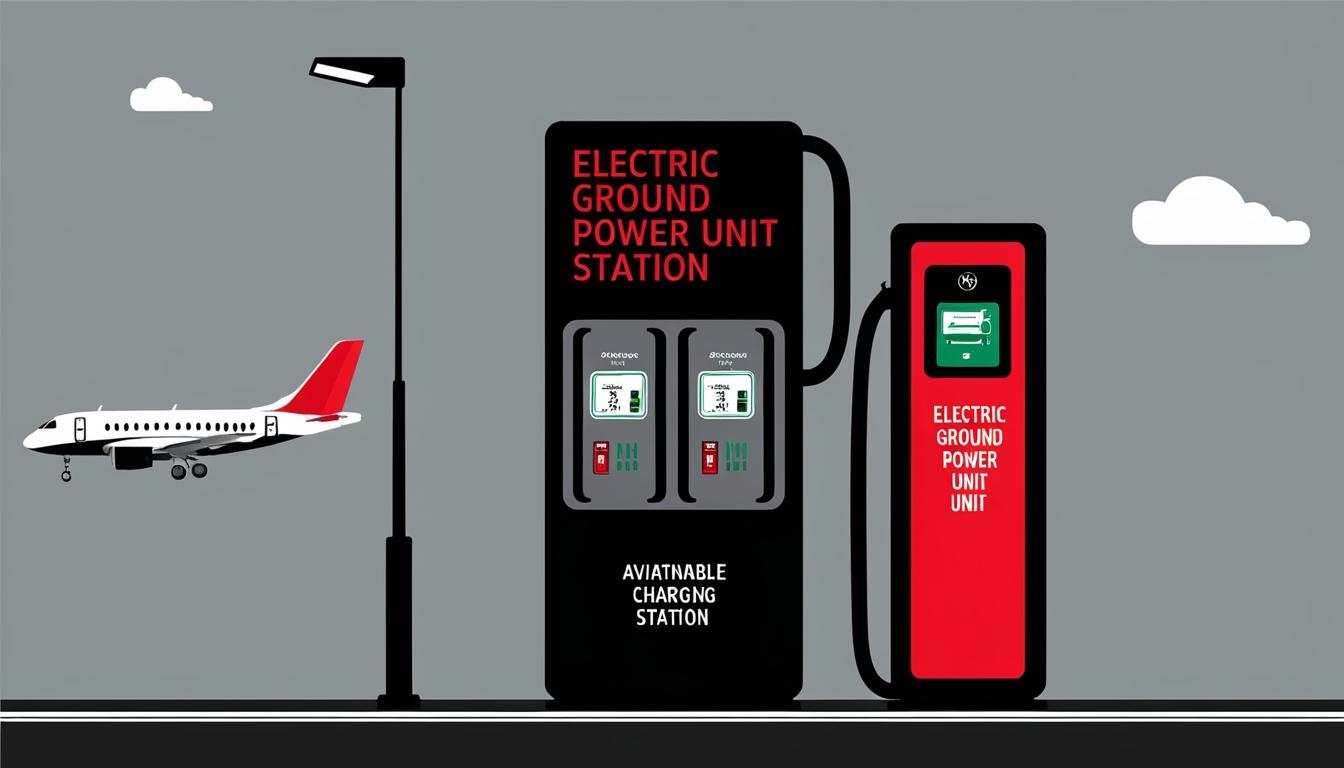
In a landscape increasingly focused on sustainability and technological advancement, the aviation sector is witnessing a pivotal shift in ground power unit (GPU) systems, particularly regarding the transition from diesel power to electric solutions. Legacy airlines in the United States remain predominantly reliant on diesel GPUs, despite a marked movement towards electrification in private aviation and Maintenance, Repair, and Overhaul (MRO) services.
The trend towards electric GPUs is bolstered by funding initiatives like the California Operative Renewable Energy (CORE) programme, aimed at fostering greener energy solutions within the aviation industry. This funding is indicative of a broader recognition that electrification can play a vital role in reducing carbon emissions and contributing to more sustainable business practices.
Sébastien Fabre, Chief Operating Officer of TLD’s Windsor factory, remarked on the variances in electrification progress across different regions, stating, “For sure it’s not the same everywhere – and this is not specific to GPUs.” Fabre highlighted the challenges posed by the existence of multiple standards in ground power units, specifically noting four distinct standards currently in operation: T3, T4F, GB4, and ST5. This diversity in standards complicates fleet management for companies operating internationally and contributes to a more complex supply chain.
Moreover, Fabre articulated the operational implications for manufacturers, pointing out that the push for electrification is not merely a trend but a practical move to simplify production: “That’s also why as a manufacturer, we are pushing for electrification: it will reduce the complexity of the entire supply chain, allowing us to have a single driveline or powerline.”
Despite these advancements, significant infrastructural challenges remain for full electrification to be realised at airports. The lack of adequate charging infrastructure continues to pose issues, particularly concerning the power requirements to charge equipment, the number of charging points required, charging times, and the physical footprint of the equipment. These factors are critical structural and organisational constraints that airports must address in their journey toward decarbonisation.
The ongoing dialogue around electrification in aviation highlights both the potential benefits of emerging technologies in creating sustainable business practices and the hurdles that need to be overcome to fully implement these innovations. As interest and investment in electric GPUs increase, the aviation industry appears poised for a transformation that may reshape operational approaches in the coming years.
Source: Noah Wire Services