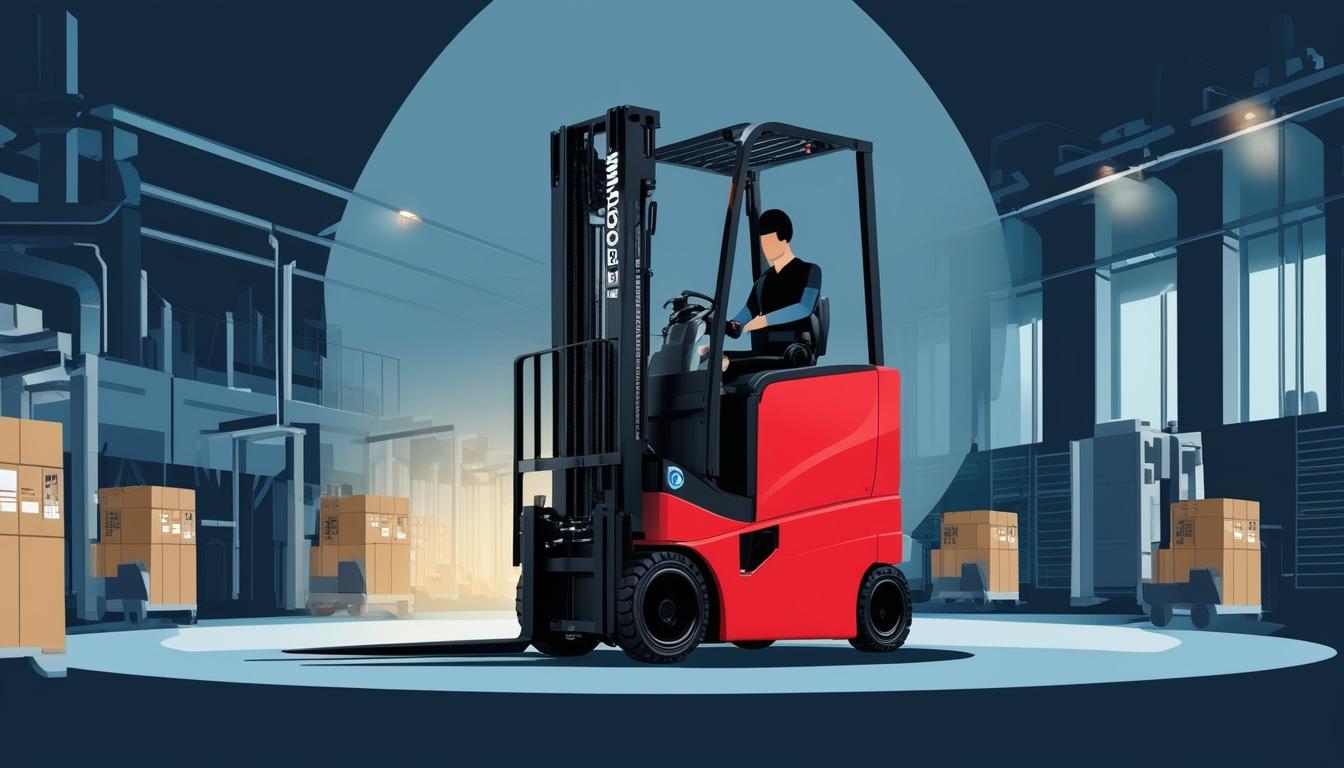
Bavarian automaker BMW has unveiled ambitious plans to transition its intralogistics fleet at the Regensburg plant from battery power to hydrogen fuel cell technology by the year 2030. The initiative involves replacing the entire existing fleet with fuel cell electric vehicles (FCEV) including forklifts and tugger trucks, which will operate across various production facets such as the press shop, body shop, and assembly lines.
Despite the increasing sales of BMW's battery electric vehicles, the company is directing significant investment towards the development of hydrogen technology. This includes the recently announced iX5 Hydrogen FCEV concept as part of a broader strategy to incorporate hydrogen solutions into its logistics operations.
Project Manager at BMW Regensburg, Katharina Radtke, articulated the benefits of this transition, stating, "Switching production logistics from electricity to hydrogen will diversify our plant’s energy mix – while optimizing logistics processes and saving valuable space. The advantage of hydrogen is that refueling is very fast – just like with conventional fuels." To support this shift, BMW plans to install a mile-long network of underground pipes, which will connect six decentralized hydrogen filling stations within the plant by the first quarter of 2026. Radtke anticipates that the completed system will result in the consumption of around 150 tonnes of hydrogen annually.
However, the transition to hydrogen does not come without challenges. There is a prevalent concern regarding the sustainability of hydrogen production, as much of the hydrogen currently available is derived from fossil fuels, raising questions about its environmental impact compared to battery electric solutions. Industry experts are similarly sceptical. Alexander Vlaskamp, CEO of MAN Trucks, expressed his doubts, stating that "it is impossible for hydrogen to effectively compete with battery electric trucks." He highlighted the prevailing market cost of hydrogen, which sits at around 13 to 14 euros per kilogram, questioning the feasibility of using hydrogen when it is not produced sustainably. Vlaskamp further noted that if green hydrogen does become available, it would likely be prioritised for heavier industries such as steel, cement, or plastic manufacturing.
The transition also poses logistical considerations regarding fuel storage. While Radtke emphasises the advantage of rapid refueling, critics argue that the dynamics of hydrogen filling illustrate a different reality. Filling a hydrogen tank quickly leads to gas expansion and subsequent contraction, resulting in a tank that is not fully usable despite a quick fill-up. This has raised concerns about the practical implications of using hydrogen compared to the efficiency of battery charging.
As BMW forges ahead with its hydrogen plans, the successful deployment of the new intralogistics fleet will hinge not only on the company's technological advancements but also on the broader economic viability of hydrogen as a fuel source. The coming years will be critical in determining how this transition unfolds, especially in light of the existing debates within the industry about the sustainability and efficiency of hydrogen fuel compared to electric alternatives.
Source: Noah Wire Services