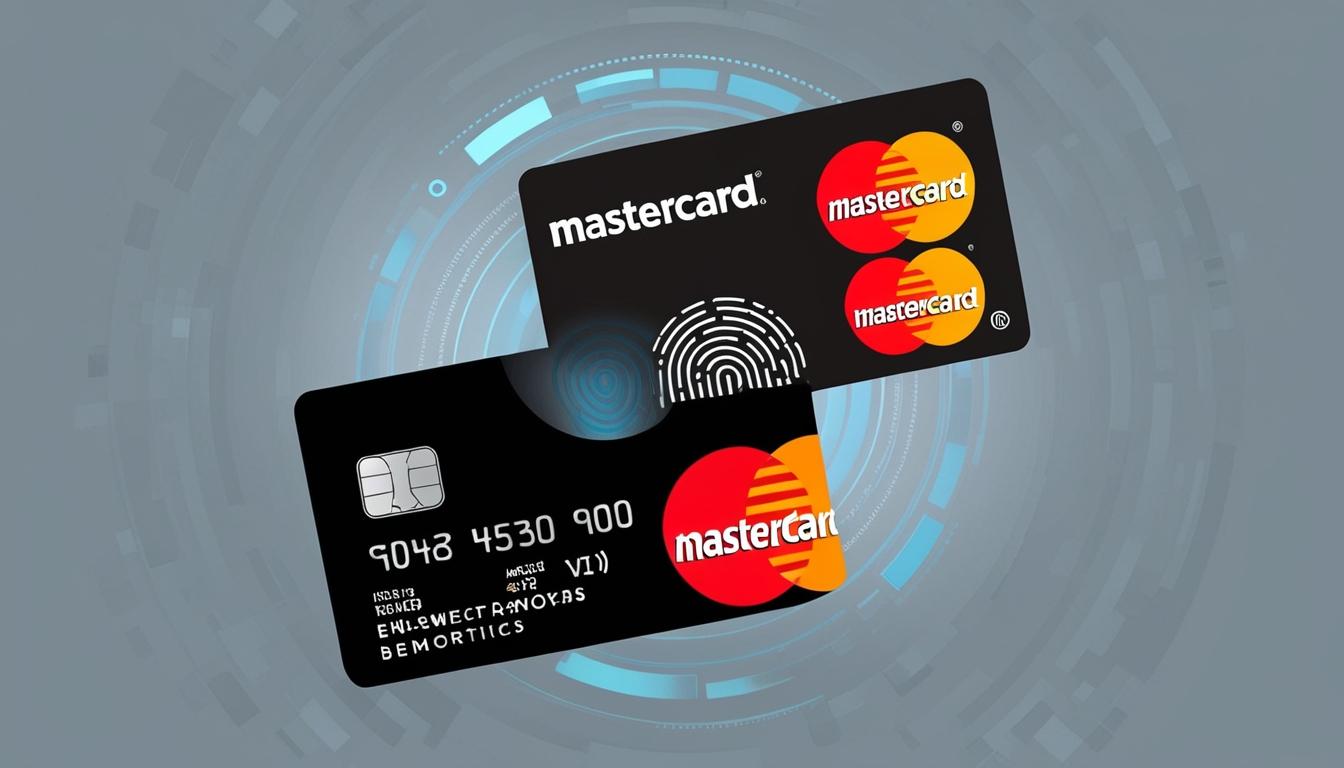
Mastercard is advancing its efforts to enhance online security in the payment industry with a bold initiative to phase out passwords by the year 2028. The financial services corporation further aims to eliminate the use of card numbers and one-time codes by the end of 2030. The transition to more secure methods of authentication such as tokenization and biometric verification is a central part of this strategy, designed to safeguard user information amid growing cybersecurity threats.
The surge in e-commerce transactions has unfortunately been accompanied by a notable increase in fraudulent activities. Data from the International Banking Institute indicates that Mastercard holds a substantial market presence, accounting for nearly 40% of global online transactions, with Visa closely following. The proliferation of cybercriminal activities targeting exposed card details—ranging from card numbers to CVVs and even partial numbers—has resulted in significant financial losses for both consumers and e-commerce merchants.
In addressing the challenge of online fraud, Mastercard has worked alongside other industry players like Visa to implement advanced security measures since 2014. One such measure is tokenization, which substitutes traditional 16-digit card numbers with unique, encrypted tokens that are designed to thwart fraud and enhance transaction approval rates.
Looking ahead to the 2030 deadline, Mastercard has outlined clear plans to remove passwords and one-time passcodes entirely. Instead, the company is set to mandate the use of passkeys for user authentication. Successful trials of this technology have already taken place in markets such as Singapore, the United Arab Emirates, and India.
Biometric verification is poised to play a significant role in Mastercard's future security framework. Techniques such as facial recognition, fingerprint scanning, and iris scans are expected to create barriers preventing fraudsters from accessing sensitive personal and financial information. This shift towards biometric solutions underscores the growing emphasis on security within the digital payment landscape.
Moreover, Mastercard is also planning to eliminate physical card numbers from its operations. The expansion of its Click to Pay service will facilitate users' ability to load their card information onto mobile devices securely. This innovation allows consumers to execute payments effortlessly, often simply by tapping their smartphones against payment terminals or swiping their home screens, thereby eliminating the need for physical cards altogether.
Through these developments, Mastercard aims to foster a more seamless and secure payment experience for consumers, while simultaneously addressing the increasing incidence of digital fraud in today's complex online marketplace.
Source: Noah Wire Services