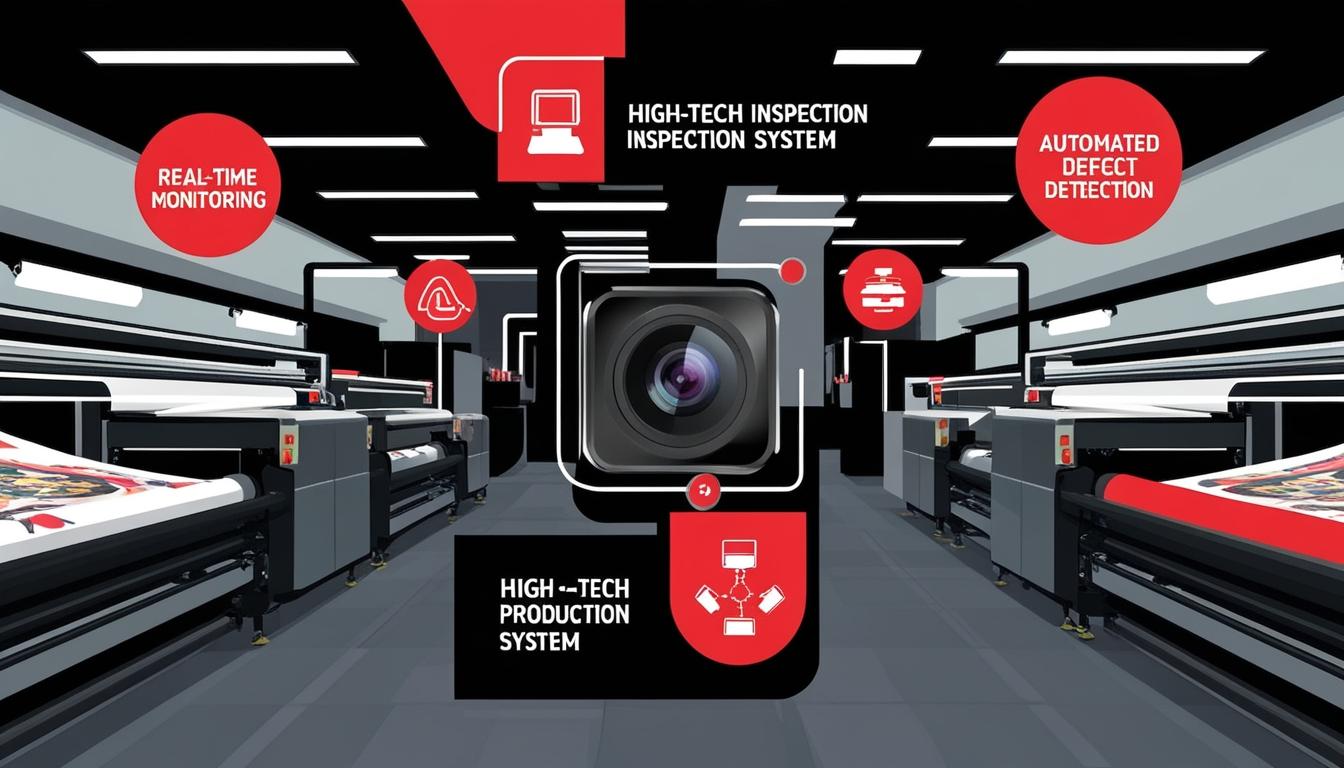
In the rapidly evolving landscape of print production, inspection systems are transitioning from a reactive approach to a more proactive form of quality assurance, transforming how print quality and efficiency are managed. Sean Smyth, writing for Digital Labels & Packaging Magazine, outlines this significant trend as the industry approaches 2024.
Historically, the integration of inspection systems in the labelling and packaging sector was limited. Press operators closely monitored prints, manually identifying defects only after they occurred. However, advancements in technology have led to the adoption of high-definition camera systems and spectrophotometers that enable real-time monitoring of defects as they arise during production. This evolution is crucial for digital printing processes where variable data and intricate details are involved, including addressing missing inkjet nozzles. By initiating corrective actions in real-time, businesses are poised to minimise waste and enhance the overall efficiency of their production lines.
Several noteworthy providers are at the forefront of these changes. Baldwin Vision Systems, initially developed for security and pharmaceutical applications, now offers comprehensive defect tracking workflows for label and packaging production. This approach allows manufacturers to make informed, tactical decisions regarding which defects should be removed from products, maximising both yield and profitability.
In 2024, Lake Image will celebrate its 30th anniversary, continuing its tradition of supplying advanced inspection systems. At Labelexpo in Chicago, the company unveiled Discovery PQExpress, a new entry-level print quality inspection system designed for web applications. This system boasts cutting-edge imaging technology coupled with automated defect detection capabilities.
Esko has also made strides with its modular Helios inspection systems, developed by AVT, providing tools for colour monitoring and measurement. These tools allow users to set tolerances for colour deviation, ensuring consistent results across reprints. This system’s reporting capabilities enable communication between the press and the rewinding machine, optimising the production process by automatically inspecting labels or packs before dispatch.
Further enhancing automation, Durst has introduced Hawk AI, an upgraded inspection technology that autonomously corrects printing errors inline without requiring operator intervention. The company aims to redefine print quality checking on its new Tau RSCi inkjet label presses.
Bobst is advancing with its Accucheck system, which is integrated into new printing equipment to achieve zero-fault labels and packaging. Benji Ruhm, Chief Technology Officer at Bobst Mouvent, highlighted the system’s comprehensive integration into the workflow, significantly enhancing digitalisation and automation within the industry. During a demonstration at their new Competence Centre in Florence, the inspection system showcased its capabilities by capturing defects in real-time, offering detailed production reports that facilitate immediate rectification.
The increased utilisation of proactive inspection technologies enables businesses to automatically check for registration and colour consistency throughout production runs. This method not only identifies faults but also triggers immediate remedial actions on the press, streamlining overall production efficiency. Unlike traditional methods reliant on manual inspections, these systems have the capacity to scrutinise every print impression, greatly reducing the potential for defects to go unnoticed.
Central to this transformative trend is the concept of the digital twin - a comprehensive virtual representation of a job that incorporates both graphical and physical attributes, as well as operational information. This holistic view not only aids in controlling new presses and finishing systems but also enhances supply chain efficiency and consumer interactions.
As the industry moves towards fully automated “lights-out” production, the role of inspection systems is expected to expand significantly. According to Bobst’s Benji Ruhm, today’s inspection systems are essential in paving the way for future production methodologies that guarantee compliance throughout the job cycle, indicating a shift towards comprehensive automation in the printing sector.
Source: Noah Wire Services