Artificial intelligence (AI) is increasingly becoming an integral element of daily life and business operations, as it significantly alters how information is processed and decisions are made. This trend is particularly pronounced in fields that rely heavily on research and data analysis. According to a personal account published by CT Mirror, the author uses AI tools like ChatGPT for various queries, showcasing its efficiency in retrieving data and generating content based on user prompts.
AI operates by mimicking human cognitive functions—thinking, learning, and decision-making. It relies on extensive datasets which can originate from numerous sources, including literature, multimedia, real-world measurements through sensors, and user interactions on digital platforms. The effectiveness of AI systems is directly correlated with the quality and quantity of the data they are trained on.
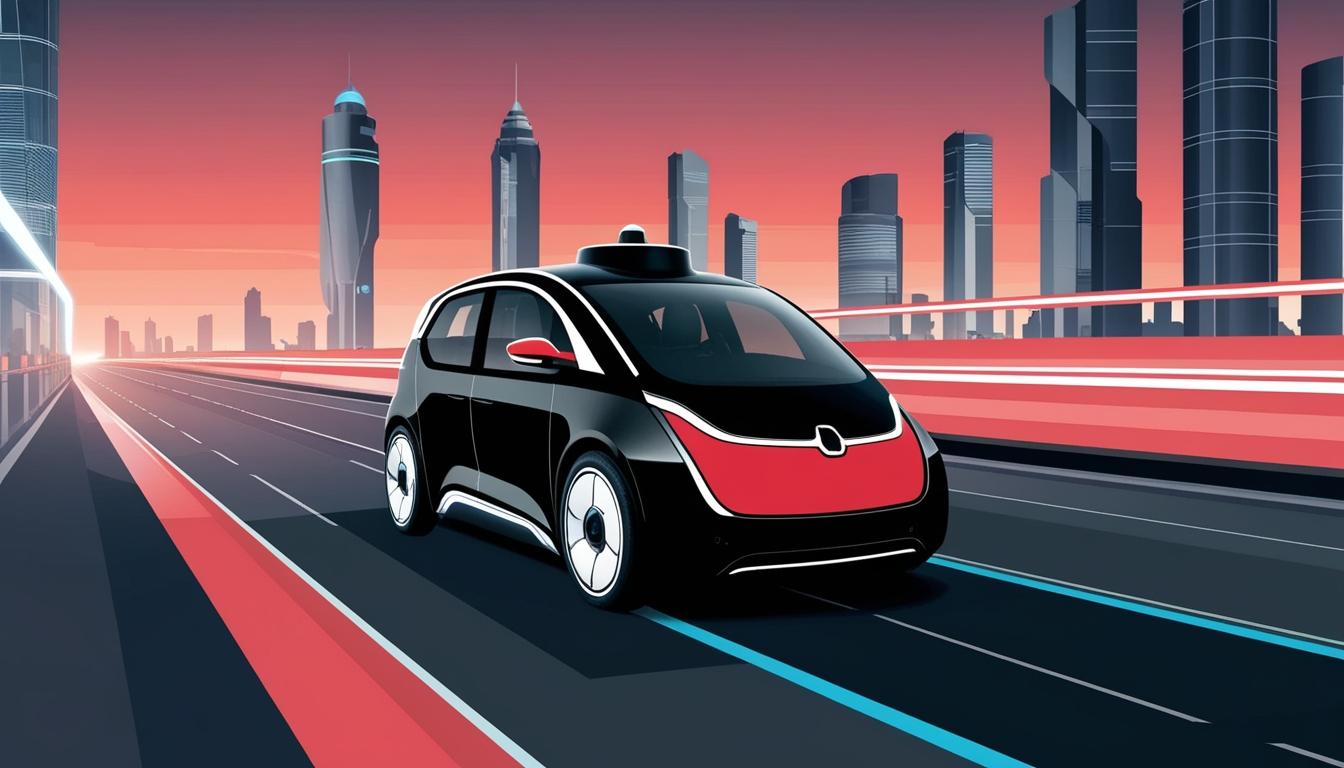
The publication outlines several advantageous applications of AI technology within the realm of transportation and commuting. Predictions suggest that AI could enhance commuting experiences by optimising rail scheduling and balancing train capacity with ridership demands. The development of autonomous vehicles, including buses and trains, promises to reduce costs and mitigate human error by removing the potential for mistakes associated with human operators.
Furthermore, AI-driven applications are projected to usher in personalised travel planning services that can alert users to delays and dynamically suggest alternative routes. The New York-New Jersey Port Authority is already leveraging AI to monitor traffic flow and adjust reversible lanes accordingly, illustrating a practical application of this technology in real-time traffic management. Additionally, AI-integrated sensors in roadways and infrastructure could facilitate proactive maintenance by notifying engineers of potential defects, potentially preventing failures before they occur.
Conversely, the deployment of AI technologies raises concerns regarding job security, particularly for information workers who operate remotely. As businesses embrace AI solutions, there is a realisation that these systems can provide cost-saving benefits by streamlining processes at the expense of human employment. The implications of reduced commuting due to fewer jobs could lead to financial losses for public transport entities, potentially inducing service reductions and fare increases.
While AI systems possess self-learning capabilities, they still require human oversight, prompting the creation of new occupational roles focused on AI engineering, design, training, and ethics. Individuals interested in navigating the evolving job landscape may find it beneficial to engage with AI for career guidance and adaptation strategies.
In summary, the advent of AI is reshaping numerous facets of modern life and business, with applications ranging from enhancing transport efficiency to posing challenges to traditional employment structures. The advancements in AI technology indicate a strong trajectory towards increased automation and data-driven decision-making, setting the stage for transformative changes across multiple industries.
Source: Noah Wire Services