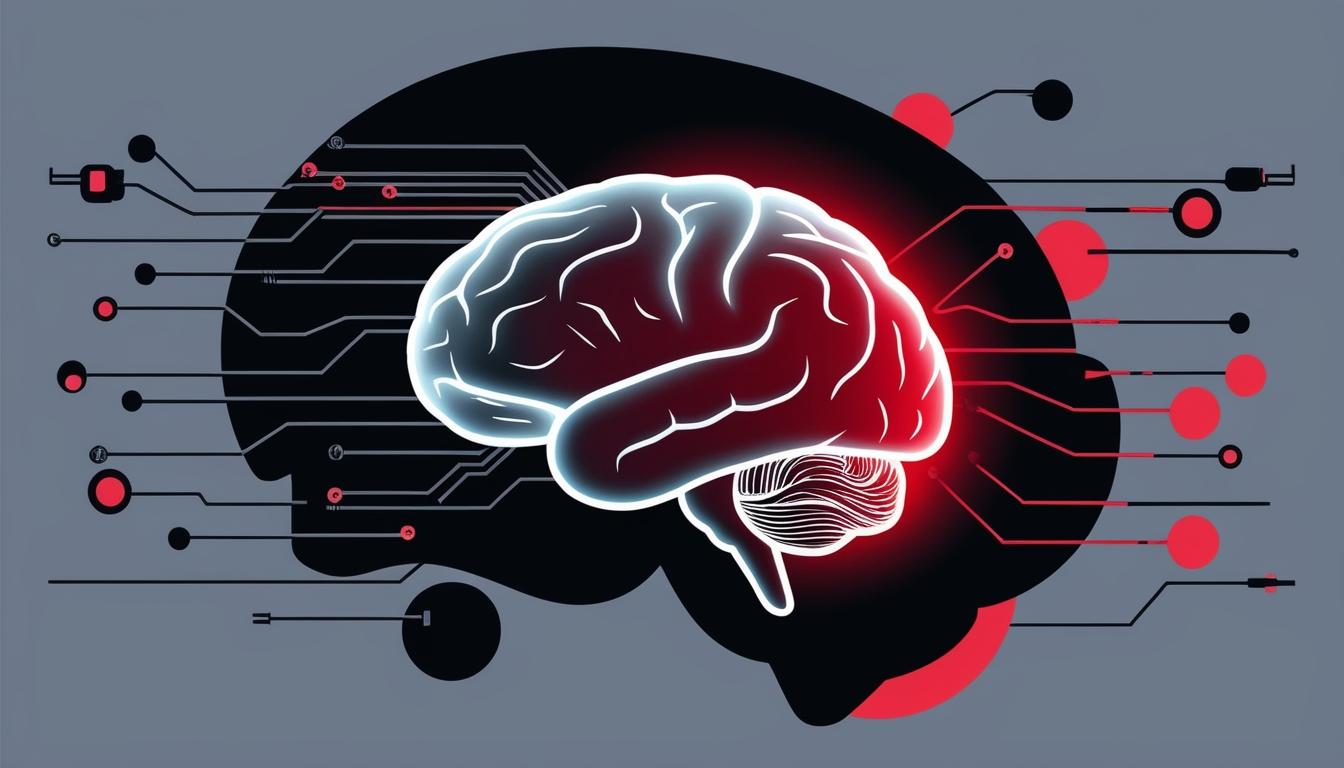
The discourse surrounding artificial intelligence (AI) is evolving rapidly, particularly with regards to its long-term impact on human evolution and societal structures. A recent paper published in The Quarterly Review of Biology addresses this topic, exploring the intricate interplay between AI technologies and the potential for human evolutionary changes.
As AI continues to diversify and permeate various sectors, some researchers are beginning to view its proliferation in a manner akin to the biological diversity observed in nature. An evolutionary biologist delves into how AI could shape both the physical and social environments humans inhabit, suggesting that these changes may have profound implications for natural selection.
Natural selection, a process rooted in the genetic differences that arise during reproduction, has historically been influenced by environmental interactions. An illustrative example cited is the domestication of wolves, which occurred as certain traits were selected for in an environment shared with humans. In this context, the evolving relationship between humans and AI could similarly encourage distinct attributes among future generations.
As the evolutionary biologist notes, “Trying to predict the future is a mug's game,” a perspective echoed by English author Douglas Adams. However, the intersection of technological advancement and human evolution presents a compelling area for speculation and discussion. The research aims to stimulate conversation about how intelligence and social behaviours may transform in the age of AI.
The nature of the relationship between humans and machines is central to this exploration. One potential outcome posited is a mutualistic relationship where both parties benefit. For instance, AI could relieve humans of cognitive burdens as online platforms increasingly form collective memories, which may lead to changes in human brain size and memory retention. A smaller brain size, while seemingly counterintuitive, could facilitate safer childbirth and allow humans to engage in complex activities through AI support.
Conversely, the researchers caution that such relationships could devolve into parasitic dynamics. The pervasive engagement with social media platforms serves as a pertinent example; while these platforms initially facilitated connection (a mutual benefit), they now consume vast amounts of users' attention, leading to a decline in quality interpersonal interactions and overall wellbeing.
A particularly noteworthy development in AI technology is the emergence of “artificial intimacy.” As AI systems increasingly mimic human social interactions—forming friendships and emotional bonds—the implications for human socialisation are profound. People may become more comfortable with digital companionship, raising questions about the future of genuine human connection and the psychological ramifications of artificial interactions.
Despite the immediate significance that AI bears on current lives, the broader implications regarding genetic evolution are not to be understated. Such long-term changes could potentially alter essential human traits such as trust, communication, and even intelligence.
The ramifications of AI on human evolution may well extend beyond the present, as scholars encourage a deeper inquiry into a future shaped by machines that could redefine what it means to be human. This contemplation is not just an abstract exercise; rather, it challenges researchers and ethicists to consider how humanity might negotiate its identity amid rapidly advancing technology.
Source: Noah Wire Services