In an era where businesses continuously seek to enhance efficiency while reducing costs, outsourcing has emerged as a strategic approach for many organisations globally. This practice, which refers to the delegation of specific tasks or services to external vendors, is particularly significant in modern business operations, allowing companies to tap into specialised expertise.
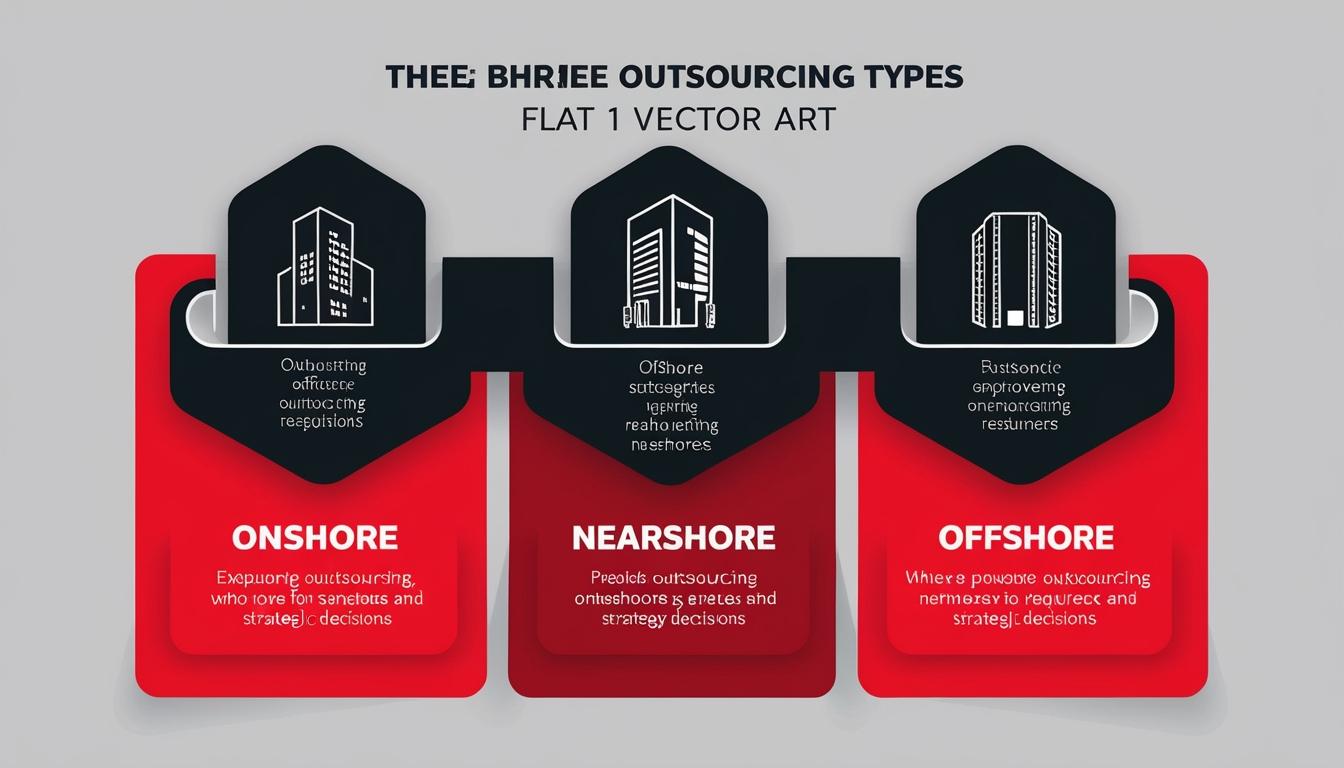
The article from TechBullion outlines the three primary forms of outsourcing: onshore, nearshore, and offshore. Each of these outsourcing strategies offers distinct advantages and is applied according to different operational needs.
Onshore outsourcing involves collaborating with vendors within the same country as the client organisation. One of its key benefits is the ease of communication that results from working within the same time zone and cultural context. This proximity enables businesses to access a skilled workforce that understands local market standards, leading to quicker project completion. For instance, organisations often partner with local firms for software development, ensuring that their applications comply with domestic regulations while also maintaining high-quality standards.
In contrast, nearshore outsourcing allows businesses to delegate tasks to vendors in neighbouring countries that share similar time zones. This approach often provides cost savings while retaining cultural affinity and enabling real-time collaboration. A typical example would be a U.S.-based company outsourcing to a firm in Mexico or Canada, thus achieving an economical balance between operational convenience and cost efficiency.
Offshore outsourcing, on the other hand, involves hiring vendors located far from the client’s home base, often on different continents. This method typically leads to significant cost reductions due to lower labour and operational expenses in regions like Asia or Eastern Europe. Companies benefit from access to a global talent pool, and they can rapidly scale their teams to respond to large-scale project requirements. Tech companies frequently engage in software outsourcing to offshore partners, such as firms in India and Vietnam, to leverage advanced technologies and experienced developers at lower costs.
When comparing these outsourcing types, businesses often evaluate aspects such as cost, communication efficiency, time zone differences, and talent access. Onshore outsourcing generally incurs higher costs but offers seamless communication, whereas offshore outsourcing is the most economical option but may require additional communication tools to manage differences in time and language.
Particularly in the software industry, outsourcing has become essential for innovation and efficiency. Many organisations rely on external software specialists to develop complex IT systems, allowing them to concentrate on their core business activities. The advantages of outsourcing software development include cost efficiency, access to expert knowledge, accelerated development cycles, and the flexibility to adjust team size based on project demands.
Real-world applications of outsourcing are abundant, ranging from large-scale IT projects undertaken by global corporations to mobile app development efforts by startups that aim to focus their resources on marketing and user engagement. Customer support services often leverage bilingual talent through nearshore outsourcing, while e-commerce platforms increasingly rely on offshore teams for the creation of advanced online solutions featuring AI-powered recommendations and secure payment systems.
Despite its many advantages, outsourcing presents challenges such as communication barriers, data security concerns, quality assurance difficulties, and vendor dependency. Businesses can mitigate these issues by employing advanced collaboration tools, partnering with vendors prioritising data protection, and maintaining oversight to ensure seamless transitions between service providers.
When selecting a software outsourcing partner, companies should consider several criteria, including the vendor’s proven expertise, client reviews, technology stack alignment, communication practices, and scalability options. These factors play a crucial role in ensuring that the chosen partner can effectively meet the organisation’s outsourcing needs.
In conclusion, outsourcing represents a multifaceted strategy that empowers businesses in various sectors to achieve enhanced efficiency, scalability, and innovation. By understanding the intricacies of onshore, nearshore, and offshore outsourcing, organisations can make informed decisions that align with their operational goals and maintain a competitive edge in the market.
Source: Noah Wire Services