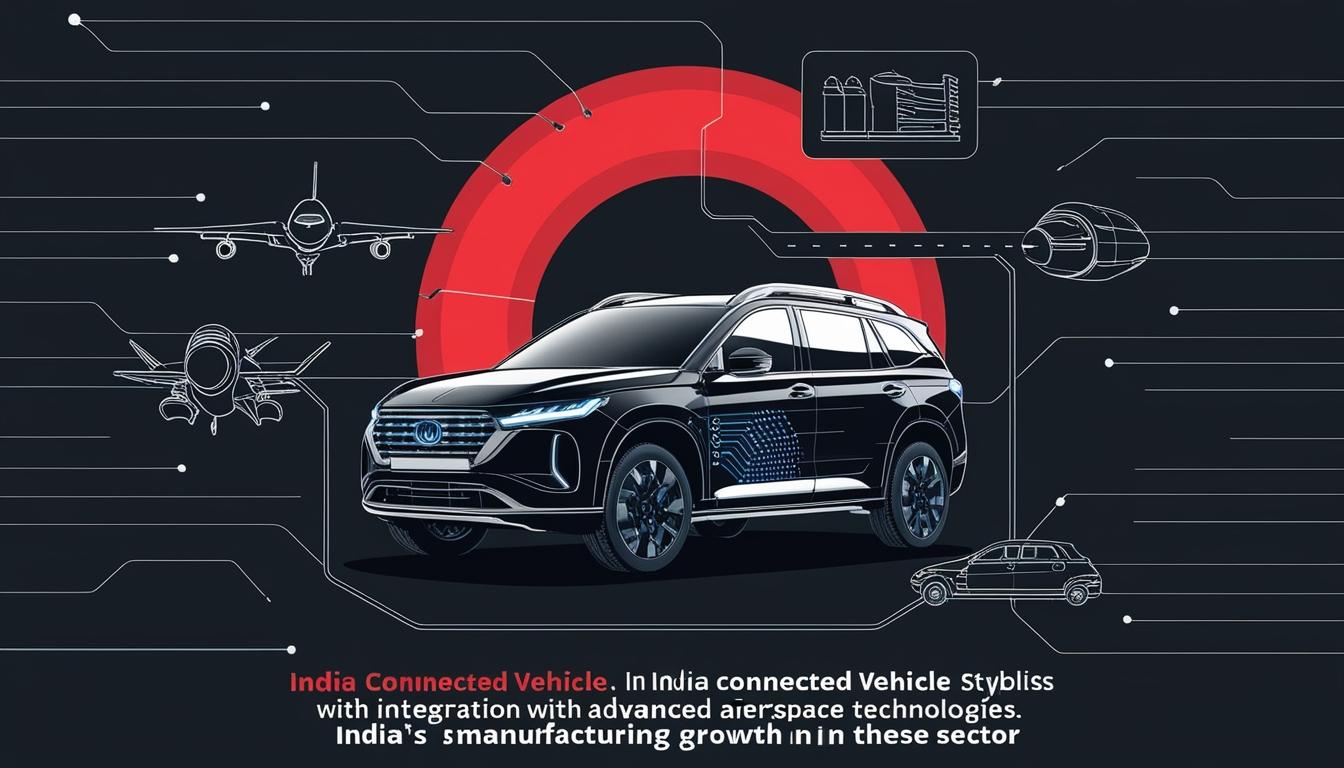
India's aerospace and defence sector is currently witnessing considerable growth, which is significantly propelling the manufacturing landscape. The industry has expanded to include the production of a diverse array of equipment, including aircraft, ships, spacecraft, and advanced weapon systems, all adhering to stringent international quality standards. This expansion not only highlights the potential of India's manufacturing capabilities but also positions the country as a significant player in the global aerospace and defence market.
Simultaneously, the realm of connected vehicles is undergoing rapid transformation, marked by the ongoing ET Auto Connected Vehicle Summit 2025. This event underscores the increasing significance of connected vehicle technology, which is emerging as a pivotal force across various sectors, including travel, transportation, infrastructure development, information technology, communications, and consumer electronics. The integration of these disciplines signifies a broadening of the scope in which connected vehicles operate, suggesting a future where technology interfaces seamlessly with everyday travel and transport experiences.
The heightened focus on both the aerospace and defence sectors, and the burgeoning field of connected vehicles, illustrates the trajectory of technological advancements that not only reshape industries but also redefine business practices. As nations such as India enhance their manufacturing prowess in aerospace and defence, and as the automotive industry embraces connected technologies, businesses are poised to engage with emerging trends that will likely influence operational efficiency, product development, and customer engagement in the years to come.
The evolution of these sectors, as reported by ETAuto, indicates a shift in market dynamics that stakeholders must navigate. With the intersection of innovation and industry needs, companies are encouraged to align with advancements in automation and connectivity to thrive amidst an increasingly competitive landscape. The future of business practices in these fields remains closely tied to the pace of technological integration and the industry's ability to adapt to new paradigms.
Source: Noah Wire Services