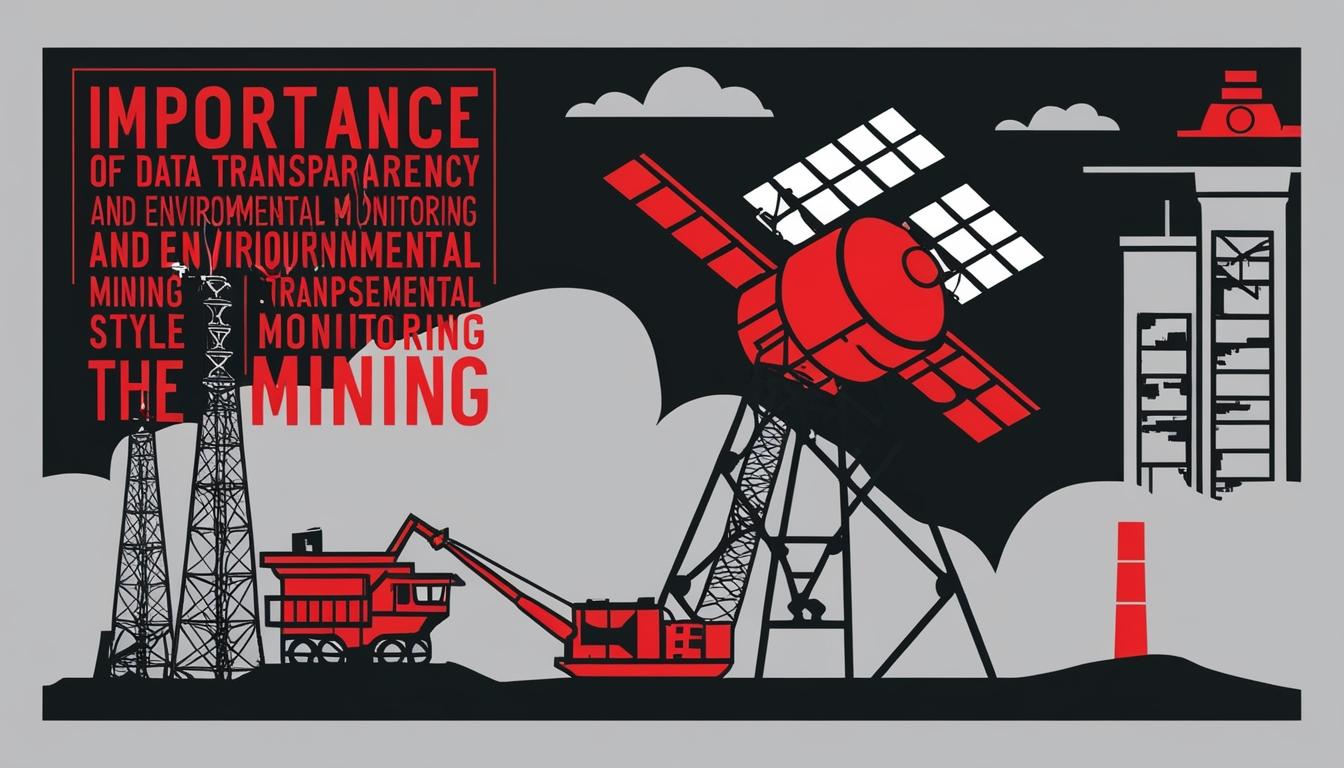
A new initiative, MINE-THE-GAP, has been launched to address the significant information deficits in mining operations, particularly within the European Union. This project, spearheaded by Victor Maus, who is part of the Novel Data Ecosystems for Sustainability Research Group at the IIASA Advancing Systems Analysis Program, aims to enhance the availability of crucial data concerning mine locations, waste generation, and extracted minerals. These details are often incomplete or outdated, which poses challenges for sustainable development and effective environmental monitoring.
MINE-THE-GAP is one of the projects awarded funding through the European Research Council Consolidator Grant, which supports outstanding scientists in establishing independent research teams and exploring innovative scientific concepts. This funding is allocated as part of the EU's Horizon Europe Programme.
"The MINE-THE-GAP project was inspired by the surprising lack of detailed spatial information about mining operations worldwide," Maus stated, underscoring the project's motivation to rectify a critical gap in knowledge that hinders a comprehensive understanding of the mining industry's environmental impacts. The lack of data complicates efforts to assess decarbonisation strategies and inform relevant policy and decision-making processes, according to Maus.
Utilising high-precision satellite data combined with advanced artificial intelligence models, MINE-THE-GAP aims to provide robust tools for thorough monitoring and enhanced transparency regarding mining activities. The project is set to deliver mine-level indicators that include timely and relevant information on land use, waste production, and mineral extraction, contributing to consistent global data standards.
"Detailed mapping of mining activities is vital for understanding their environmental impacts," Maus remarked, citing the alignment of the project with global sustainability objectives. The integration of methods and data from MINE-THE-GAP is expected to play a pivotal role in combatting climate change, safeguarding ecosystems, and upholding ethical sourcing practices.
The outcomes produced by this initiative are positioned to support the enforcement of European supply chain transparency laws and contribute to advancing the United Nations Sustainable Development Goals. As the mining industry expands rapidly, MINE-THE-GAP's findings will provide crucial data analysis for monitoring the anticipated growth within this sector, allowing for better assessment of potential environmental impacts and related risks.
"Knowing where and how mining impacts occur helps us hold stakeholders accountable and promotes informed decision-making at all levels," Maus concluded, highlighting the project's significant implications for improving governance in the mining industry.
Hosted by the Vienna University of Economics and Business, MINE-THE-GAP will collaborate with an international array of researchers to ensure its findings have a global reach and impact, addressing what has become a pressing issue in sustainable resource management.
Source: Noah Wire Services