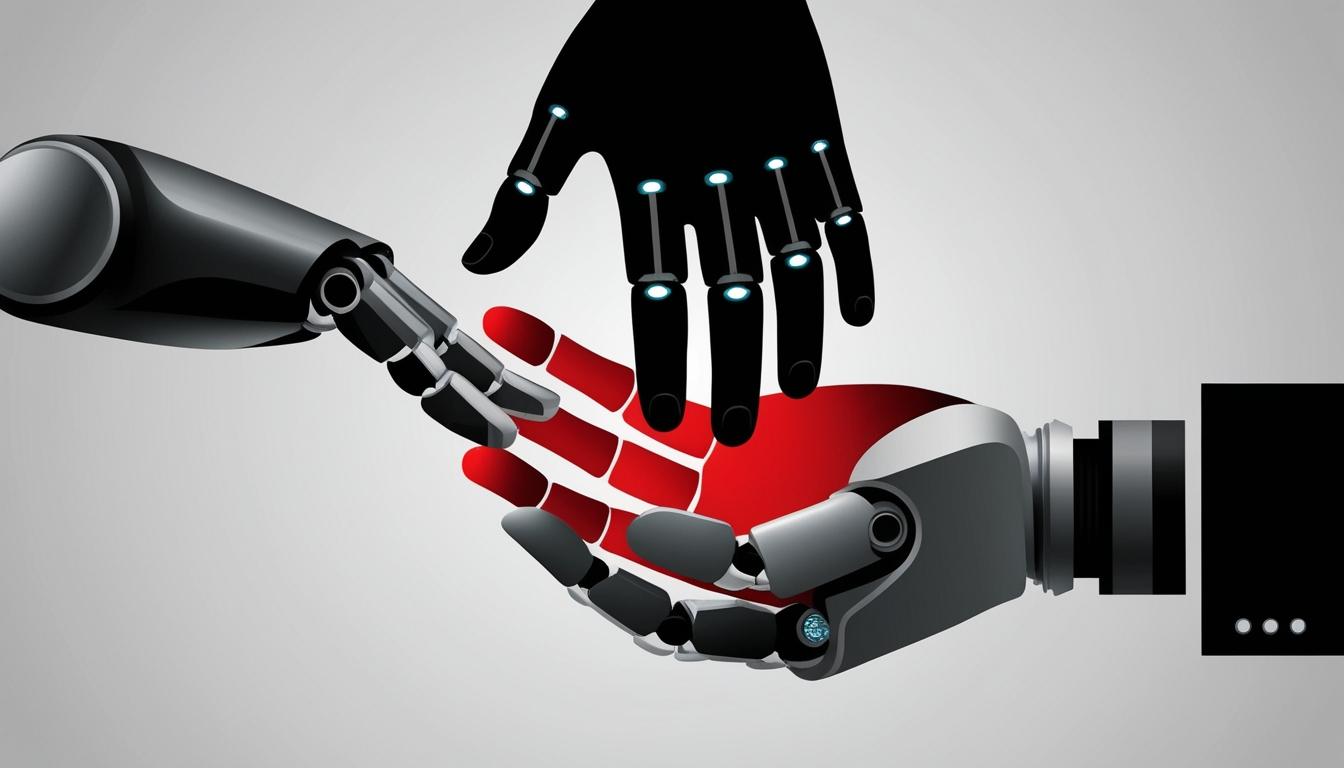
As artificial intelligence (AI) integrates more deeply into customer service interactions, businesses face the challenge of maintaining a human touch in an increasingly automated world. Gaurav Passi, the founder and CEO of Zingly.ai, offers a pragmatic approach, advocating for a strategic partnership between machines and humans to enhance the customer experience.
Passi articulates that while it is commonly believed that AI is suited for handling basic tasks, and humans are assigned more complex issues, the reality is far more nuanced. “Most people assume AI handles the simple stuff, while humans take on complex issues,” he said, speaking to Customer Experience Magazine. “But reality is rarely that clean-cut.” This insight suggests that customer service demands a more sophisticated alignment of technology and human empathy.
He emphasises that customer needs cannot always be tidily categorised. For instance, tech-savvy customers may encounter challenges with unfamiliar banking processes, and AI systems may struggle to detect the emotional nuances in customer requests. As a solution, Passi proposes a dynamic, hybrid approach where AI is capable of efficiently handling repetitive inquiries and directing users towards solutions, while humans are called in to manage more complex or emotionally sensitive situations.
A critical obstacle identified by Passi is the emerging phenomenon termed ‘fear of reaching out’ (FORO), which refers to customers' reluctance to engage with technology-based support, often due to concerns about frustration and miscommunication. Addressing this requires organisations to establish supportive and engaging interaction channels. Options should range from chatbots and self-service portals to live calls and video support, ensuring that customers who prefer human assistance are accommodated, while still providing swift resolutions for those comfortable with automation.
Passi highlights the importance of seamless experiences that avoid repetitive tasks for customers. “Customers shouldn’t have to repeat themselves or dig through old emails for details,” he remarked. He advocates for centralised interaction histories and AI-powered insights to streamline transitions between different support systems, facilitating a more cohesive interaction experience.
Particular industries, such as banking and insurance, face unique challenges in integrating AI due to the critical nature of the services they provide. Trust is paramount, and customers expect expert guidance in making essential decisions. Thus, it is likely that the adoption of AI will start behind the scenes, enhancing human agents’ ability to assist without overwhelming customers. “AI shouldn’t replace expertise,” Passi explained. “Its role is to simplify tasks like qualifying leads or gathering preliminary details, so human experts can focus on high-value interactions.”
The evolution of AI-human collaboration necessitates adaptability within organisations. By continually analysing data from customer interactions, businesses can optimise their systems and adjust the balance between AI and human intervention. Passi points out metrics such as deflection rates and sentiment analysis as valuable tools for making informed adjustments.
Ultimately, Passi suggests that the measure of success within this transition goes beyond mere efficiency or cost-cutting. “True progress happens when automation supports — not replaces — the empathy and intuition that define exceptional customer experiences,” he stated. This underscores the potential for AI to augment human capabilities rather than serve as a substitute.
In summary, Passi's vision portrays a future where AI and human expertise coexist symbiotically, enabling businesses not only to enhance operational efficiency but also to foster meaningful connections with customers. The shift towards this hybrid approach is indicative of broader trends in AI automation across various business sectors, paving the way for transformative customer experiences that prioritise both innovation and empathy.
Source: Noah Wire Services