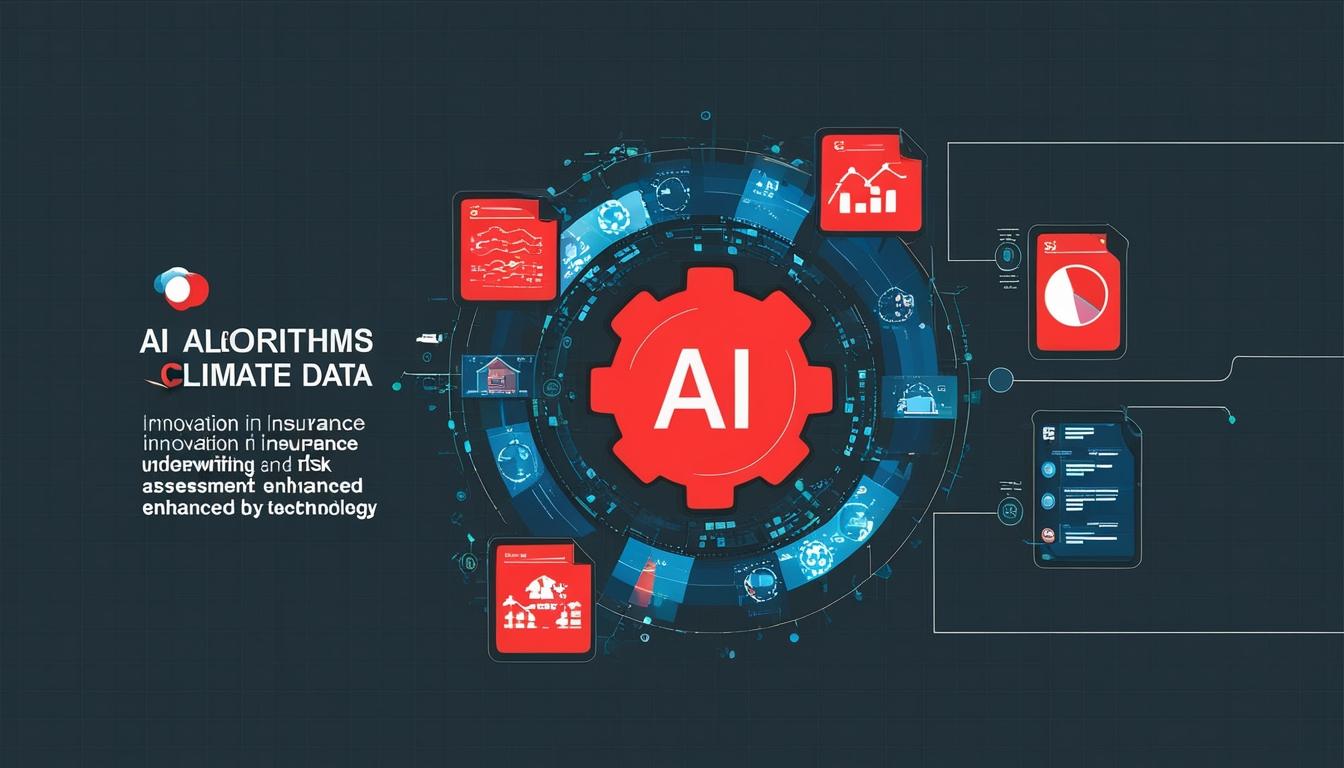
Recent discussions at the 2024 Insurance Coverage and Practice Symposium hosted by DRI have revealed significant insights into the role of artificial intelligence in the insurance sector. The symposium, which took place throughout the day, featured a recurrent theme centred on the capacity of AI tools to enhance the industry's ability to navigate and manage large volumes of data. This capability is particularly relevant given the current climate, which influences underwriting practices and risk assessments within the industry.
One of the key points raised during the discussions was the growing ability of insurers to understand and analyse vast amounts of data to better interpret specific risks, particularly those associated with climate change. The implications of this trend are far-reaching, as the use of AI in underwriting is allowing homeowners insurers to calibrate premiums based on precise regional risks linked to climate-related events. This represents a shift from traditional methods of spreading risk and premium increases uniformly across broader geographic areas, enabling a more nuanced approach to risk management.
In this context, a piece published in The Guardian highlighted a consistent correlation between rising homeowners' premiums in various regions of the United States and the corresponding increases in climate-related risks in those areas. Although it is not explicitly stated that AI is the driving force behind this price adjustment, the growing sophistication of underwriting facilitated by AI is likely a significant factor influencing these trends.
As the insurance industry increasingly adopts AI technologies, the focus expands toward refining risk evaluation methods, ultimately leading to a better understanding of localised vulnerabilities. This evolution also raises questions regarding the potential for misuse of data and the risks associated with optimised underwriting practices, particularly concerning bad faith claims. The ongoing discourse at the symposium illustrates the importance of harnessing AI responsibly to safeguard against such potential pitfalls while effectively responding to the challenges posed by a changing climate.
As these discussions progress, the intersection of emerging AI technologies and traditional insurance practices will likely continue to shape not only premium structures but also the broader landscape of risk management within the industry.
Source: Noah Wire Services