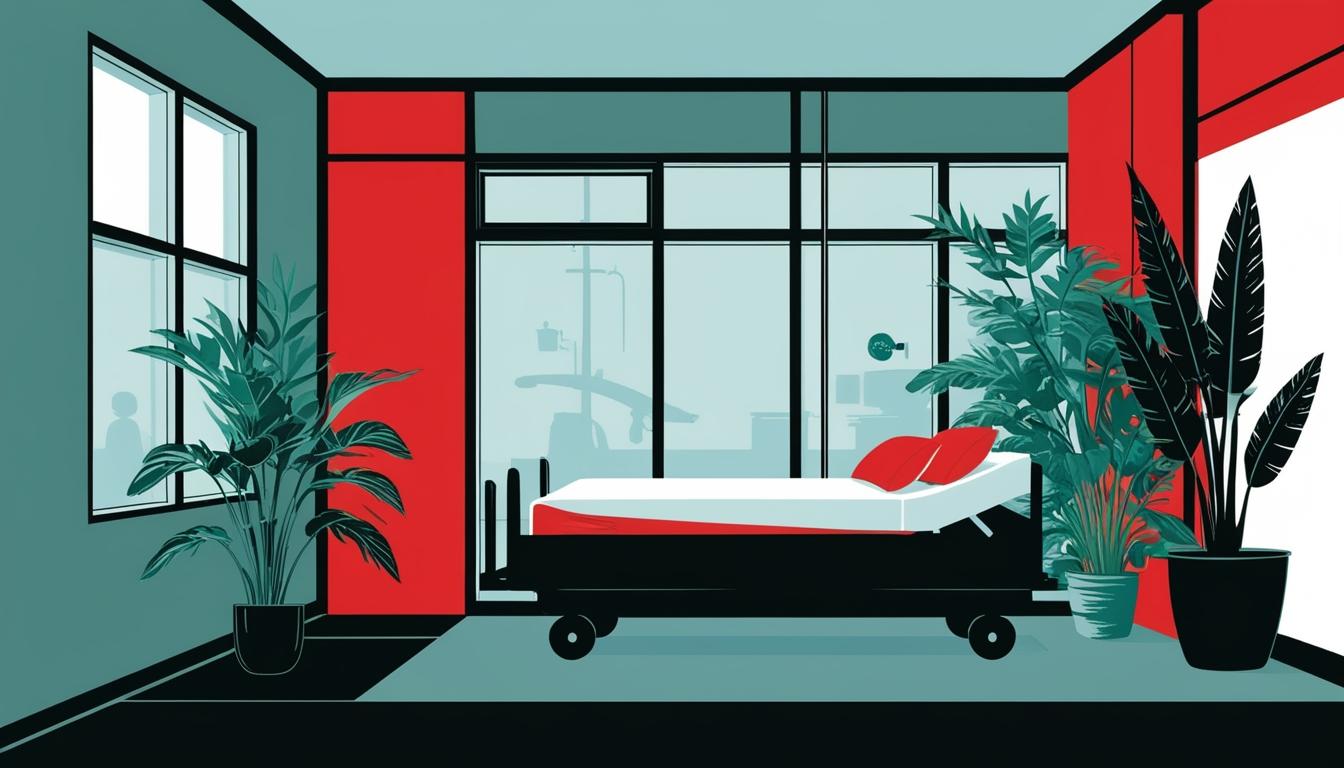
The integration of wellness-focused design in hospital environments is increasingly gaining traction as healthcare leaders explore strategies to enhance the overall health and recovery of patients, staff, and caregivers. Research indicates that a person's immediate environment plays a critical role in influencing health outcomes. This notion has prompted organisations like The International WELL Building Institute to develop the WELL Building Standard, which outlines how environmental factors can significantly impact bodily functions.
Speaking to FacilitiesNet, Bryan Ruby, a Senior Architect with BHDP Architecture, emphasised the adverse effects on the cardiovascular and nervous systems associated with stress, unhealthy diets, and environmental pollutants. Ruby pointed to research from The International Journal of Environmental Research and Public Health, which highlights the benefits of biophilic design—incorporating elements such as plants, natural light, and soothing soundscapes. Such designs have been shown to alleviate chronic pain and depressive symptoms, creating a more conducive atmosphere for healing.
The importance of sleep in physical health is emphasised in Ruby's discussion, where he cites a study from Frontiers in Pharmacology that examines circadian rhythm influences. He suggests modifications such as dimmable lighting and the use of “zero blue” bulbs to simulate natural light cycles, crucial in medical settings. Furthermore, access to nutritious food and opportunities for safe exercise within hospitals can significantly enhance sleep quality, thereby fostering quicker recovery.
Employee well-being has emerged as another focal point in hospital design, with morale and job satisfaction directly correlating with the patient experience. According to a National Institute of Health study referenced by Ruby, healthcare professionals often face high levels of stress and burnout, which may lead to medical errors and higher patient mortality rates. Thus, hospitals are encouraged to create comfortable workspaces that minimise physical strain and enhance job satisfaction. For instance, efficient layouts and private areas receiving ample natural light have been associated with reduced burnout rates.
Moreover, caregiver support is vital in hospital design. Ruby notes that the complexity often inherent in hospital layouts can contribute to confusion, especially during emotionally taxing situations. Simplifying building designs and implementing clear signage can assist both caregivers and patients in navigating hospital environments more easily, consequently reducing stress levels.
Despite the benefits of wellness-oriented designs, hospital leaders face notable challenges related to budget constraints and regulatory compliance. Many facilities operate with slim profit margins, making it necessary to prioritise investments that promise solid returns. However, the potential for improved outcomes through enhanced environments can outweigh immediate expenses, as highlighted by Ruby. Improved design choices can lead to higher staff productivity, reduced patient readmission rates, and enhanced scores in consumer assessments like CAHPS, fostering greater community loyalty.
Looking ahead, advancements in technology such as artificial intelligence, automation, and robotics are projected to redefine administrative processes in healthcare facilities, from streamlining patient check-ins to assisting in diagnostics and surgeries. While these technologies promise greater efficiency, Ruby underscores the need to maintain human connections, ensuring that all participants in the healthcare system—patients, staff, and caregivers—feel secure and valued. Ultimately, the successful implementation of wellness-focused designs in hospitals stands to enhance overall community health and yield significant organisational benefits, according to Ruby's insights in FacilitiesNet.
Source: Noah Wire Services