In recent developments within the artificial intelligence sector, significant moves are being made that reflect both upcoming trends and the expansive future of AI integration in business operations.
Sam Altman, the CEO of OpenAI—creators of the widely-discussed conversational AI model, ChatGPT—has expressed optimism about collaborating with the incoming Trump administration. Speaking on the matter, Altman stated that he believes the administration will play a crucial role in establishing the United States as a leader in AI infrastructure. His enthusiasm signals a potential shift in how government partnerships can foster innovation in the burgeoning tech sector.
In Louisiana, Governor Jeff Landry has lauded Meta's decision to invest $10 billion in building a new AI data centre. Landry described this move as the "largest private capital announcement" for the state, showcasing the growing importance of AI technologies in attracting significant investment and boosting local economies. This development underscores how states are positioning themselves to become hubs for technological advancements.
Furthermore, the owner of the Los Angeles Times, Dr. Patrick Soon-Shiong, has announced plans to introduce an innovating AI-powered 'bias meter' designed to evaluate the fairness of stories and columns. This feature aims to enhance journalistic integrity by providing readers with insights into potential biases in reporting, illustrating the potential for AI to evolve traditional practices in media and journalism.
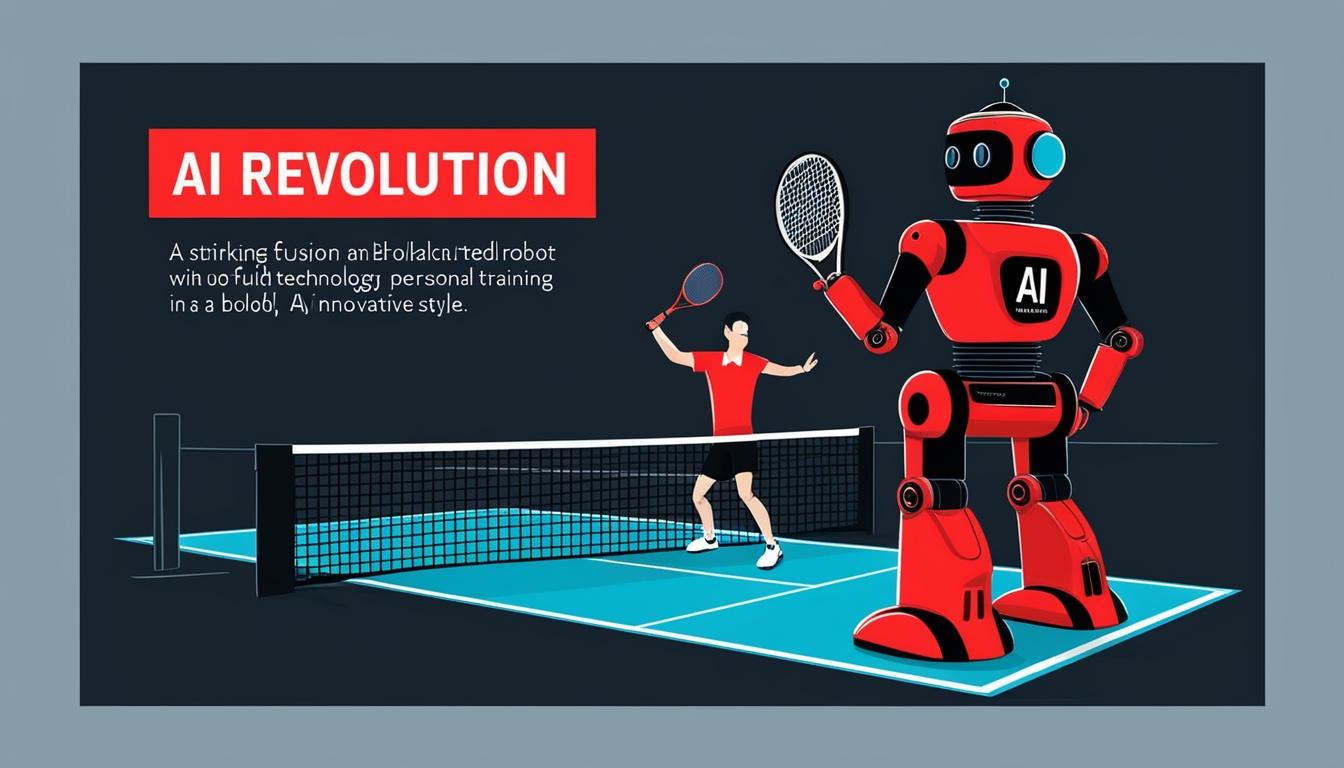
Additionally, the realms of sports and leisure are also witnessing AI integration. A new tennis training device called PongBot, which utilises advanced artificial intelligence, has been developed to serve as a personal coaching assistant. This ground-breaking AI-powered robot is designed to provide consistent, adaptive training, representing a notable intersection of technology with personal athletic development.
These advances reflect a broader trend where businesses across various sectors are increasingly leaning towards AI automation to enhance operational efficiency, improve customer engagement, and ensure competitiveness in an evolving marketplace. As industry leaders and policymakers navigate these transitions, the implications for the future are profound, potentially reshaping working practices and economic landscapes globally.
Overall, these developments highlight a transformative shift towards embracing AI technologies in business and governance, marking a significant evolution in how society utilises artificial intelligence for diverse applications.
Source: Noah Wire Services