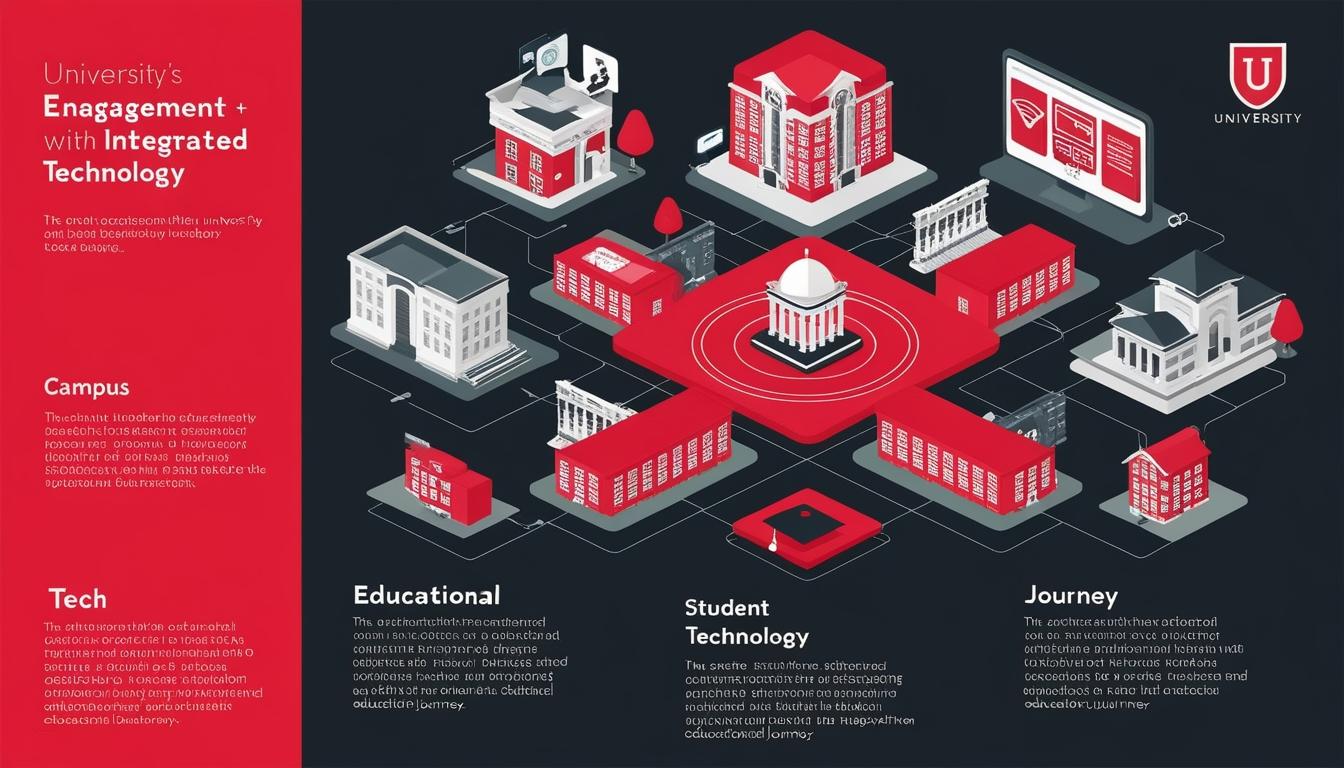
Higher education institutions are increasingly focusing on enhancing the student journey, with a significant emphasis on leveraging data and technology to achieve this objective. As highlighted by EdTech Magazine, the pathways young adults navigate in their consumer experiences are remarkably similar to those they undergo in their educational journeys. The stages of awareness, consideration, purchasing, and establishing brand loyalty are all integral steps in a student’s experience within higher education.
To effectively market their institutions to prospective students, universities are tasked with promoting the experiences students can expect upon arrival. The initial step in this process is encouraging potential students to visit the campus, which is significantly bolstered by technology. This encompasses not just the data analysis required for targeted marketing efforts but also the technical aspects of producing and distributing marketing materials designed to attract students.
Once students arrive on campus, the first impressions they form can be crucial, heavily influenced by the technological landscape of the institution. Modern learning environments, high-tech collaborative spaces, comprehensive Wi-Fi coverage, and innovative programmes that utilise technology play a crucial role in shaping students' perceptions. Institutions must continuously maintain and enhance these attributes to ensure ongoing engagement and support students on their path to graduation.
The student journey, however, does not conclude at graduation. Technology also serves as a key component in maintaining connections with alumni, encouraging them to contribute financially or in other ways back to the university. Establishing robust alumni engagement strategies can create a more stable revenue stream for the institutions, relying on consistent communication to foster goodwill and investment in the university community.
Nevertheless, the successes in achieving these technological advancements hinge on having an engaged and skilled IT workforce. Higher education institutions are often constrained by limited budgets and thus require their IT teams to manage increasingly complex technological environments with diminishing resources. The professional development of IT staff is essential for enhancing job satisfaction, which in turn fuels their dedication to the institution’s mission.
Success in this domain calls for the dismantling of departmental silos and fostering collaborations across different functional areas within the university. This interdisciplinary approach is crucial for gaining the necessary support to advance innovative technology initiatives.
Additionally, engaging third-party support for technology projects can navigate some of the obstacles institutions face. Companies like CDW offer expertise that spans the technological spectrum, helping educational establishments of various sizes and budgets optimise their environments in a manner that enhances the overall student experience.
As the model for higher education gradually evolves, institutions can leverage existing partnerships within the technology sector to tailor solutions to meet their specific needs. Areas of focus include staffing, student success, cybersecurity, and networking, with experts equipped to address the distinct challenges faced by higher education systems in their continuous pursuit of improved enrolment and retention outcomes. This comprehensive service promises alignment with the evolving landscape of higher education, ensuring institutions can effectively meet their strategic goals.
This narrative forms part of EdTech: Focus on Higher Education’s UniversITy blog series, which explores trends and challenges in the educational technology landscape.
Source: Noah Wire Services