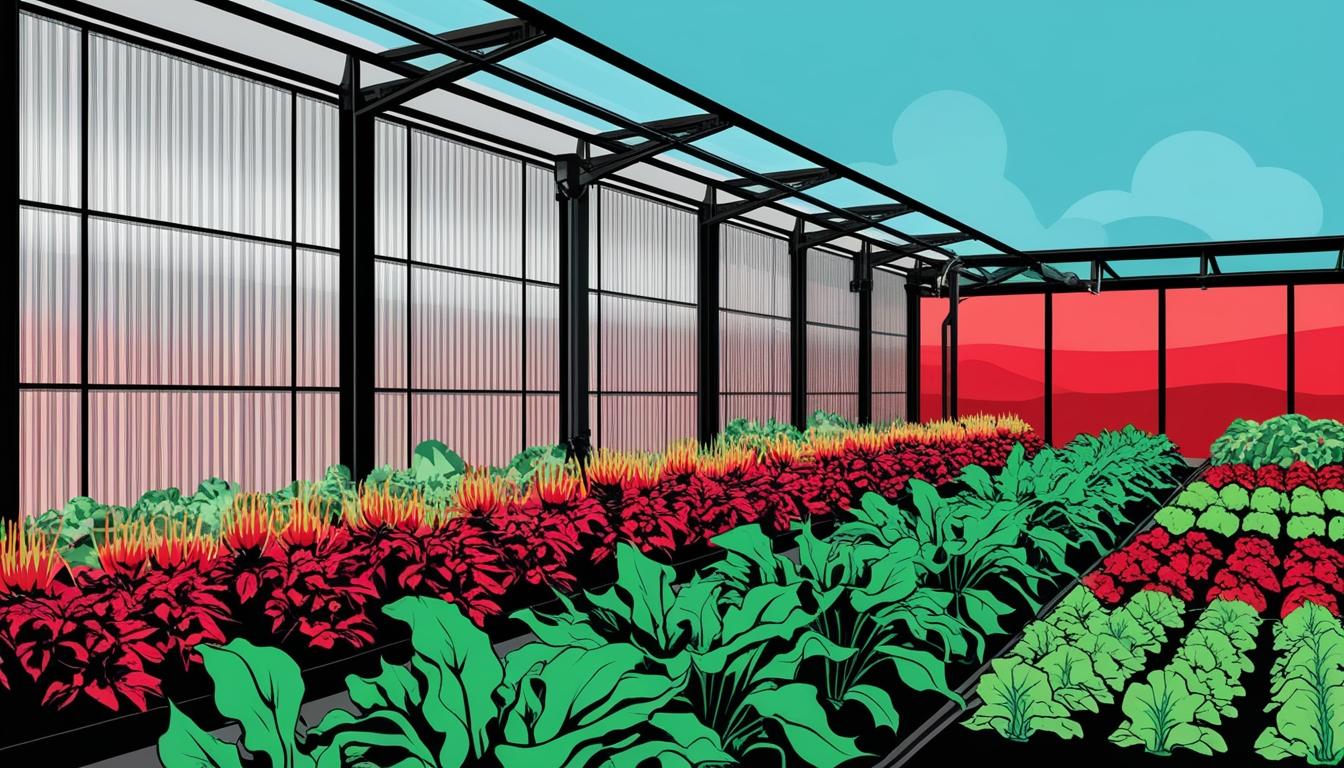
Greenhouse operations across the globe face significant challenges during winter months, requiring growers to maintain warm and humid-controlled environments for crops such as vegetables, flowers, and potted plants. This task has historically been complicated by traditional practices that often lead to substantial heat loss, resulting in increased heating costs. As energy prices continue to rise, growers are increasingly looking for effective solutions to mitigate the impact of these seasonal challenges.
One long-standing practice involves ventilating greenhouses to manage humidity levels, which inherently causes warm air to escape. While this method helps prevent diseases like mildew, it invariably leads to higher heating expenses and can compromise the stability of the indoor climate needed for plant growth.
In response to these issues, modern greenhouse technologies are emerging to assist in maintaining optimal growing conditions with reduced energy consumption. Among the most effective innovations are the use of thermal insulation screens, frequently referred to as energy screens, and advanced active dehumidification systems.
Thermal screens function by creating an insulating barrier that decreases heat loss. Growers are now utilising multiple layers of these screens to improve insulation further. However, the reduced airflow that accompanies the installation of screens can lead to humidity buildup, making dehumidification a critical component of the growing environment.
Active dehumidification systems enable growers to maintain humidity levels without the need for ventilation, thereby preserving heat within the greenhouse. This technology actively extracts moisture from the air, fostering a stable climate conducive to crop growth while simultaneously minimising the risk of humidity-induced diseases.
Martijn van Geel, who operates a 25-acre greenhouse in the Netherlands, has observed substantial benefits from these methods. Speaking to Greenhouse News, Van Geel highlighted the improvements he has experienced, stating, "By combining dehumidification with additional LED lighting and triple-layer insulation, I have achieved better control over my greenhouse conditions, which has led to reduced energy costs and improved crop quality."
The advantages associated with advanced climate control are manifold. Energy efficiency is notably enhanced as the reliance on ventilation diminishes, thereby reducing the necessity for reheating. Additionally, lower humidity levels achieved through active dehumidification play a crucial role in preventing mildew and fungal outbreaks. The stability of temperature and airflow enables plants to thrive, ultimately resulting in improved produce quality.
Innovative technologies, like the DryGair dehumidifiers, are also helping improve airflow dynamics within greenhouses. This enhancement contributes to creating a more robust climatic environment that can lead to increased yields and superior quality fruits, vegetables, and ornamental plants.
Globally, countries such as the Netherlands are at the forefront of this technological advancement in greenhouse operations. As the pressures of rising energy costs and climate change intensify, growers around the world are adopting these innovative techniques to ensure both sustainability and profitability in their operations.
Together, the integration of thermal screens and active dehumidification systems presents a transformative avenue for greenhouse growers navigating the challenges of winter. The innovations not only reduce energy consumption but also enhance climate control, fostering healthier plants, increased yields, and lower operational costs. As the agricultural sector increasingly embraces these advancements, they signal a progressive movement towards sustainable year-round cultivation practices.
Source: Noah Wire Services