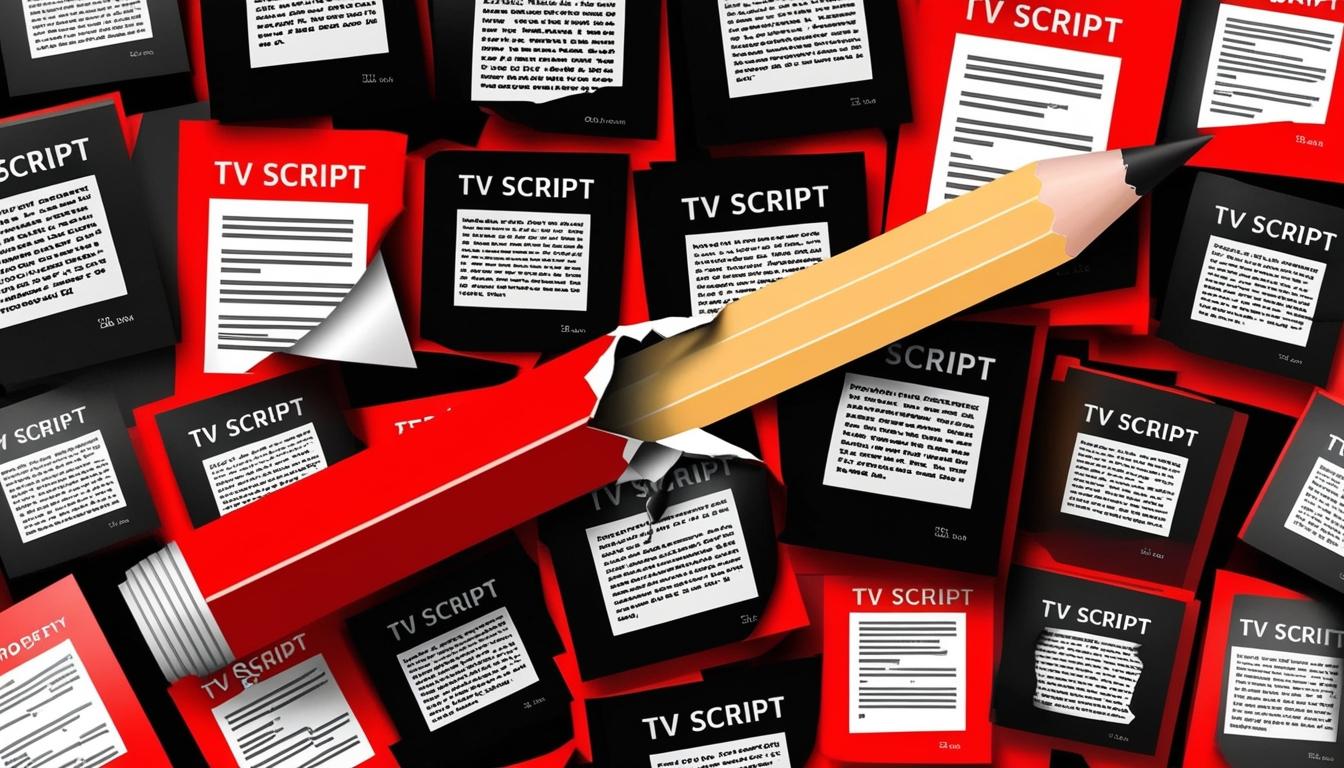
The recent revelation that more than 139,000 TV and film scripts were used to build datasets for training AI models by major tech companies such as Apple, Anthropic, Meta, and Nvidia has sparked significant controversy in the creative community. This practice occurred without the knowledge or consent of the original authors, raising concerns about the implications for intellectual property rights and the future of creative professions in the face of automation.
The dataset in question consists of not only 39,000 film and TV titles but also includes an extensive collection of 53,000 additional movies and 83,000 TV episodes. Prominent works such as Oscar-winning films and iconic shows like The Simpsons, Seinfeld, Twin Peaks, The Wire, The Sopranos, and Breaking Bad were all part of this comprehensive database. As detailed by The Atlantic's Alex Reisner, the dataset "even includes prewritten ‘live’ dialogue from Golden Globes and Academy Awards broadcasts." However, it is worth noting that the datasets comprised subtitles rather than original scripts, a point that has raised alarms among critics. Subtitles are believed to capture the natural flow of spoken language more effectively than traditional scripts, potentially enabling AI to produce dialogue that could closely resemble or even compete with original works by human writers.
The utilisation of such datasets has prompted legal action as artists, authors, and publishers seek to protect their intellectual property rights. Writers' unions, including the Writers Guild of America (WGA) and SAG-AFTRA, have been vocal in their opposition, particularly as the debate over AI's role in creative industries intensifies. Speaking to eWeek, esteemed TV writer David Slack shared his outrage upon discovering that 42 of his scripts were credited in the AI database, stating, “I’m livid. I’m completely outraged. It’s disgusting.” This sentiment was echoed by other notable creators, such as Shonda Rhimes, with 508 of her episodes included, Ryan Murphy, with 346 episodes, and Matt Groening, whose iconic shows contributed 742 episodes.
The situation raises complex questions about authorship and ownership of creative works in the age of AI. While some argue that AI lacks intention and originality—relying on human-generated content to create outputs—others point to the fact that studios often hold copyrights for these scripts, leaving writers with little recourse or compensation. This intricacy is likely to exacerbate tensions between creative professionals and the tech industry, as generative AI technology continues to evolve and reshape traditional business practices in entertainment and beyond.
As the landscape of AI automation in business continues to change, industry observers are monitoring the situation closely, particularly regarding its impact on the future of creativity, economic models, and the legal frameworks that govern intellectual property.
Source: Noah Wire Services