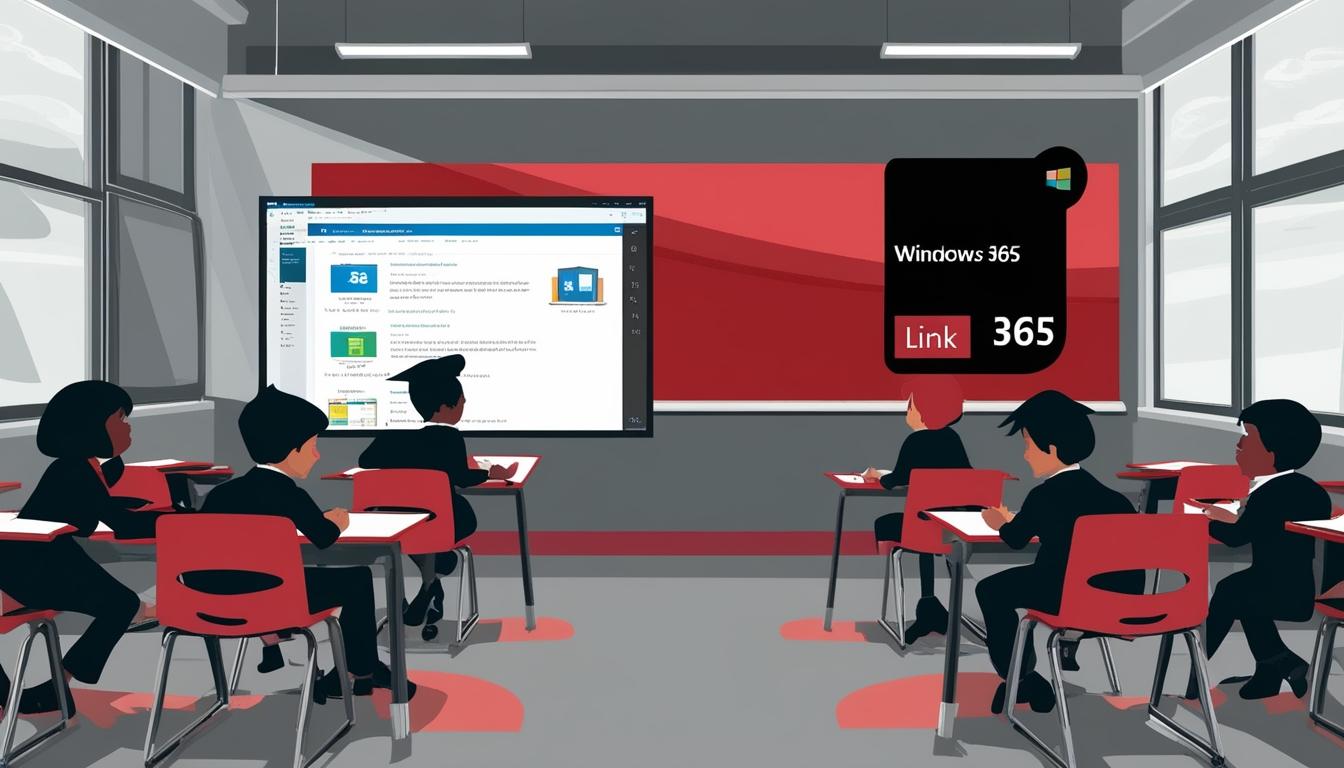
At this year's Ignite conference, Microsoft unveiled the Windows 365 Link, promising to revolutionise computing in educational institutions. Presented as an innovative solution for classrooms and presentation areas across campuses, the Link is positioned to streamline computing and enhance cost-effectiveness for colleges.
Traditionally, equipping classrooms with desktop computers incurs significant costs related to hardware procurement and maintenance. A standard desktop PC is estimated to cost around £1,000, while the Link device is projected to retail at a more economical price of £350. This substantial difference opens the door for institutions to rethink their technology investment strategies.
The Link functions as a gateway to the user's personalised cloud environment, allowing educators to gain instant access to their Windows 365 desktop. By employing biometric authentication, faculty members can simply walk into a room, authenticate themselves, and seamlessly transition into their teaching environment. This advancement effectively eliminates the time that instructors often lose while logging into shared computers and configuring necessary applications before classes begin. According to experts, this typically minor setback can add up; multiplied across numerous classes, it results in several hours of lost instructional time over a semester.
As reported by Ravepubs, the details surrounding the Link device underscore its practicality. Educators can prepare their classes in advance, walk to the classroom, and be ready to teach in mere seconds. This system not only enhances time management but also alleviates the stress related to technical setups, enabling teachers to concentrate solely on their lectures.
From an IT perspective, the Link reduces administrative burdens significantly. With traditional systems, IT teams are required to manage updates and troubleshoot machines on a per-room basis. The Link alleviates these responsibilities, as all user environments are centrally managed within Windows 365. Furthermore, with no data stored on the device itself, the security of the system is inherently enhanced. However, the adoption of this technology will require institutions to consider the pricing of Windows 365 subscriptions, which may become a factor as institutions attempt to scale their use of the Link across multiple classrooms.
The Link’s adaptability to existing classroom technologies is another benefit; it supports various peripheral inputs including cameras and microphones, facilitating quick and efficient integration into established setups. The design allows educators to effectively use their individual computing environment during lessons without the need to transport personal laptops, which often leads to compatibility issues and setup delays.
While various considerations may influence the decision to implement the Windows 365 Link—such as the specific needs of different classrooms and the potential variances in customer configurations—its introduction marks a notable shift in the future of cloud computing in education. The emphasis during the Ignite conference on cloud technology indicates Microsoft’s commitment to innovate in this area, enhancing the educational experience for both faculty and students alike.
Source: Noah Wire Services