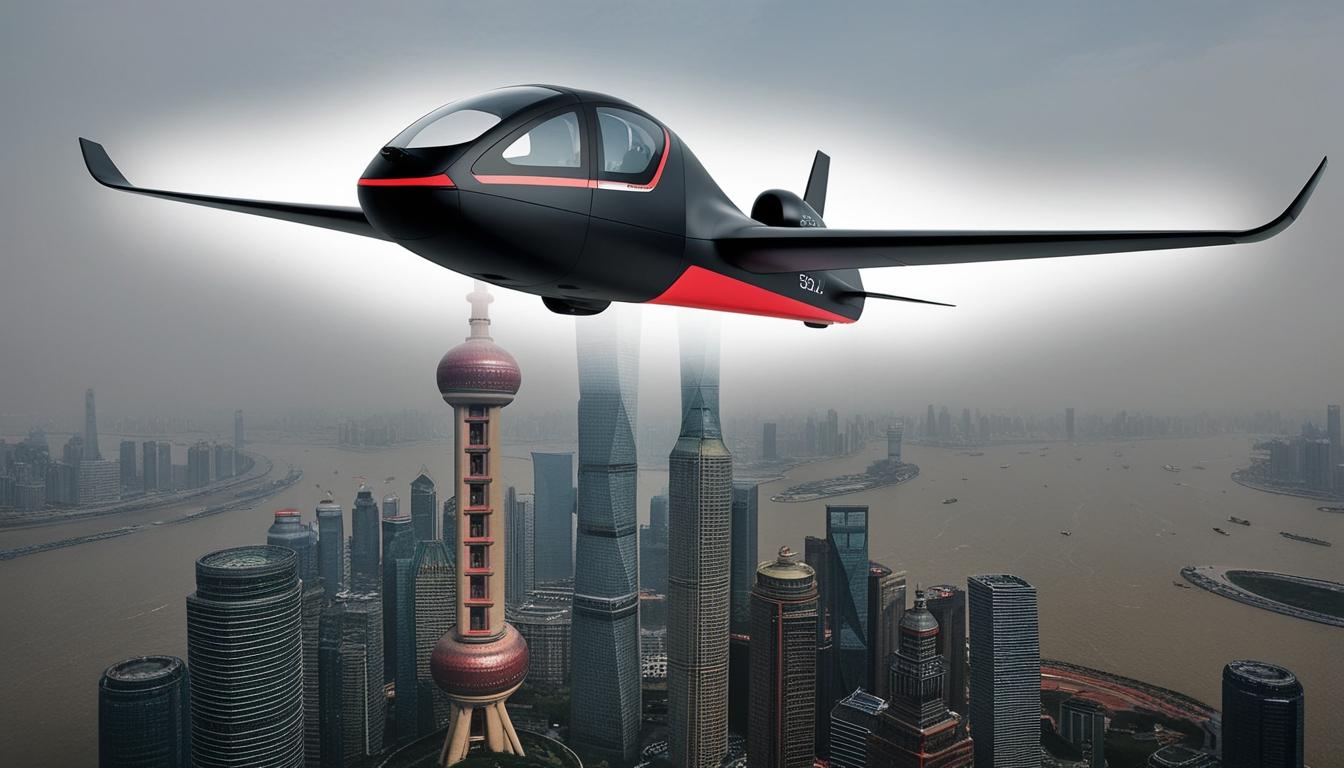
In a significant leap towards the future of transportation, Aeroht, a company associated with Xpeng, has successfully conducted test flights of its innovative electric vertical takeoff and landing (eVTOL) vehicle, named the Land Aircraft Carrier. This vehicle, designed to fit within a specially designed van for easy transport, offers a potentially transformative solution to the escalating problem of urban traffic congestion.
The recent test flight, which showcased the Land Aircraft Carrier soaring over Shanghai’s skyline, took place amidst increasing public interest in aerial transport solutions. Iconic landmarks such as the Oriental Pearl Tower were visible during the flight, bringing the concept of flying cars from the realm of science fiction into reality. Throughout history, the idea of such vehicles has intrigued inventors since the early 20th century, but technological advancements have finally positioned flying cars as a feasible option for future urban mobility.
Aeroht's Land Aircraft Carrier is equipped with six electric rotors and has been designed with the urban commuter in mind, accommodating two passengers comfortably. With the capability to perform multiple short flights on a single charge, the vehicle simplifies the process of urban commuting. Importantly, users only require a standard car license for ground use; however, a pilot’s license is necessary for aerial operations.
The demand for urban air mobility (UAM) is projected to surge, with analysts forecasting that the global UAM market could exceed $1 trillion by 2040. This rapid expansion is largely attributed to intensifying urbanisation and the pressing need for efficient transportation solutions. China is expected to play a pivotal role in this evolution, capitalising on its advancements in technology and substantial investments in smart city initiatives.
Despite the promising outlook, the integration of flying cars into everyday transport faces several challenges. These include navigating complex regulatory frameworks, addressing high manufacturing and operating costs, and ensuring passenger safety amidst dense urban air traffic. As highlighted by experts, while the benefits of flying cars—such as reduced traffic congestion, lower emissions, and advancements in technology—are compelling, the hurdles must be addressed effectively to realise their full potential.
Looking forward, the future of urban mobility is poised for even more innovations, particularly with the emergence of pilotless flying vehicles and enhanced artificial intelligence capabilities. Continued advancements in battery technology will play a crucial role in extending flight ranges and improving efficiency, making flying cars increasingly viable for everyday use. Furthermore, collaborations between aerospace companies and automotive manufacturers are likely to expedite the advancement and deployment of these aerial transport solutions.
The concept of flying cars is transitioning into a practical aspect of urban transportation, thanks to initiatives like Aeroht’s Land Aircraft Carrier. As technological progress persists, it holds the promise to revolutionise how people navigate congested urban landscapes and redefine the definition of mobility in the modern world.
Source: Noah Wire Services