Emerging trends in artificial intelligence (AI) and automation are reshaping the landscape for businesses across various sectors. As organisations increasingly look to integrate AI technologies into their operations, significant developments in both infrastructure and energy consumption are becoming central to their strategies.
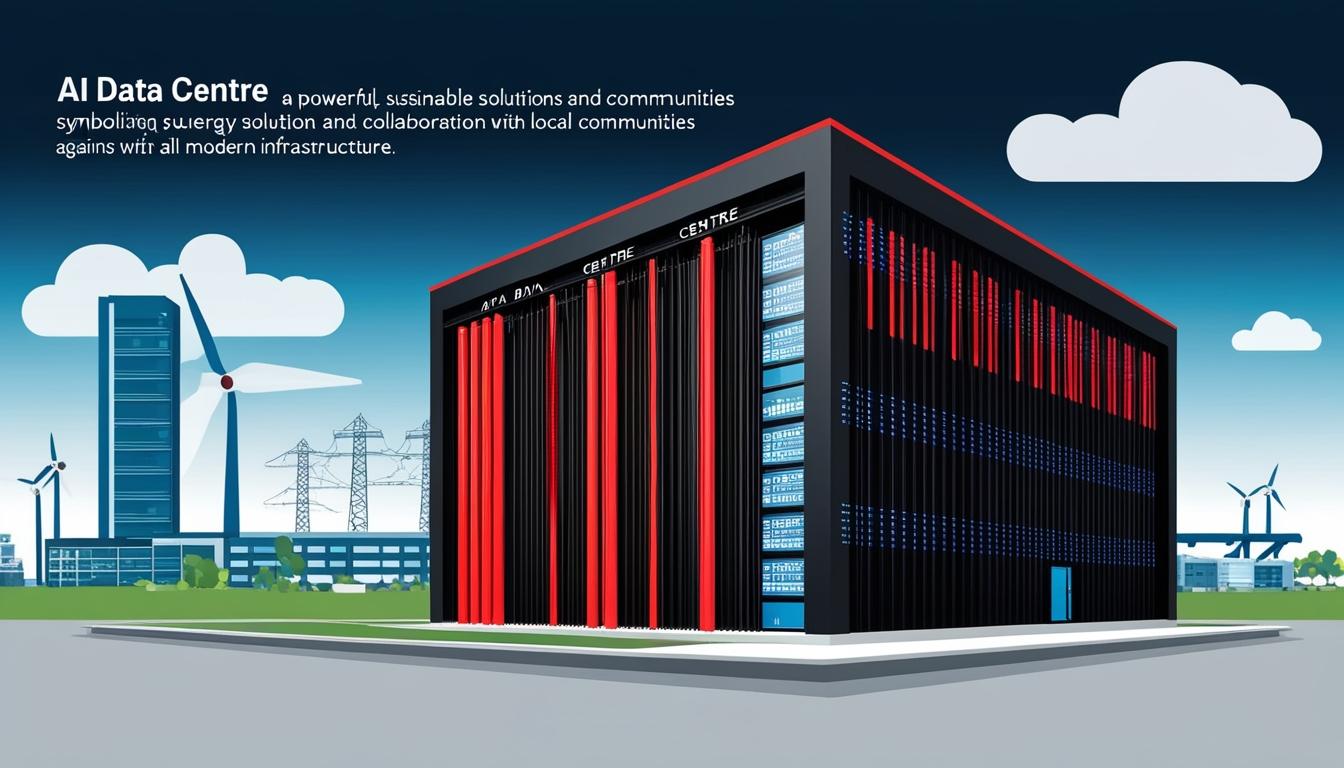
One of the critical considerations for firms venturing into AI automation is the energy consumption of data centres, which has the potential to strain national power grids. Current demands for these facilities range from 75 megawatts (MW) to as much as 2 gigawatts (GW), prompting concern about long-term sustainability. The discussion often revolves around embracing innovative energy solutions such as small modular reactors (SMRs), small fusion technologies, and off-grid systems. However, these advanced technologies come with their own set of considerable costs and feasibility challenges, limiting their immediate applicability.
Michael Liebreich of BloombergNEF emphasised the necessity for a practical approach to energy needs in the context of AI data centres. Speaking about the situation, he noted, "The best way to power AI data centres is in the traditional way, by building the same generating technologies as are proving most cost effective for other users." He further pointed out the importance of connecting to a robust and resilient grid and emphasised collaboration with local communities as vital for success in this area.
As organisations optimise AI integration, reliance on existing energy infrastructure, particularly natural gas, hybrid renewables, and energy storage systems, is likely to become more prominent. This method not only reduces cost but also aligns with the growing need for sustainable practices in business operations. Close collaboration with utility providers will be essential for companies to effectively navigate these complex energy landscapes.
In summary, as AI continues to evolve within businesses, the focus on energy efficiency, cost management, and community engagement will be paramount. The future of AI automation will not only hinge on technological advancement but also on building sustainable practices that consider the broader implications for energy consumption and local infrastructure.
Source: Noah Wire Services