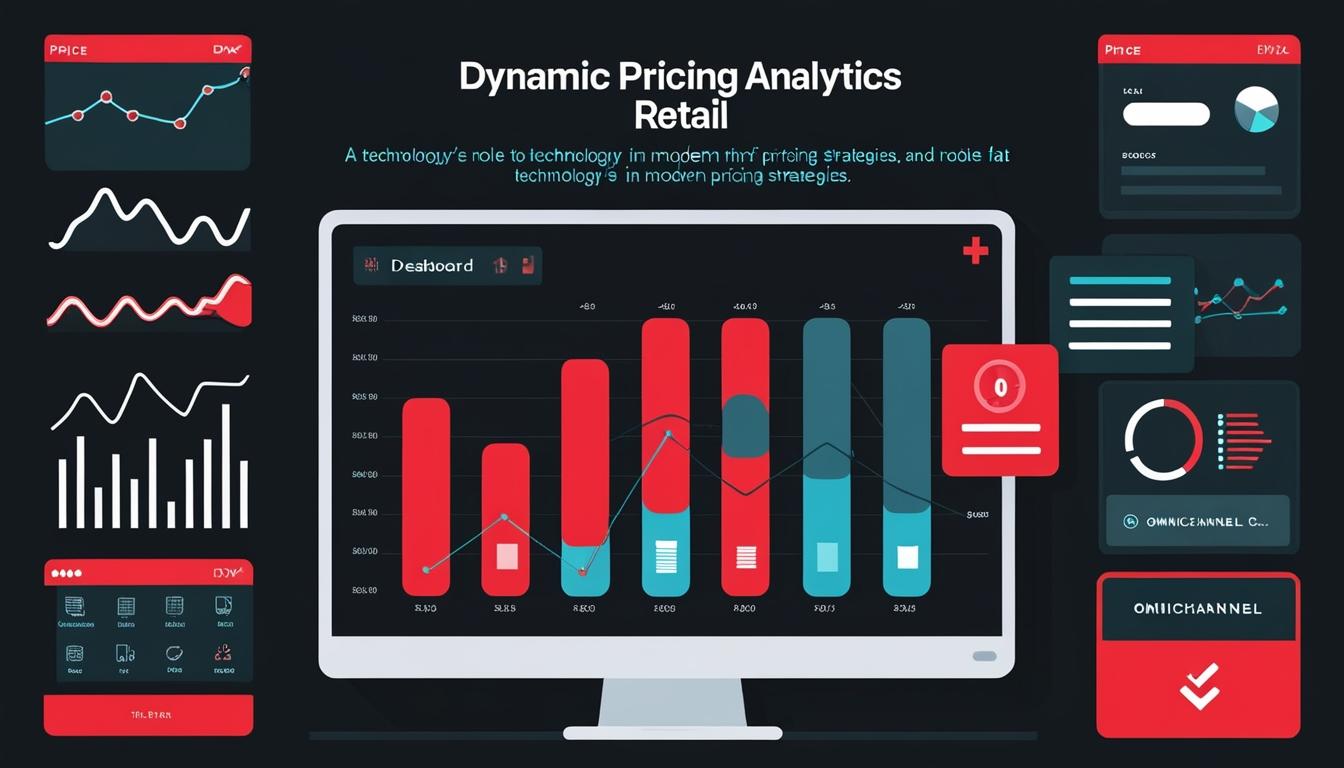
In the rapidly changing landscape of modern retail, businesses are increasingly challenged by the demands of omnichannel retailing, necessitating a robust pricing strategy that can adapt to shifting consumer preferences. As reported by AutoGPT, the rise of omnichannel interactions has not only reshaped how consumers engage with brands but also placed significant pressure on retailers to maintain transparent pricing models that attract and retain customers.
Central to this evolving retail environment is the concept of price intelligence. This strategic approach encompasses tracking competitors' prices and general price movements, thereby facilitating informed decision-making. Businesses are leveraging advanced analytics tools to gain insights into their pricing position within the industry, which is critical for understanding consumer behaviour and identifying future pricing trends. As highlighted by the publication, the implementation of effective price monitoring and control strategies enables businesses to align their prices competitively while protecting their profit margins.
Furthermore, with consumers shopping across multiple platforms, the demand for consistent pricing has become paramount. Retailers must ensure uniform price offerings, whether customers are shopping online, in-store, or through mobile applications. Any discrepancies in pricing can lead to consumer confusion and dissatisfaction. The publication notes that by diligently monitoring pricing across various channels, businesses can eliminate misunderstandings and foster a sense of loyalty among their customers.
As organisations recognise the importance of real-time pricing data, they are enhancing their strategic decision-making capabilities. The trend towards dynamic pricing strategies enables businesses to adjust their prices based on current market conditions rather than solely relying on historical data. Such flexibility allows companies to respond swiftly to changes in supply and demand and adapt their strategies to stay aligned with profit maximisation and customer satisfaction objectives.
AutoGPT also highlights the essential role of technology in supporting these pricing efforts. For retailers aiming to thrive in an omnichannel environment, price tracking software has emerged as a vital component. By enabling businesses to monitor both their own and competitors' prices across different channels, this technology facilitates comprehensive competitive analysis and swift market adaptations. Advanced pricing tools equipped with pre-programmed alerts and reports empower retailers to make informed pricing decisions efficiently.
Looking towards the future, the evolution of omnichannel strategies suggests that retailers will increasingly adopt sophisticated price monitoring techniques. These approaches will not only ensure pricing consistency across all platforms but will also enable brands to employ advanced analytics to tailor the shopping experience to individual customer preferences. By doing so, retailers can foster repeat purchases and enhance overall sales volume.
As pricing technologies continue to advance, businesses that invest in these innovations will be better positioned to navigate the complexities of an increasingly competitive marketplace. By prioritising real-time analytics and dynamic pricing strategies, retailers can maintain operational efficiency and customer satisfaction, ensuring they thrive in the multifaceted world of omnichannel retailing.
Source: Noah Wire Services