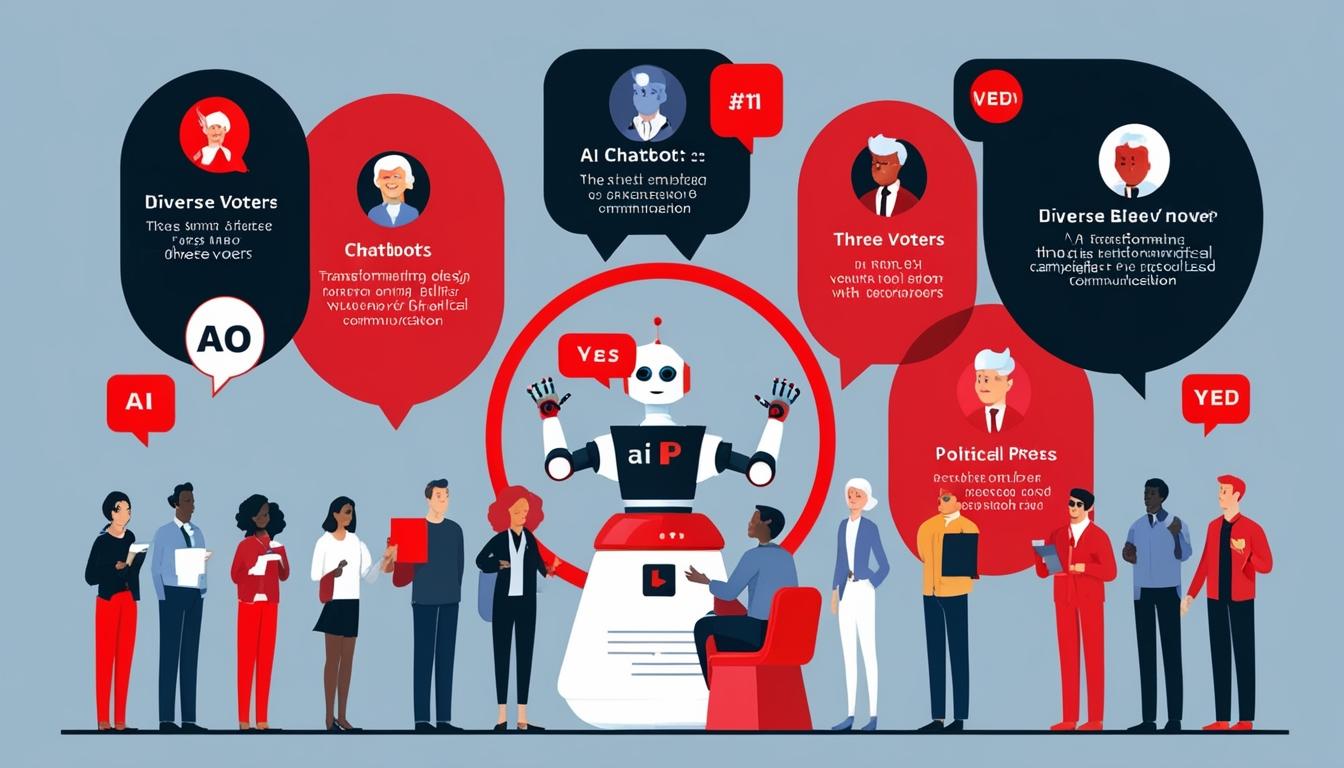
The transformational role of artificial intelligence (AI) in political campaigning has garnered significant attention, driven by its ability to enhance how candidates connect with voters. According to insights from Analytics Insight, AI's advancement in data analysis has equipped political teams with tools to sift through vast quantities of voter data with remarkable accuracy. This capability has enabled a more nuanced understanding of demographics, voting histories, and behavioural trends, facilitating targeted campaigns that address the specific concerns and preferences of individual voters.
A crucial development in this landscape has been the application of natural language processing (NLP), which allows AI systems to generate tailored messages suited for various voter demographics. This not only streamlines communication but also empowers campaigns to engage with voters effectively. Furthermore, the introduction of AI-driven chatbots allows for real-time responses to voters’ inquiries, contributing to a more informed and engaged supporter base.
As a result, the nature of the relationship between voters and candidates has evolved. Campaigns are now more personalised, fostering stronger connections through targeted outreach efforts. This efficiency in communication marks a significant departure from traditional campaigning methods, highlighting a shift towards leveraging advanced technology to enhance voter engagement and improve electoral outcomes.
The ongoing evolution of AI in political contexts points to a future where technological integration continues to shape the dynamics of electoral campaigns and voter relations. As these trends progress, the implications for business practices within the political arena remain of considerable interest.
Source: Noah Wire Services