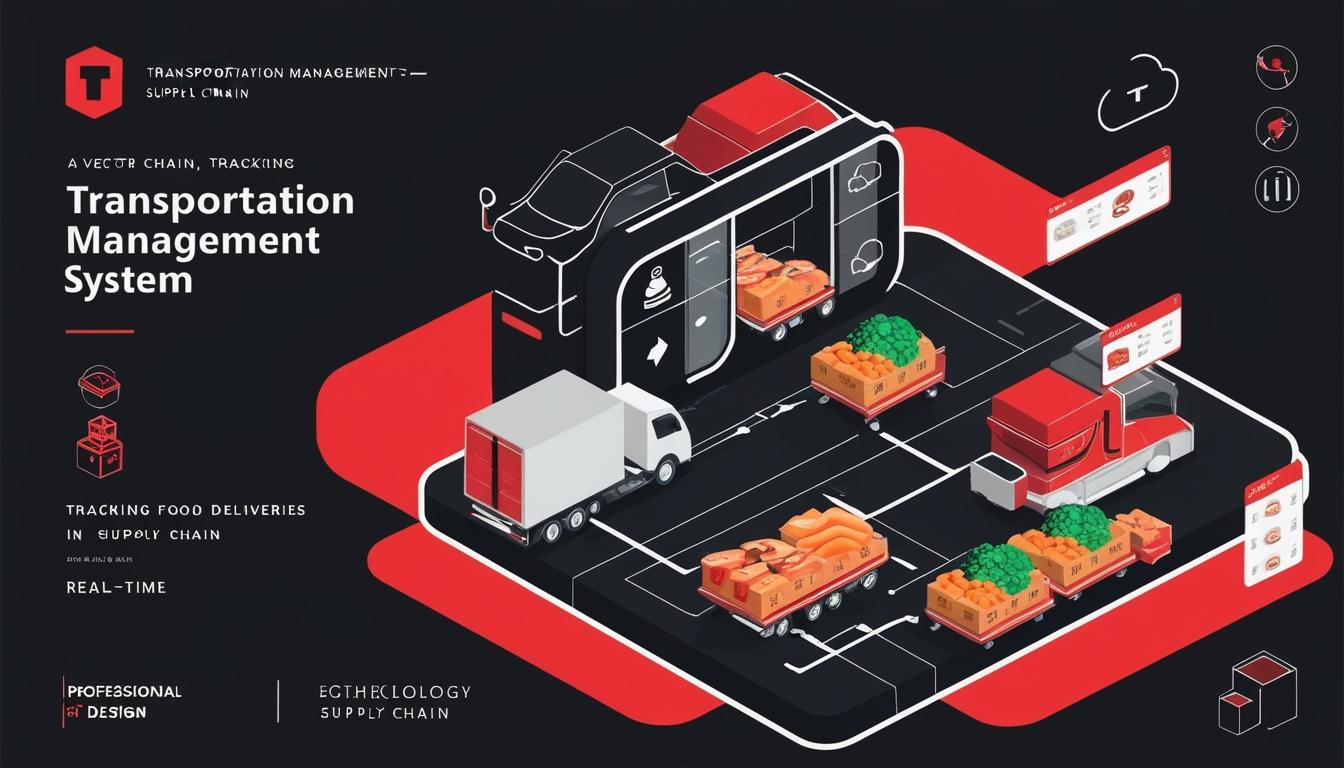
The food supply chain is a complex and vital system that ensures food products move efficiently from farms to consumer plates globally. Comprising multiple stages including production, processing, distribution, and ultimately consumption, the industry is experiencing significant growth, with an annual increase rate of 6.7%. To keep pace with this demand, there is a pressing need to enhance the efficiency and resilience of supply chains.
Transportation management plays a crucial role in the food supply network, encompassing the planning, execution, and monitoring of food product movements. Effective transportation management entails finding the most efficient shipping routes, managing carriers, and tracking shipments to ensure timely delivery. Inefficiencies in this component can disrupt supply chains and delay food deliveries, which underscores the importance of understanding the foundational aspects of transportation management.
The essential facets of transportation management in the food sector are planning, route optimization, tracking, and overall optimization. Effective planning involves accurate demand forecasting, resource allocation, and shipment scheduling. This careful planning is critical for preserving the quality of perishable items and meeting customer needs while reducing waste. Route optimization seeks the most effective paths for deliveries, which in turn lessens transit times and fuel consumption, a particularly pertinent consideration for perishable goods. Advanced technologies like GPS systems facilitate real-time route modifications, further promoting delivery efficiency. Tracking allows stakeholders to monitor shipment statuses in real-time, providing transparency and helping to mitigate potential delays. Finally, optimization melds together the various components, aiming to eliminate operational inefficiencies through data analysis and improved logistics coordination.
Technological advancements are revolutionising the food supply chain, with innovations such as Artificial Intelligence (AI), the Internet of Things (IoT), Transportation Management Systems (TMS), and predictive analytics driving significant change. AI is being employed to automate complex processes, enhancing demand forecasting and delivery scheduling while mitigating disruptions. According to McKinsey, companies implementing AI have reported up to a 15% reduction in operational costs. The IoT, through sensor technology, allows for real-time communication and monitoring of shipping conditions, ensuring that perishable items maintain their quality during transit. This visibility not only cuts lead times but also helps reduce waste by addressing issues as they arise.
Transportation Management Systems play an integral role in the logistical landscape by offering platforms that facilitate better planning and monitoring of goods in transit. These systems enhance real-time visibility, helping logistics managers make informed decisions. Meanwhile, predictive analytics provides businesses with the tools to foresee transportation patterns and proactively address disruptions based on historical and current data trends.
The shift towards advanced transportation management brings several benefits, notably improved efficiency, reduced waste, and heightened food safety. Enhanced systems streamline logistics operations, resulting in better scheduling and delivery coordination, while automation optimises resource usage and reduces delays. According to the World Economic Forum, approximately 14% of global food is wasted within the supply chain; advanced systems are crucial in minimising this wastage. Furthermore, real-time monitoring of environmental conditions ensures that food safety standards are maintained during transit, thus protecting consumer health.
Despite these advancements, challenges remain in transportation management, which can hinder efficiency and reliability. Long lead times caused by poorly optimised routes and extreme weather, along with the lack of proper coordination among diverse stakeholders, add complexity to logistics operations. The U.S. Department of Agriculture reports that 30-40% of food waste in the United States occurs during the supply chain process, indicating a significant area for improvement.
Solutions to these challenges include the engagement of third-party transport service providers who utilise modern TMS technology. These systems employ data-driven algorithms to craft smarter routing plans and maximise load capacities, which not only enhances delivery speed but also reduces fuel costs. Moreover, integrating TMS software with existing Enterprise Resource Planning (ERP) systems can improve communication among suppliers, transporters, and retailers, thereby reducing the risk of handling errors and delivery discrepancies.
Overall, the utilisation of transportation management systems is becoming increasingly vital in navigating the complexities of today’s food supply chains. These modern tools not only help mitigate unexpected delays but also enhance stakeholder communication, thereby paving the way for more effective logistics processes. As challenges within the supply chain continue to evolve, it is evident that investment in these technological solutions is essential for businesses striving to maintain competitiveness in the global market.
Source: Noah Wire Services