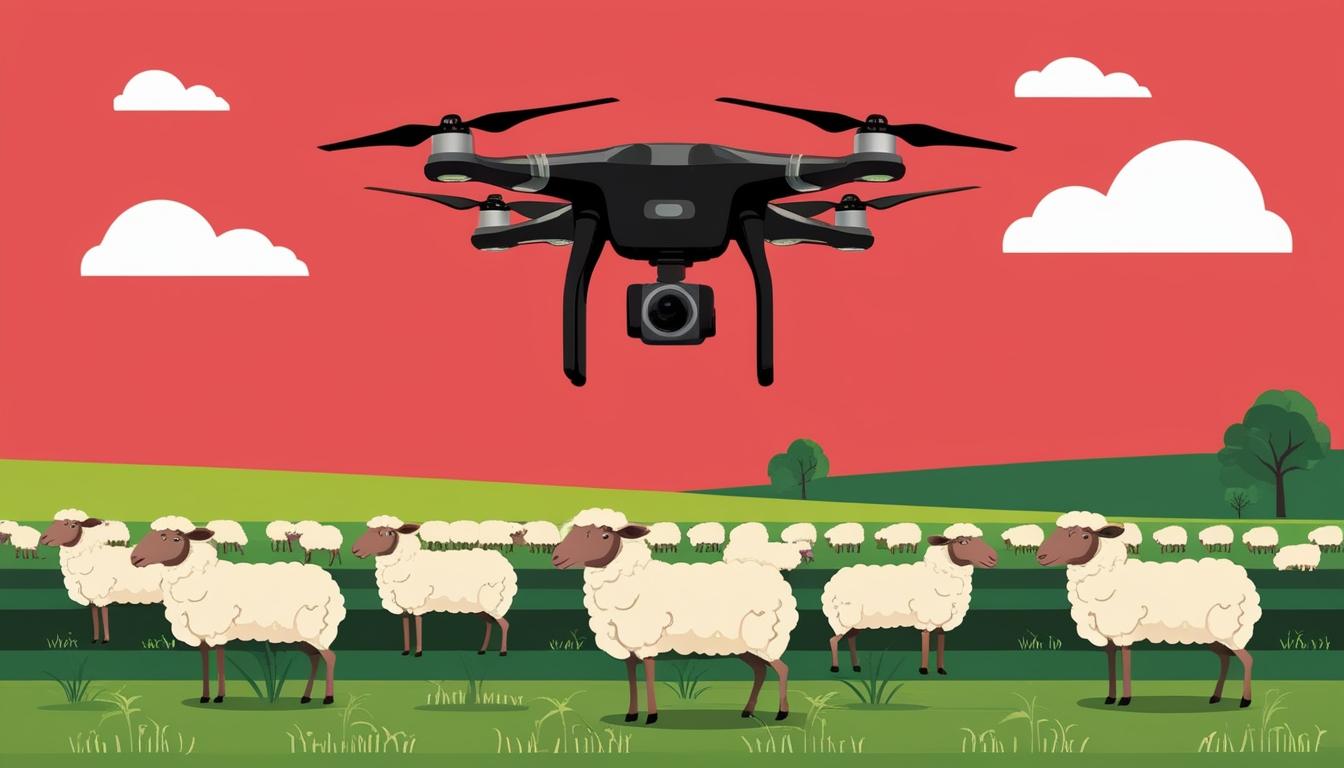
The agriculture and real estate sectors are undergoing substantial transformations, primarily driven by advancements in technology, particularly artificial intelligence (AI), blockchain, and innovations in smart farming. A recent report highlights the emergence of these trends and their potential to redefine industry practices while improving efficiency and sustainability.
In the realm of agriculture, specifically in ovine management, traditional practices are evolving through the integration of smart farming technologies. Wearable devices now play a crucial role, equipped with GPS and biometric sensors that allow farmers to monitor the health and location of their sheep in real time. This technological advancement enables prompt detection of illnesses, ultimately reducing livestock mortality and veterinary costs, while facilitating more informed decisions related to nutrition and breeding.
Drones have also emerged as significant assets in sheep management, expediting processes such as herding and land surveying. They not only enhance efficiency by transforming several hours of physical labour into mere minutes but are also equipped with the capacity to plant seeds for improved pasture management. Furthermore, the incorporation of AI software provides predictive analytics, enabling farmers to anticipate potential disease outbreaks and manage resources like feed and water more effectively.
The broader agricultural sector is witnessing a growing embrace of these smart farming technologies. The report anticipates substantial growth in the global smart agriculture market, particularly in precision livestock farming. As awareness of these innovations increases, investment in agritech startups focusing on ovine management is expected to rise, thereby promoting sustainability through enhanced resource management.
In parallel, the world of Real Estate Investment Trusts (REITs) is on the cusp of a technological revolution, with AI and blockchain technologies spearheading this change. AI’s sophisticated algorithms are poised to refine market analytics, allowing REITs to forecast property values and rental trends with remarkable accuracy. This responsiveness to market dynamics may lead to more effective investment strategies while minimising risks through early identification of market fluctuations.
Blockchain technology promises enhanced transparency and security within REIT transactions. By employing decentralized ledgers, it ensures that all transaction records are immutably documented, diminishing the potential for fraud and building investor trust. Additionally, smart contracts, which automate and enforce contractual terms, can lead to significant cost savings by eliminating the need for intermediaries and reducing disputes.
The integration of AI and blockchain is also central to democratizing investment opportunities, providing smaller investors with access to the real estate market. These technologies contribute to making real estate investments more accessible and efficient, further paving the way for a future defined by inclusivity and sustainability.
Moreover, AI's role in promoting sustainability within real estate is noteworthy, as it optimizes energy usage in properties through predictive maintenance while blockchain facilitates transparent tracking of sustainability metrics. This can help investors identify and focus on environmentally responsible projects, aligning investment strategies with contemporary ecological considerations.
Despite the benefits, both sectors face challenges stemming from the integration of these technologies. Initial setup costs and the need for training can be significant hurdles for farmers and real estate investors alike. Additionally, potential privacy concerns regarding data collection and processing present challenges that need addressing as technology continues to advance.
The advancements in smart farming and REITs signal a pivotal moment for both industries. As AI, blockchain, and other technological innovations continue to permeate these fields, the potential for enhanced operational efficiency, sustainability, and inclusivity remains substantial, likely reshaping the landscape for years to come.
Source: Noah Wire Services