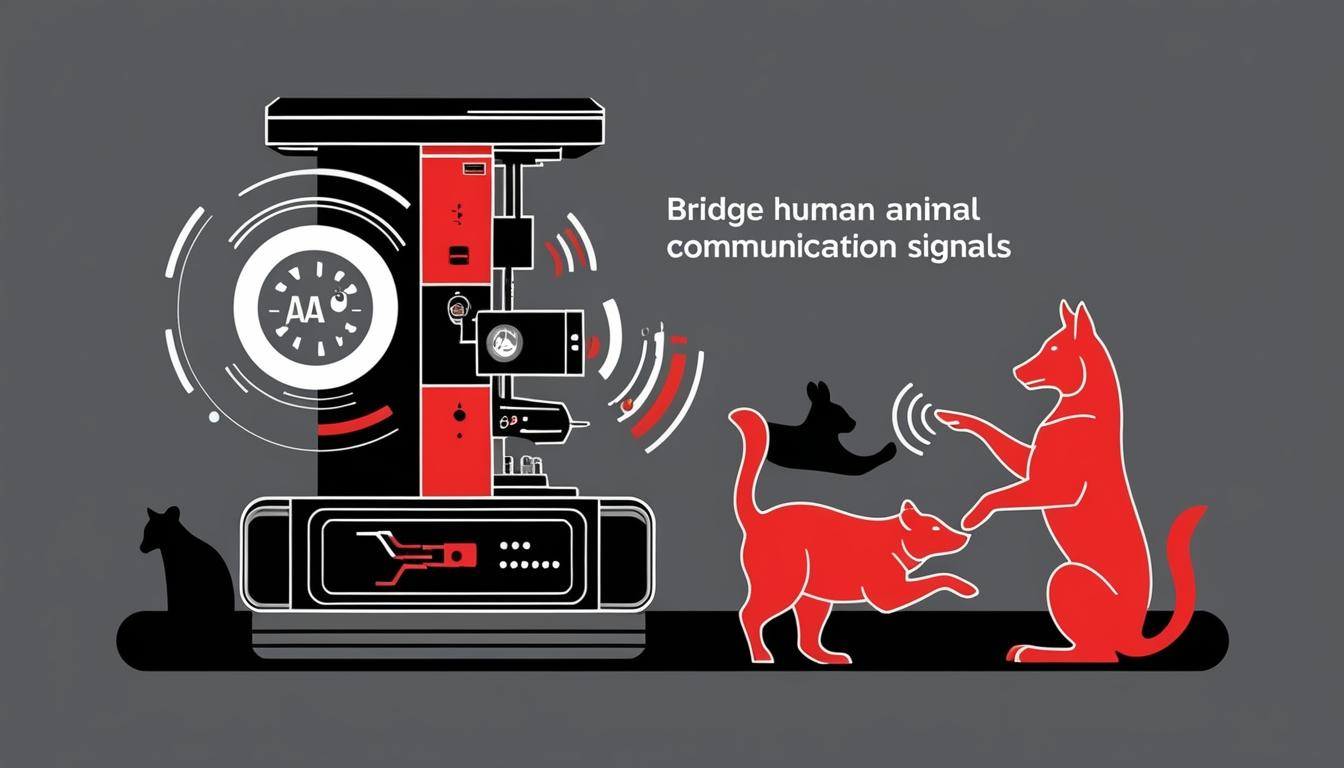
Artificial intelligence (AI) is experiencing transformative advancements across numerous fields, most notably in language translation and communication technologies. A particularly intriguing application of AI is its integration into the study of animal communication, where scientists are utilising sophisticated techniques to decode how animals convey messages through various means such as sounds, body language, and other signals.
The Earth Species Project (ESP), an organisation founded by a group of scientists and technologists, is at the forefront of this innovative research. Its mandate is to harness machine learning capabilities to further understand and interpret the complexities of animal communication. Speaking to Analytics Insight, Katie Zacarian, the CEO of ESP, emphasised, “We are on the verge of applying the advances we see in human language to animal communication.” This development could potentially facilitate meaningful interactions between humans and animals, opening new avenues for understanding the animal kingdom.
As these technologies evolve, they present a profound opportunity to analyse considerable amounts of data generated by various species—data that, due to its scale and complexity, would be challenging, if not impossible, for human researchers to decipher alone. The implications of successful AI applications in this domain may not only enhance our scientific understanding of animal behaviour but also enrich our relationship with non-human species.
The ongoing work by ESP and similar initiatives illustrates a growing trend where AI is poised to serve as a bridge between different forms of intelligence, highlighting its significant potential to transform not just business practices but our broader interactions with the natural world. As this research progresses, the landscape of both AI technology and its applications in ecological understanding will continue to evolve rapidly, presenting businesses with fresh insights and opportunities for innovation.
Source: Noah Wire Services