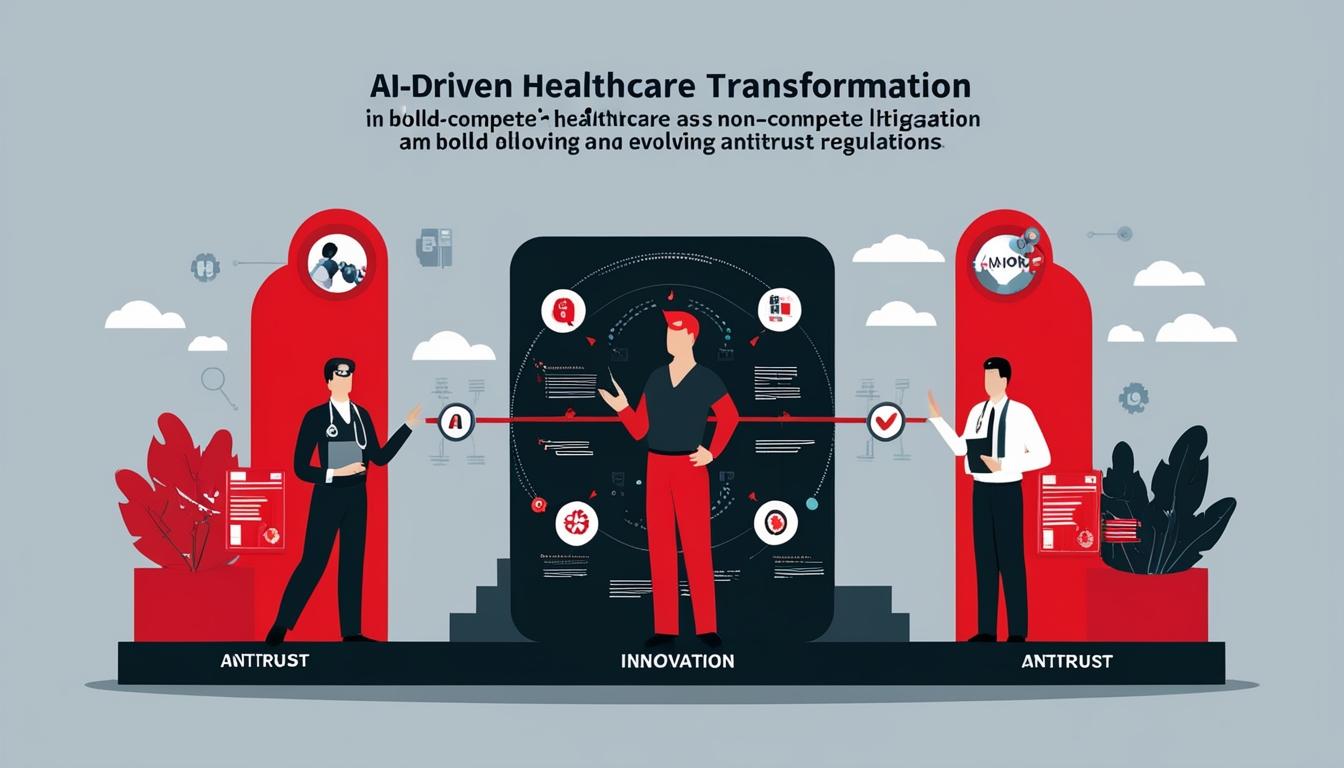
The year 2025 is poised to witness significant developments in the healthcare sector, with key trends emerging in non-compete litigation, antitrust activity, and the integration of artificial intelligence (AI) into everyday practices. These trends are expected to shape the landscape for healthcare providers, employers, and patients alike.
In terms of non-compete litigation, the Federal Trade Commission (FTC) introduced a new rule in April 2024 intended to broadly prohibit non-compete clauses in employment agreements, with certain exceptions for senior executives and business sales. Initially scheduled to take effect on September 4, 2024, the rule has faced legal challenges from various lawsuits arguing that the FTC overstepped its authority. In a pivotal appeal case, Ryan v. FTC, the Fifth Circuit Court ruled in favour of the plaintiffs, asserting that the rule could not be enforced on a nationwide basis. The FTC has since appealed this decision, and until the courts reach a final determination, employers can continue to implement non-compete agreements, albeit within the confines of state law. In the meantime, organisations are encouraged to explore alternative ways to protect their business interests through non-disclosure and non-solicitation agreements, along with provisions for repayment of training expenses.
In another area of focus, the FTC has intensified its scrutiny of healthcare mergers and acquisitions in 2024, actively intervening in significant transactions. This increase in antitrust enforcement is coupled with amendments to the premerger notification form that will require additional information from merging parties before any approvals can be granted. These new regulatory standards are scheduled to take effect in early 2025. However, shifts in the political landscape could lead to a change in the FTC's approach, which, under a new administration, may become more pro-business, potentially impacting the regulatory environment for future mergers and acquisitions.
The integration of artificial intelligence into healthcare continues to evolve, with numerous applications being introduced to assist healthcare providers in various aspects of patient care. Innovations such as AI-driven medical record transcription and diagnostic decision support are aimed at enhancing the efficiency of healthcare systems. Medical schools are also beginning to incorporate AI training into their curriculums. Despite the potential advantages, concerns surrounding data privacy and security have arisen, prompting calls for healthcare providers to implement stringent security measures. Furthermore, while AI technologies can facilitate certain processes, they lack the emotional connection often crucial in patient-provider relationships. Therefore, it is suggested that a balanced approach, integrating personal interaction alongside AI usage, could lead to improved patient satisfaction.
As these developments unfold, stakeholders across the healthcare sector are advised to stay informed and adapt to the ongoing changes poised to impact business practices and patient experiences significantly.
Source: Noah Wire Services