As 2025 approaches, discussions surrounding the future of artificial intelligence (AI) and its implications for the workforce are intensifying. According to predictions from the World Economic Forum, the impact of AI and related automation technologies is expected to be transformative, with an estimated displacement of 85 million jobs by the end of 2025. However, this forecast comes with a note of optimism, as it is anticipated that 97 million new roles will emerge within the AI sector.
This dual outcome highlights an ongoing trend in technological development, where advancements in AI create new opportunities even as some positions are rendered obsolete. The shift suggests a growing importance for professionals to adapt and acquire new skills tailored to the evolving job landscape.
In addition to the workforce changes, technological predictions made a decade ago have begun to materialise. A study predicted that by 2025, traditional technologies like landline phones, printed newspapers, and many forms of data storage would be nearly extinct. These predictions are underscored by the transition towards digital formats and the increasing reliance on online platforms for information consumption.
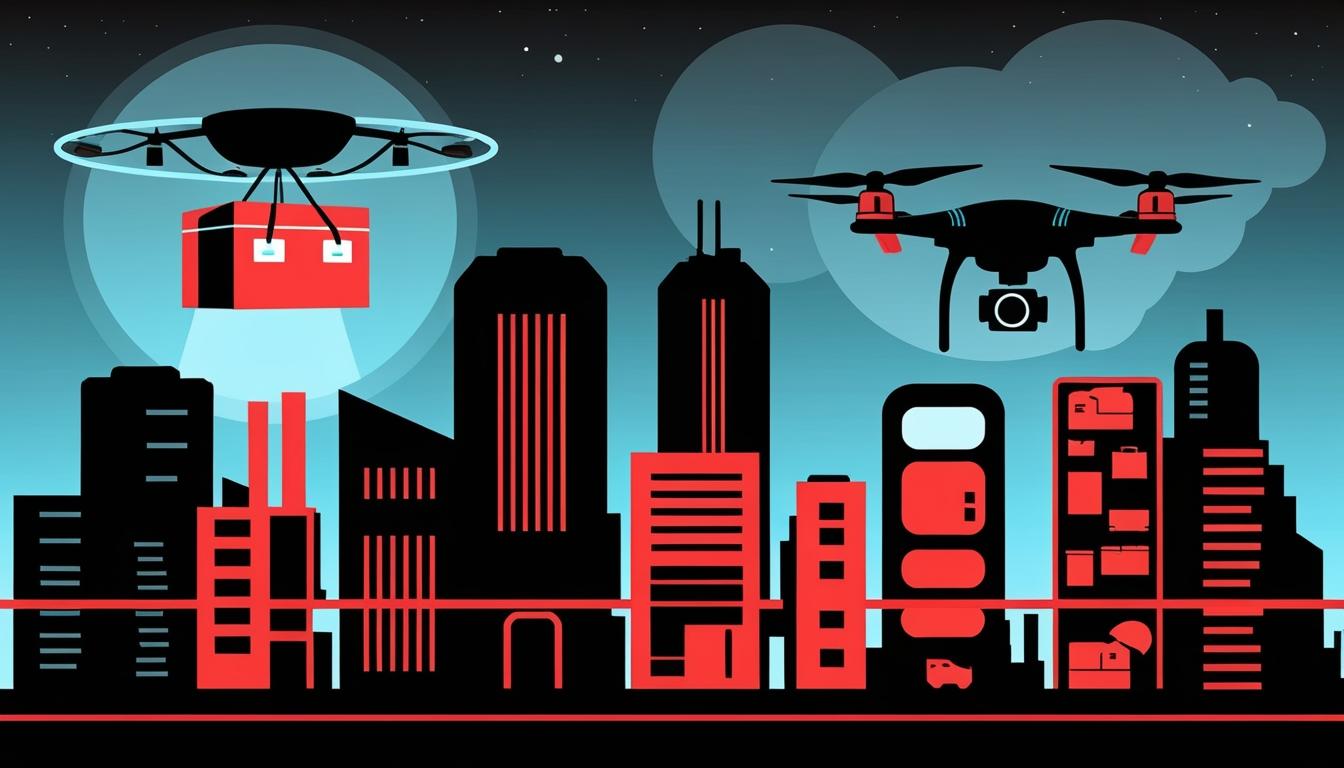
Furthermore, the logistics and delivery industries are forecasted to undergo remarkable changes, particularly with the anticipated use of drones. Traditionally reliant on a network of human drivers, major delivery services including USPS, FedEx, and UPS may see a significant restructuring. Innovations in drone technology could introduce a new fleet of autonomous vehicles capable of delivering packages without the need for human drivers, thereby addressing the heightened demands for rapid delivery services.
These developments in AI automation reflect a broader trend towards enhancing efficiency and productivity across various business practices, though they raise questions about the future role of human workers in these sectors. John McCaslin, a veteran journalist from Bigfork, draws attention to the unique value provided by human delivery drivers, recounting a personal anecdote that highlights reliability and the level of care that automated systems may struggle to replicate.
As businesses and industries brace themselves for the integration of AI technologies, the landscape of work and service provision will undoubtedly continue to evolve. The ongoing dialogue surrounding these trends suggests a critical period of adaptation and transformation ahead for both employers and employees.
Source: Noah Wire Services