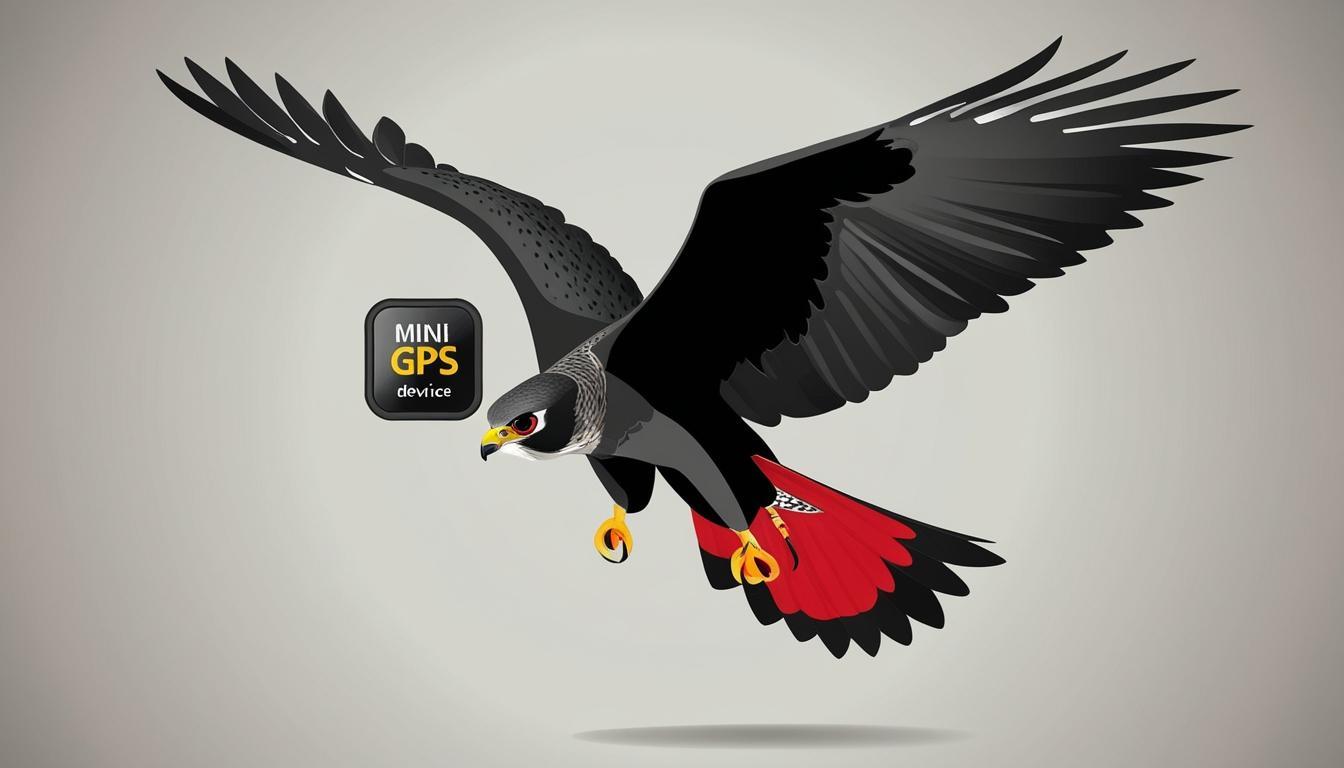
The Falcon Puzzle represents a significant advancement in the field of ornithology, promising to enhance our understanding of falcon behaviour and contribute to crucial conservation efforts. This innovative initiative employs cutting-edge artificial intelligence and machine learning algorithms, enabling researchers to monitor and analyse the movements of these birds in their natural habitats with unparalleled precision.
Utilising miniaturised GPS devices affixed to falcons, the Falcon Puzzle combines this hardware with remote sensing technologies and real-time data analytics. This sophisticated approach allows scientists to predict flight patterns of falcons with remarkable accuracy. Such predictive capabilities afford researchers unprecedented insights into avian behaviour, alongside the identification of important habitats and migration corridors that are vital for conservation efforts.
The implications of the Falcon Puzzle extend beyond falcons alone. Researchers are optimistic that this technology will create a framework applicable to the study of various avian species worldwide, marking it as a versatile tool for conservationists. As the software continues to develop, its capacity to support wider ecological studies could yield a more comprehensive understanding of wildlife ecosystems.
In the context of increasing concerns regarding biodiversity preservation, the Falcon Puzzle showcases how innovative technology can address real-world environmental challenges. The benefits it brings to conservation are evident; however, it is not without its controversies. Ethical discussions are emerging regarding the practice of equipping wild animals with tracking devices. Critics argue that such intrusive measures, despite their intended conservation goals, could disrupt natural behaviours and ecological dynamics. Furthermore, there are ongoing debates about data privacy in relation to the natural world, echoing similar concerns about human surveillance.
As the Falcon Puzzle sets a new standard in wildlife monitoring, it raises important considerations regarding the advantages and disadvantages of such approaches. While it promises to enhance efforts to protect endangered species by pinpointing habitats in need of safeguarding, the substantial amount of data generated necessitates careful attention to storage and analysis. This raises further questions concerning resource allocation and the prioritisation of environmental issues.
The future of conservation technology, as illustrated by the Falcon Puzzle, will likely hinge on achieving a delicate balance between technological innovation and ecological sensitivity. As researchers navigate these challenges, the insights gained from this initiative could serve to redefine humanity's relationship with the natural world, fostering a paradigm that promotes coexistence rather than competition. For additional insights into avian technology and conservation efforts, readers are encouraged to explore features available through National Geographic.
Source: Noah Wire Services