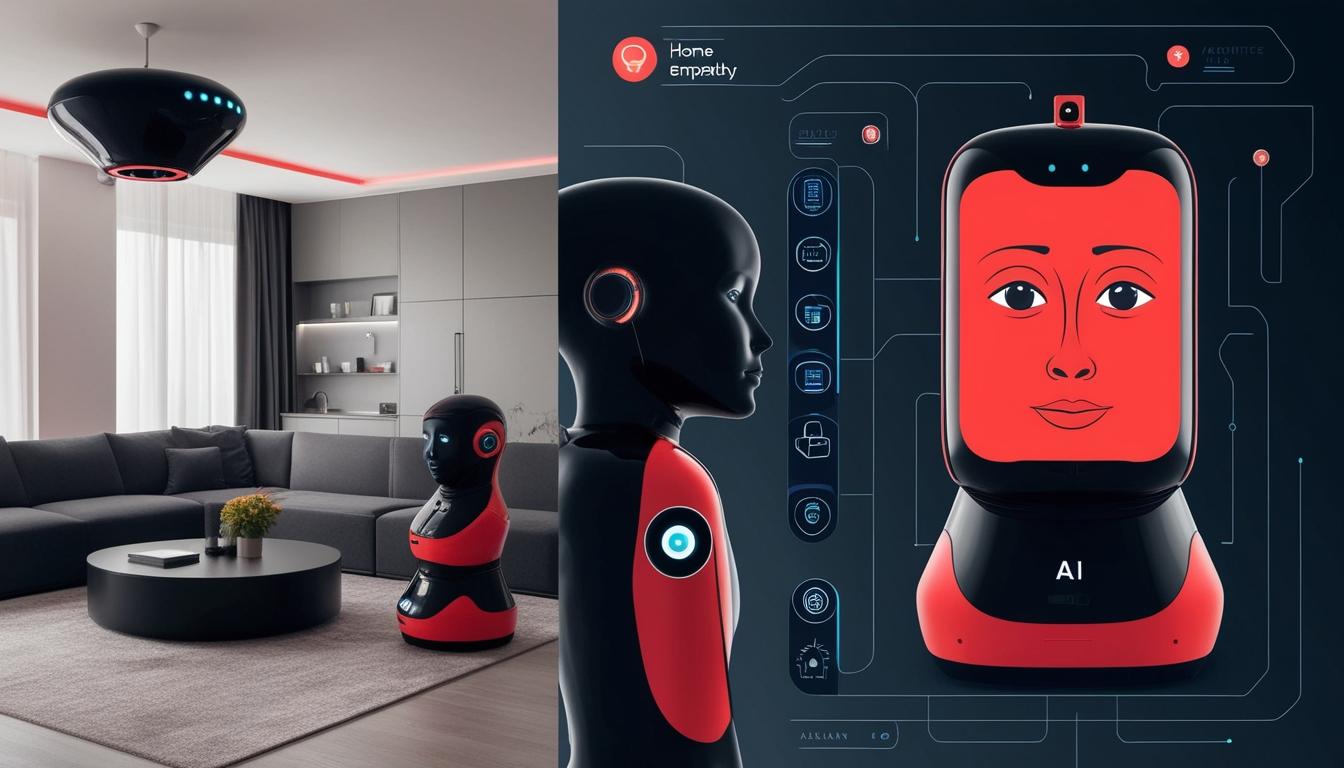
In the contemporary technological landscape, significant advancements in artificial intelligence (AI) are shaping the future of automation across industries. One notable development is the emergence of intuitive machines, which are designed not only to automate tasks but also to understand human emotions, preferences, and intentions in a way that traditional machines cannot. The concept, discussed in detail by anexartiti.gr, highlights how these advanced systems can adapt their behaviour based on users' needs, creating a more seamless integration into everyday life.
Current innovations in intuitive machines are driven by breakthroughs in machine learning, natural language processing, and sensor data integration. These systems aim to enhance user experiences in various sectors, including healthcare and smart home technology. For example, an intuitive healthcare device can autonomously monitor vital signs, predict health complications, and suggest interventions without the need for explicit instructions from healthcare professionals. Similarly, smart home devices could adjust their functionality according to the user’s past interactions and emotional state, fostering a more natural relationship between humans and technology.
However, the rise of intuitive machines also raises pressing questions regarding privacy and security. As these devices gather and analyse vast amounts of personal data, ensuring the protection of user information is critical. There is a growing consensus that establishing robust frameworks and regulations is essential to safeguard this data, thus allowing for the safe deployment of these intelligent systems.
The market for intuitive machines is expected to expand significantly, bolstered by increasing demand in sectors such as home automation, consumer electronics, and healthcare. The current trend is shifting towards more personalised and user-centric solutions, positioning intuitive machines at the forefront of human-technology collaboration.
Simultaneously, another innovative concept, AIの (pronounced "ai-no"), is redefining human-computer interaction. As reported by elblog.pl, AIの merges artificial intelligence with native language understanding, focusing on emotionally sensitive communication. This novel interface is designed to decipher emotional nuances in conversations, providing responses that reflect human-like empathy, thereby enhancing user experiences across diverse cultures and languages.
AIの features include emotion recognition, which allows these systems to react appropriately to the emotional undertones of communication, and cultural sensitivity, ensuring engagement that resonates with various user demographics. The technology's adaptive learning capabilities mean that AIの can evolve based on interactions, further refining its responses for greater personalisation.
Industries such as customer service and mental health stand to benefit immensely from AIの, as it offers the potential for more empathetic and contextually aware interactions. The market’s interest in integrating AIの into various fields indicates a significant shift towards emotionally fulfilling digital experiences.
Despite the advantages of AI and intuitive machines, concerns regarding privacy and data security remain pertinent. The delicate nature of managing emotional and cultural data necessitates stringent security measures to maintain user trust and comply with regulatory standards.
As these technologies continue to evolve, both intuitive machines and AIの signify a promising future for human-technology interactions. Predictions suggest that as these innovations mature, they will enable increasingly sophisticated communication and interaction, reshaping how individuals engage with smart devices in daily life and propelling industries towards a more collaborative and emotionally intelligent future.
Source: Noah Wire Services