As the wine industry gears up for significant transformations in 2025, key trends are emerging that highlight the intersection of sustainability, consumer preferences, technology, and innovation. Michael Bray, a prominent figure in the wine community, has outlined some of the most pressing changes expected in the coming year, particularly with respect to sustainable practices.
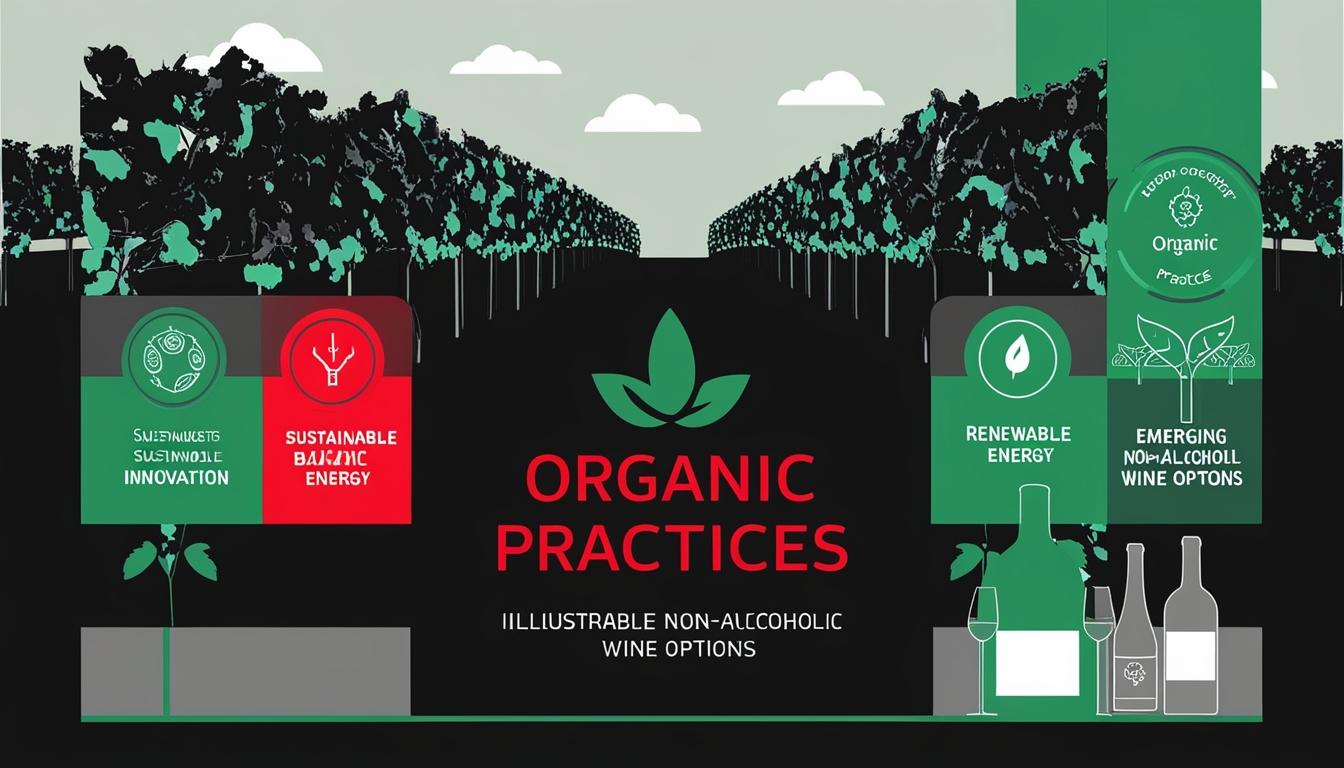
Sustainability is projected to be one of the main focuses for wineries as they respond to increasing environmental concerns. There is an anticipated shift towards organic and biodynamic farming methods, which are designed to enhance soil health and promote biodiversity. Additionally, wineries are likely to embrace regenerative agriculture techniques. Alongside these agricultural changes, many vineyards are expected to invest in renewable energy resources, such as solar and wind power, to reduce their carbon footprints. Packaging innovations will also play a crucial role, with a move towards eco-friendly materials, including lightweight bottles and alternative closures that minimise environmental impact.
Consumer behaviour is evolving, shaping production decisions in the wine industry. Bray suggests that there will be a discernible shift towards “sober curious” trends, where individuals show increased interest in lower-alcohol and non-alcoholic wine options. This growing consciousness around consumption habits is expected to drive wineries to create more innovative products that appeal to this new demographic. "Wineries that adapt to these changes will likely find new opportunities to connect with a growing audience that values mindful consumption and quality experiences,” Bray expressed. The exploration of flavours from lesser-known grape varieties will likely attract adventurous wine enthusiasts.
The concept of being "sober curious" represents a lifestyle choice where individuals are exploring non-alcoholic alternatives while still desiring complex taste experiences. Current offerings like Noughty De-Alcholized Syrah and Leitz Eins Zwei Zero Sparkling Riesling are noted as quality options that fulfil this growing niche.
Technological advancements are set to further disrupt traditional practices in the wine sector. Precision viticulture is becoming increasingly popular, with wineries expected to implement drones, sensors, and artificial intelligence to monitor vineyard conditions, optimise irrigation practices, and improve grape quality. The traceability of wine products is also likely to benefit from blockchain technology, enhancing transparency in the supply chain for consumers who wish to understand more about the origins of their wine selection. Additionally, unique consumer experiences through virtual and augmented reality are anticipated to emerge, offering immersive ways to engage with wine education and appreciation.
As the wine industry progresses into 2025, a combination of these sustainable practices, evolving consumer preferences, and technological innovations is set to redefine the landscape of wine production and consumption. Michael Bray remains enthusiastic about discussing these changes and connecting with the community he cherishes.
Source: Noah Wire Services