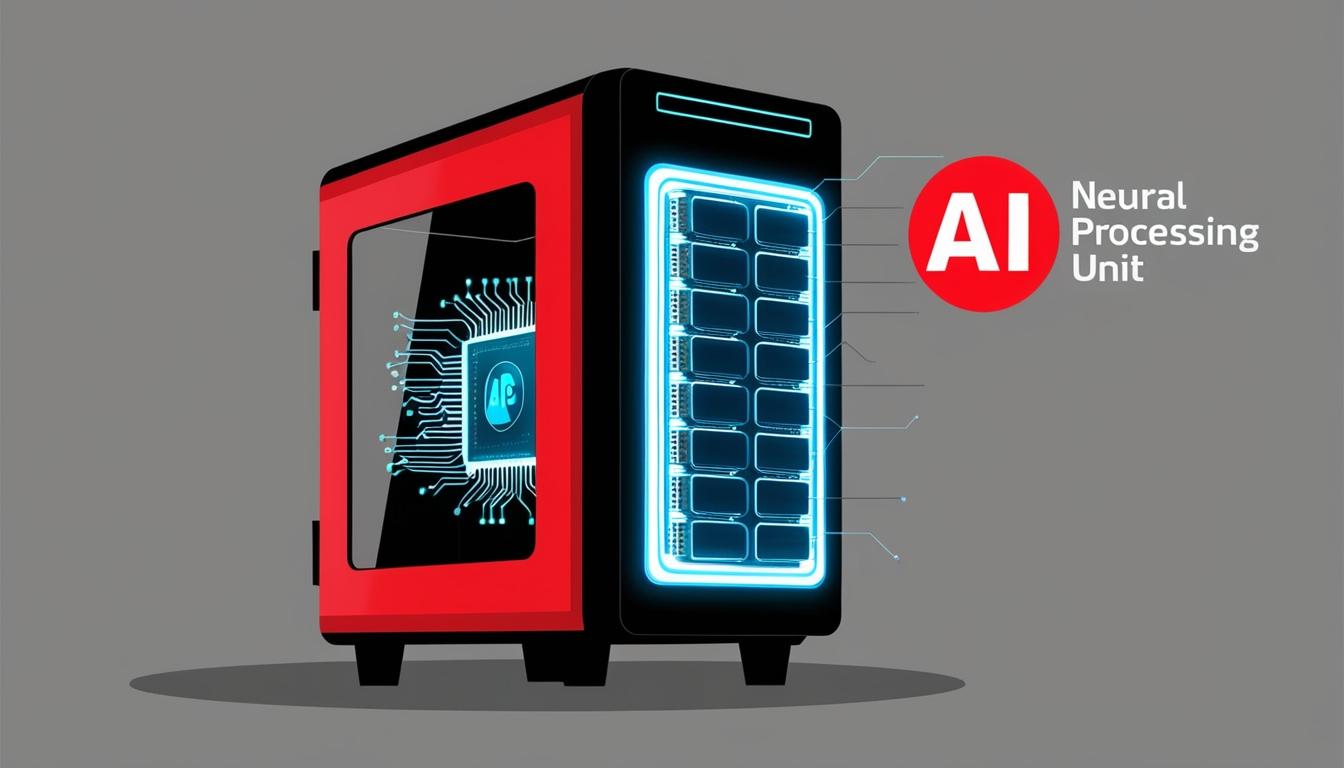
The landscape of personal computing is poised for significant transformation with the emergence of what industry leaders are terming "AI PCs". These advanced machines are designed not only to streamline AI and machine learning processes but also to enhance overall performance for a variety of sophisticated tasks. According to ZDNet, the construction of an AI PC includes high-performance components specifically optimised to handle an array of AI workloads, such as generative AI applications like Stable Diffusion, intelligent chatbots powered by local language models, and complex data analytics.
Central to the architecture of these new systems is the integration of an NPU, or neural processing unit. This dedicated chip is intended to dramatically improve the execution of AI-specific tasks, complementing traditional CPUs (central processing units) and GPUs (graphics processing units). The incorporation of ample RAM and rapid storage solutions further guarantees these PCs possess the multitasking capabilities required for intricate simulations and sophisticated AI-driven applications.
In a bid to standardise the definition of an AI PC, tech giants Intel and Microsoft are collaborating on guidelines. Their specifications extend beyond the need for CPUs, GPUs, and NPUs; they also include a physical Microsoft Copilot key on the keyboard, enabling the local operation of Copilot—a feature that underscores the self-sufficient nature of these machines. According to ZDNet, this configuration not only enhances performance but also aims to deliver improved security measures by processing sensitive data locally, rather than relying on cloud services. This change promises heightened energy efficiency and independence from constant internet connectivity.
Apple is also stepping into the AI arena with its launch of a platform termed Apple Intelligence. This initiative focuses on harnessing advanced processors and operating systems to develop tools for writing and image generation. The promotion of the "Apple Intelligence ready" branding indicates that many of Apple's latest hardware offerings, such as the M1 chip for computers and iPads, will support these advancements. Notably, the iPhone 15 Pro and Pro Max, featuring the A17 Pro chip, represent the most recent devices to embrace this technology. This strategy allows existing customers to experience the benefits of AI advancements without the immediate need for new hardware acquisitions.
The introduction of these AI PCs marks a crucial juncture in the evolution of business practices, as companies increasingly adopt automation technologies. The focus on building systems capable of conducting AI tasks locally not only enhances operational efficiency but addresses pressing concerns about data security and privacy. As technology continues to advance, the AI PC movement sets the stage for a new era of computing that looks to redefine how businesses and individuals interact with artificial intelligence.
Source: Noah Wire Services