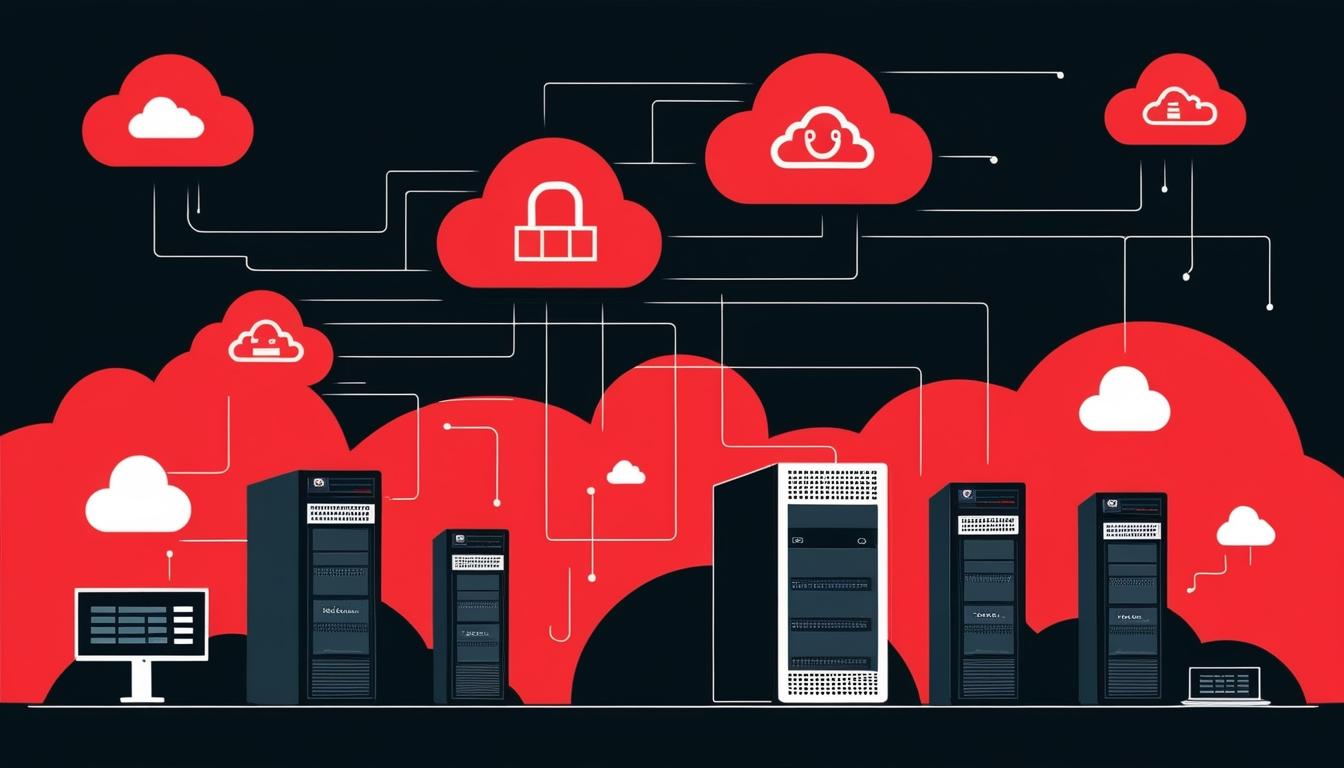
The contemporary landscape of cloud computing reveals a nuanced evolution rather than a straightforward departure from traditional on-premises technologies. While cloud computing remains an integral part of modern business operations, there is a growing recognition of the need for a balanced approach that incorporates on-premises solutions. This strategic shift is particularly relevant in contexts where cloud options may not align with organisational objectives concerning cost, security, and performance.
Historically, the narrative surrounding cloud computing has been overwhelmingly positive, often championed as a universal solution. However, industry experts assert that this perspective overlooked the complexity of integrating cloud solutions across an enterprise. Larry O’Connor, founder and CEO of Other World Computing (OWC), articulated this sentiment, stating, "The cost of cloud storage in particular has gone from nearly given away to becoming significantly expensive.” He noted that many businesses are now reconsidering their cloud dependency in favour of on-premises strategies that offer greater control over budget and data security.
Cybersecurity remains a paramount concern as businesses navigate their computing options. The potential for large-scale data breaches in public cloud environments is a significant factor in this strategic reevaluation. O’Connor posited that local data storage, particularly for smaller businesses, poses a lesser risk of cyber-attacks compared to centralised cloud infrastructures. He highlighted that “keeping your data local, as a smaller target, is often more secure,” and advocated for a local backup strategy over reliance on cloud solutions for core data management.
Additionally, the emergence of artificial intelligence (AI) technologies within on-premises frameworks has garnered attention. O’Connor suggested that running AI capabilities locally can democratise access for businesses that may otherwise be priced out of extensive cloud-based AI applications. He emphasized that this approach ensures sensitive data remains within the company's secure environment, mitigating risks associated with data leakage that could undermine competitive advantage. “On-premises AI will democratize some of the AI learning and capabilities that smaller businesses and institutions will have access to,” he asserted.
The discourse on the future of cloud computing also encompasses considerations of repatriation of data back to on-premises environments. Vadim Tkachenko, co-founder and technology fellow at Percona, expressed optimism regarding a potential shift towards this model, predicting that 2025 may mark a turning point. He noted that companies are increasingly recalibrating their IT strategies in light of economic pressures and an imperative for enhanced usability and automation in managing on-premises systems. “The easier it becomes to deploy and manage databases on your own, the more organisations will have the confidence and capabilities needed to reclaim their data,” he remarked.
As businesses deliberate the benefits and drawbacks of various computing models, a hybrid approach often emerges as a pragmatic solution. This paradigm allows organisations to leverage the scalability and service models of the cloud while also retaining the security and performance advantages of on-premises systems. O’Connor acknowledged this balance, stating that using both cloud and local solutions can foster resilience amid the inherent challenges of relying solely on internet-connected services.
In summary, the evolution of AI automation and cloud computing continues to shape business practices and strategies. As companies assess their technological needs, the interplay between cloud and on-premises solutions illustrates a significant trend that reflects an ongoing redefinition of how businesses manage their data and applications. The dialogue surrounding these developments is paramount in understanding the future landscape of technological integration in business.
Source: Noah Wire Services