The Consumer Electronics Show (CES) 2025 commenced recently in Las Vegas, showcasing groundbreaking advancements in artificial intelligence (AI) that are set to revolutionise various aspects of daily life and business operations. This year's event illustrates a shift in AI technology from mere conceptual discussion to practical applications that are increasingly woven into the fabric of everyday experiences.
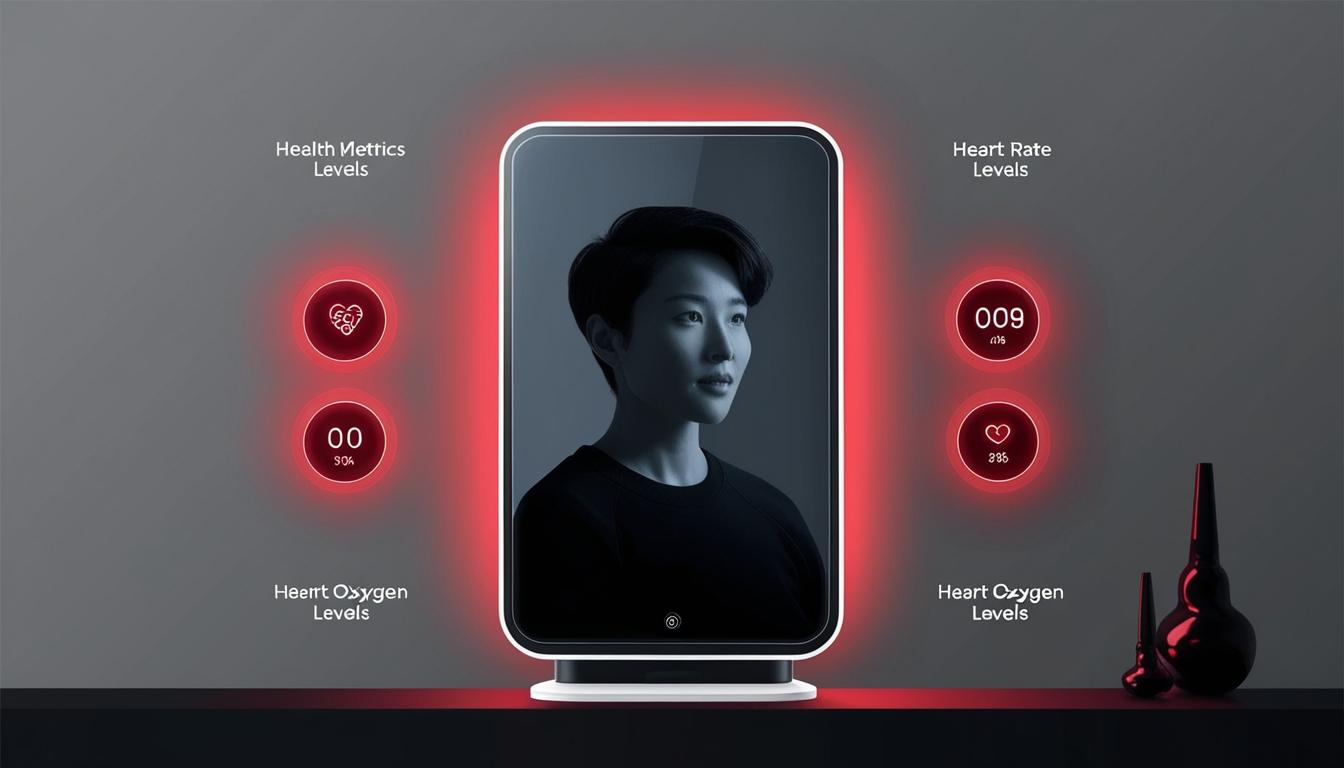
One of the standout innovations introduced at the event is the Health Face mirror, a sophisticated AI-driven health monitor that promises to transform personal health tracking. This mirror captures 30 images of the user's face per second, enabling it to display not only the reflection but also critical health metrics such as heart rate, oxygen levels, blood pressure, and respiration rate. Jerry Chang, a representative associated with the product, highlighted its capabilities, stating, "What it’s doing right now is taking 30 pictures of your face per second." The mirror's advanced AI analysis allows it to estimate cardiovascular age, stress levels, and sleep quality, providing a comprehensive overview of one's health in real-time.
Moreover, smart glasses taking centre stage at CES represent another significant stride in AI technology. Beyond aesthetics, these glasses offer features that enhance the user's interaction with their environment and technology. One of the notable functionalities includes real-time translation capabilities, which fundamentally transforms communication for users who interact across diverse languages. An exhibitor at the show commented, “I can talk to a foreigner and it will act like a translator and you can understand a foreign language without even knowing it.” Such technologies could foster deeper cross-cultural exchanges and facilitate smoother business interactions in international markets.
Another innovation making waves is an AI-powered baby crib, which is designed with both convenience and parental peace of mind in view. This intelligent monitor is equipped with sensors capable of tracking a child's heart rate and breathing patterns, while also generating health reports for parents to better understand their child's wellbeing. A representative explained, “We have sensors that can measure the heart rate, the breath rate, and we generate a general health report for the parents to better care for their baby.” This application of AI not only aids in immediate monitoring but also potentially enhances healthcare data sharing with paediatricians, fostering an integrated approach to child health management.
As CES 2025 unfolds, it is evident that AI technology is permeating various sectors beyond computers and smartphones. The showcase features innovations that promise to enhance day-to-day living, tighten personal health management, and streamline business communications. With such advancements, AI is shaping a future that appears both intimate and unparalleled, from personal health to childcare technology, making it evident that the integration of AI into everyday life is not a far-off prospect but a current reality.
Source: Noah Wire Services