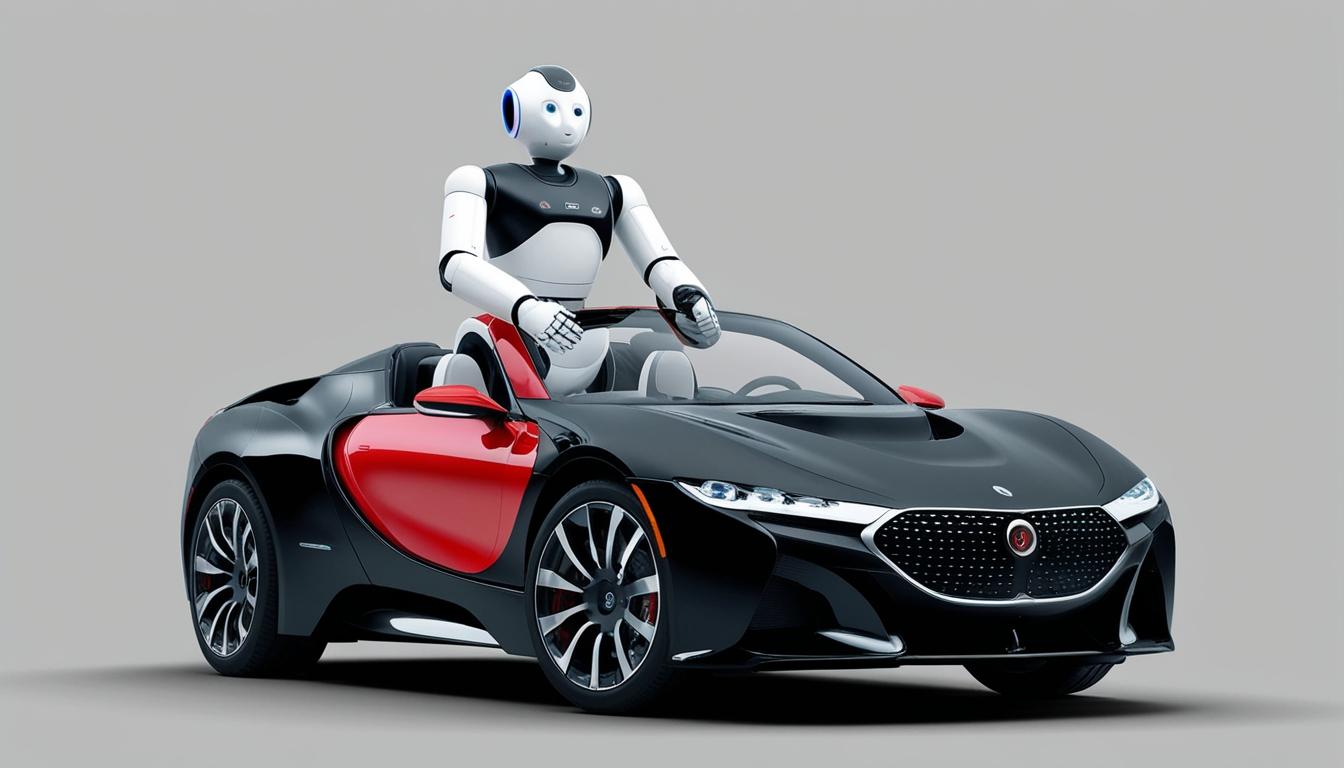
At the recent CES 2025, a major consumer electronics show held annually in Las Vegas, significant advancements in AI technology were showcased, with a particular emphasis on its integration into consumer vehicles and robots. Among the most notable announcements was the return of Honda's ASIMO, a humanoid robot designed to assist in various tasks, marking a significant milestone in robotics innovation. The display of ASIMO at CES 2025 highlighted its functionalities that reportedly enhance user experience within automobiles, merging the realms of AI and automotive technology.
Alongside Honda's showcase, there were various presentations from other major players in the industry, including Suzuki, Aptera, and Volvo, all of whom revealed new technologies aimed at improving the driving experience and increasing automation. These innovations were framed within the broader context of how AI can transform business practices, particularly in the automotive sector. The focus was not only on the technologies themselves but also on their practical applications in everyday life, indicating a shift towards user-centric designs.
Despite the exciting advancements in AI and robotics, the automotive market is currently experiencing a downturn. Tesla, a leading figure in electric vehicles, reported a decline in sales for the first time in a decade, even in the face of significant discounts and 0% financing offers. This development has raised eyebrows within the industry, as it comes at a time when competition is heating up, and manufacturers are increasingly investing in AI solutions to enhance vehicle performance and efficiency.
Moreover, the enthusiasm surrounding innovations like flying cars from China and advancements in robotic technologies underlines a burgeoning interest in the future of transportation. As industries continue to explore AI automation, predictions suggest that the integration of such technologies will reshape business practices, potentially leading to new market dynamics and consumer behaviours.
The integration of AI into vehicles and automation processes appears to be on the rise, presenting both opportunities and challenges for businesses in an ever-evolving landscape. With companies heavily investing in these advancements, it will be crucial to monitor how these technologies impact business strategies and consumer interactions in the years to come.
Source: Noah Wire Services