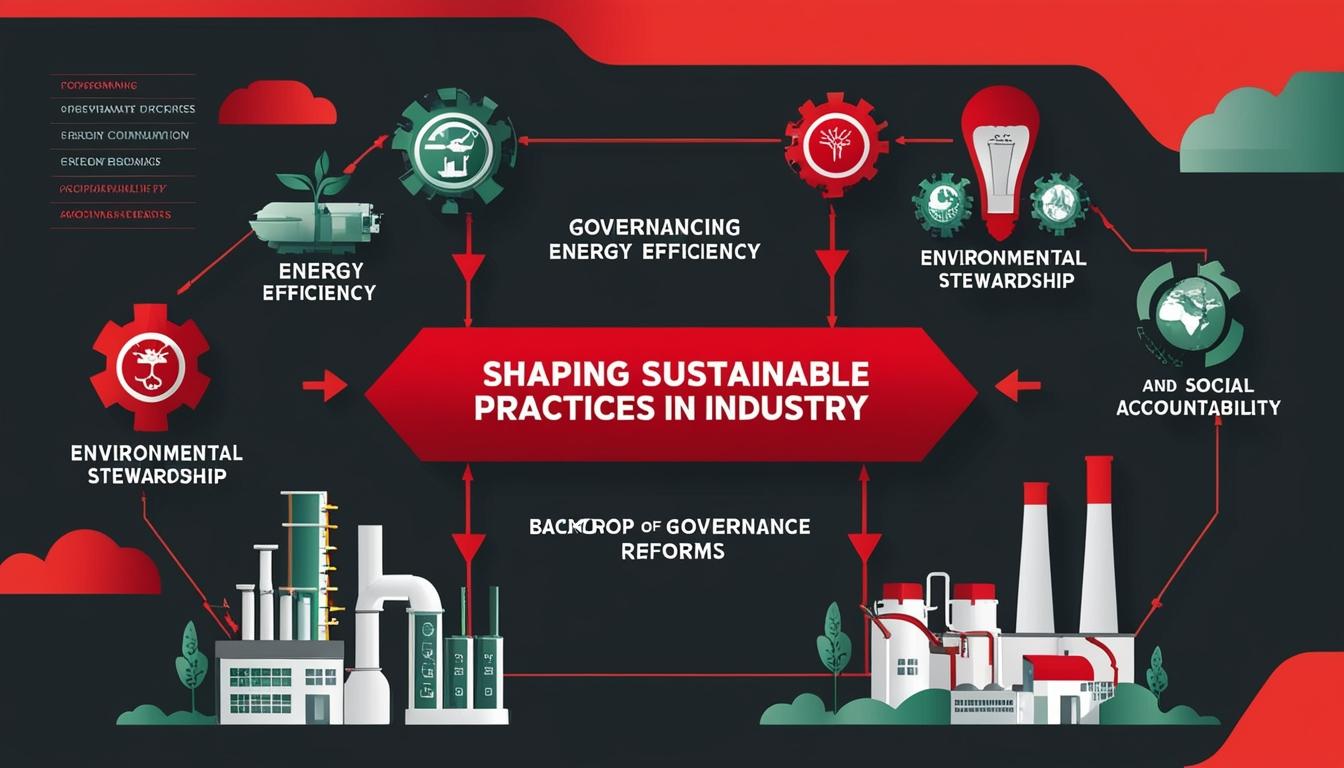
Artificial Intelligence (AI) is increasingly recognised as a pivotal influence in enhancing environmental, social, and governance (ESG) initiatives across various sectors, according to Gulf Digital News. Businesses are leveraging AI technologies to optimise resource usage and energy consumption while simultaneously reducing their environmental impact. There is a clear evidence of AI contributing to climate research and enabling sustainable practices within industries such as manufacturing and agriculture.
Specific applications of AI are revolutionising these sectors by streamlining operations. For instance, AI systems can enhance production lines and use inputs more efficiently, leading to reduced waste and better sustainability outcomes. There is a notable trend of companies actively pursuing these technologies to improve operational efficiencies while consciously trying to meet their environmental responsibilities.
However, there are ongoing concerns regarding the environmental footprint associated with AI technologies. The energy consumption required for the computational power necessary to run large machine learning models is substantial. As a response to these concerns, prominent companies like Google and Microsoft have pledged to transition to renewable energy sources and have increased efforts to enhance the efficiency of their data centres. This signifies a growing awareness that the innovation of AI must be aligned with sustainable development practices to mitigate its environmental impact.
The influence of AI extends beyond environmental factors; it also plays a role in advancing social dimensions across sectors such as healthcare, education, and supply chain transparency. AI tools are being implemented to ensure fair working conditions globally, enhancing transparency and accountability in business operations. However, challenges persist regarding the presence of bias in AI models. It is essential for algorithms to be meticulously crafted to prevent the reinforcement of existing social inequalities, thus fostering a more equitable application of AI technology.
Governance structures within businesses are evolving to accommodate the rapid integration of AI. As the technology becomes entrenched in decision-making processes, frameworks are being developed to regulate its use. Notably, the European Union is working on the Artificial Intelligence Act, which aims to ensure that AI use is transparent, accountable, and ethical. These regulatory efforts are intended to align the development of AI with broader ESG objectives, ensuring that public trust in this technology is maintained.
The role of AI in shaping the future of business practices is becoming increasingly significant, with clear implications for sustainability and social responsibility. The discourse surrounding AI's capabilities and its integration within various industries continues to grow, reflecting a broader trend towards responsible innovation in the face of emerging technology.
Source: Noah Wire Services