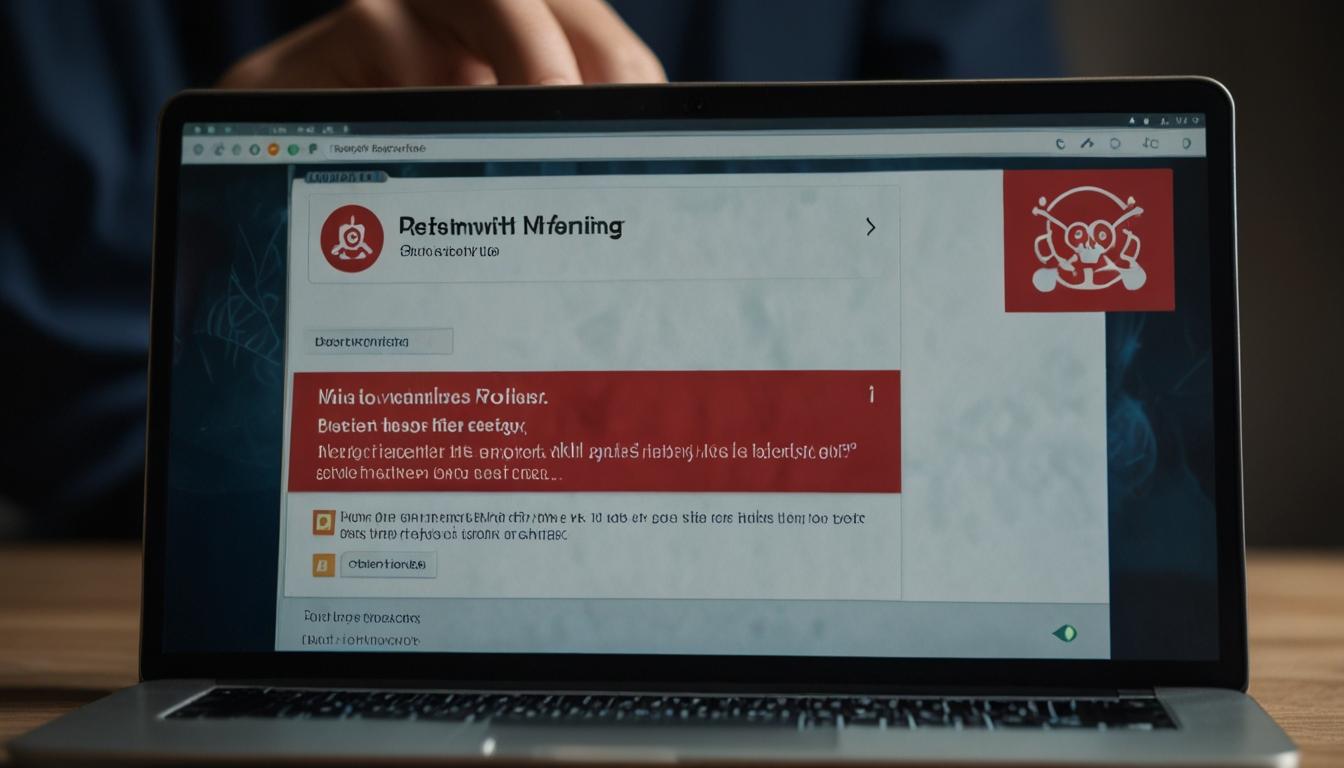
Hackers Employ Deceptive Tactics to Trick Users and Steal Sensitive Information
In recent cyber activities, malicious actors have refined their techniques to ensnare unsuspecting users and extract sensitive information, causing a significant rise in cyber fraud instances. Utilising a range of sophisticated methods, these hackers have targeted everyday internet users, manipulating their trust and infiltrating their systems.
One commonly employed strategy is the use of deceptive pop-up messages. These scam alerts typically manifest as alarming pop-up warnings on computer screens, falsely notifying users that their devices are infected with malware or other security threats. For illustration, some users may encounter a pop-up claiming their Apple device has been compromised, instructing them to contact "Apple Support." Once the victim clicks on the provided fake link, the scammers can gain access to sensitive banking details and passwords through the illicit pathways created.
A similar scenario is seen with fraudulent emails. These deceitful emails impersonate reputable companies like Microsoft, alleging that the user's account security has been breached. The email then directs the user to what appears to be a legitimate support site to 'verify' their account information, which, in reality, is a phishing site designed to harvest their credentials.
Moreover, another sinister method known as "malvertising" has gained traction. Malvertising involves embedding malware within seemingly genuine advertisements on popular search engines like Google or Microsoft Bing. Scammers strategically purchase these ads to mimic official support services. For instance, a user searching for "Microsoft support" could be led to a malicious site via a compromised ad. Upon clicking the displayed fake support number, the user's system gets infected, granting hackers access to sensitive banking information and personal data.
A striking incident highlighting the effectiveness of these methods occurred recently involving the legitimate OpenAI X account, @OpenAINewsroom. Hackers hijacked the account and disseminated a phishing message to its approximately 54,000 followers. The fraudulent post announced a non-existent cryptocurrency token called $OPENAI, luring users with promises of staking claims in the initial token supply and becoming part of a bridge between AI and blockchain technology. The misleading message tricked many users into compromising their details.
As cyber threats evolve, these incidents underscore the growing sophistication of online scams and the importance of exercising caution in digital interactions. Recognising and understanding these tactics can help in safeguarding against them and prevent compromising sensitive personal and financial information.
Source: Noah Wire Services