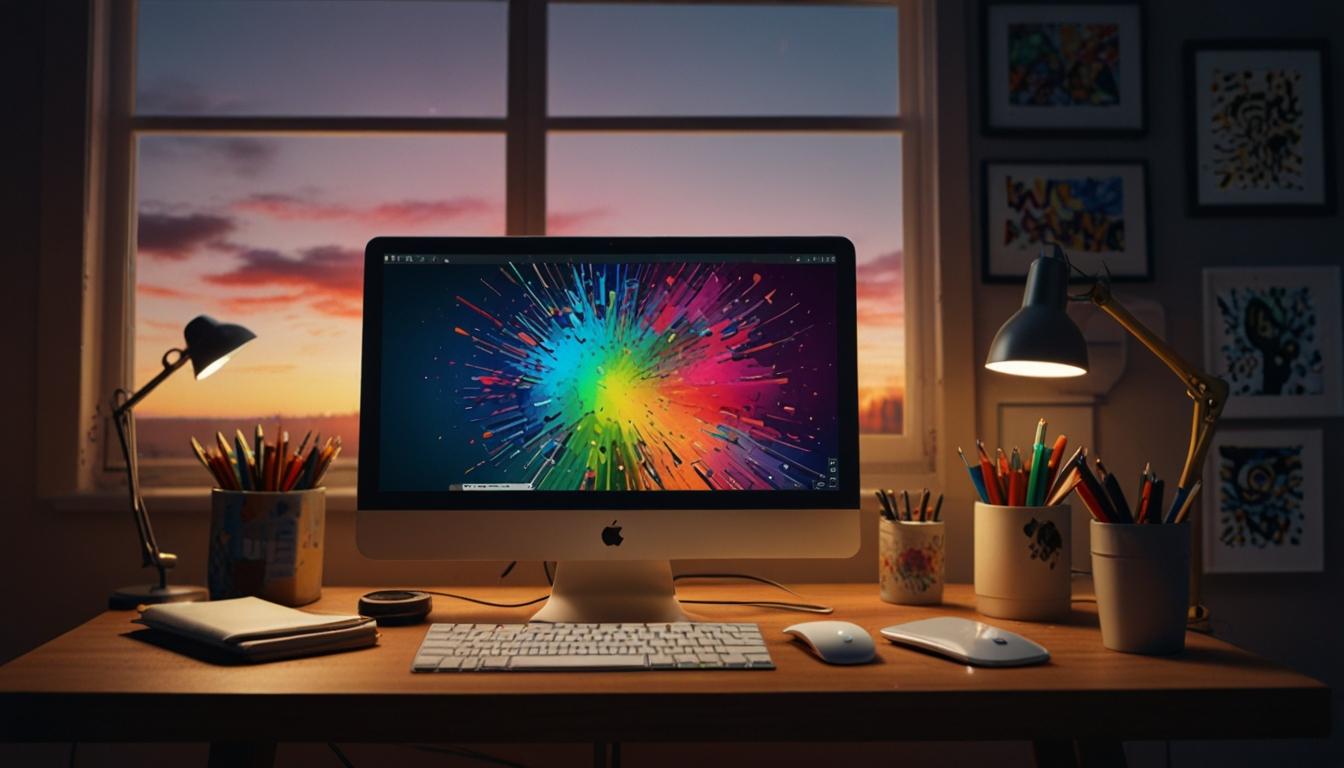
OpenAI Introduces DALL-E 2: Revolutionising Image Generation with AI
OpenAI has unveiled DALL-E 2, the latest in AI-powered image generation technology designed to transform the way visual content is created. Utilising advanced machine learning models, DALL-E 2 can generate highly detailed images from simple text prompts, providing a range of functionalities that cater to a broad spectrum of creative professionals.
Key Features of DALL-E 2
DALL-E 2 boasts a highly sophisticated text-to-image generation capability. Users can describe virtually any scene in text form, and the tool will render an image that aligns with the description. This offers unprecedented convenience and efficiency for those needing to visualise concepts quickly.
One of the standout features of DALL-E 2 is the ability to customise the style of the generated images. Users can select from an array of artistic styles, including realism, surrealism, and abstract, allowing for diverse creative expression and experimentation.
In addition to generating new images, DALL-E 2 includes functionality for image editing. Users can modify existing images by providing new text prompts, making it possible to adapt and refine visuals without starting from scratch.
Practical Applications and Utility
Graphic designers are among the primary beneficiaries of DALL-E 2. The tool facilitates rapid visualisation of concepts, unique illustration creation, and the testing of various artistic styles. From generating creative content to developing marketing materials and visual assets for presentations, DALL-E 2 proves to be a versatile asset.
The efficiency gained through DALL-E 2 is significant. Tasks that normally require considerable manual effort and time can now be executed swiftly and with high quality. Designers can iterate ideas more rapidly, allowing for more innovation and creativity in their projects.
DALL-E 2 is positioned to make a substantial impact within the creative industry, offering tools that streamline the design process and expand the possibilities of visual content creation. Its ease of use, coupled with the ability to produce highly detailed and stylised images, marks a significant advancement in the application of artificial intelligence technologies to creative fields.
Source: Noah Wire Services