The Rise of AI Deepfakes: What You Need to Know
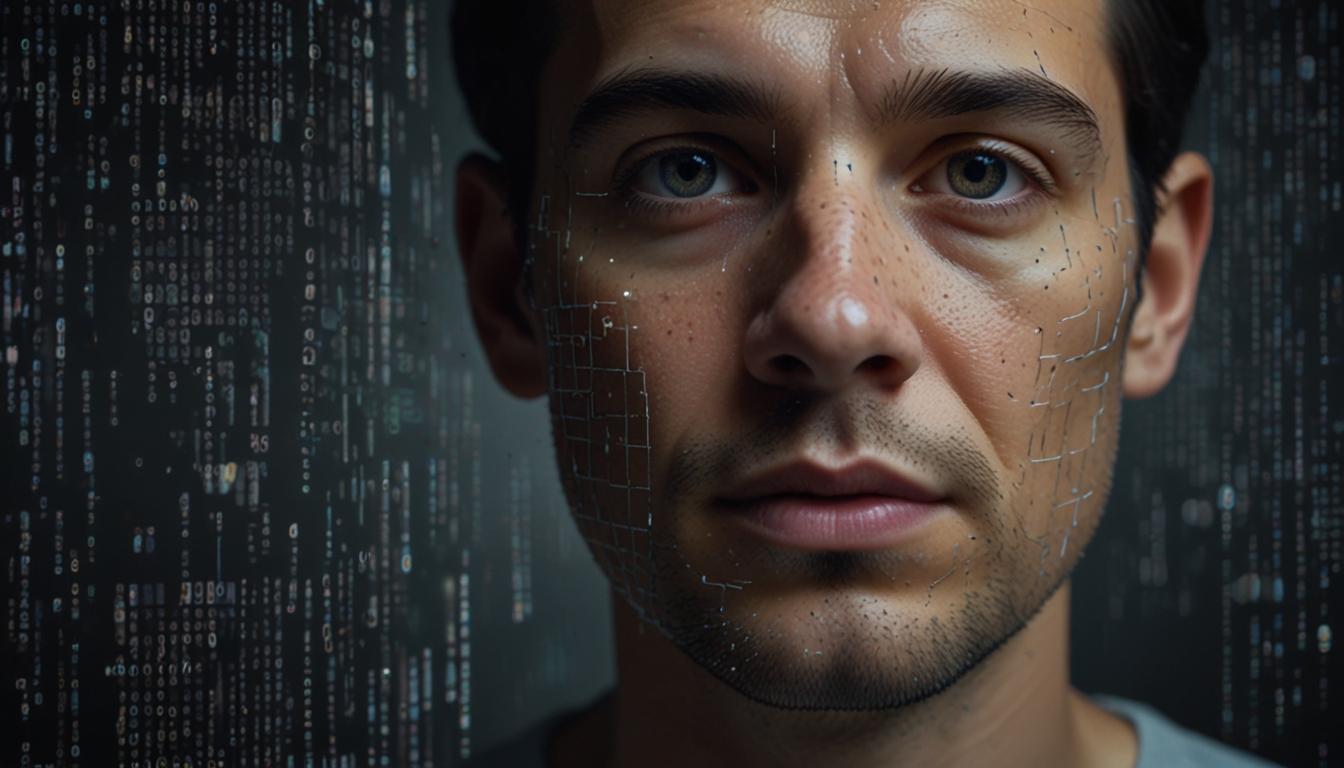
The rapid development and dissemination of AI-generated deepfakes are becoming a significant concern for experts, particularly regarding their potential impact on society and democratic processes. Deepfakes, which are highly realistic digital forgeries created using deep learning techniques, can manipulate audio, images, and videos to produce fabricated content that mimics real people almost flawlessly.
Laurie Segall, the founder of Mostly Human Media, alongside other experts and technologists, is voicing concerns about the growing presence of these technologies in both social and political arenas. The sophistication of deepfakes makes it increasingly challenging for the general public to discern altered content from genuine media, thereby posing risks to the integrity of information and trust among audiences.
Understanding Deepfakes
Deepfakes exploit advanced AI algorithms, specifically convolutional neural networks, to create seamless imitations of individuals. These forgeries can range from seemingly innocuous entertainment videos to more malicious uses, such as spreading misinformation or defaming public figures. The effects of deepfake technology could be particularly pronounced during election cycles, where manipulated media could influence voter perceptions and outcomes significantly.
Identifying Deepfakes
Despite the advanced nature of deepfakes, there are indicators that can help detect them. Laurie Segall, along with digital media experts, suggests several methods to spot deepfake content:
- Visual Inconsistencies: Look for irregularities in videos, such as unnatural facial movements, awkward blinking, and mismatched lighting or shadows.
- Audio Anomalies: Pay attention to discrepancies between the speaker’s voice and their lip movements, and be wary of unnatural speech patterns or audio distortions.
- Source Credibility: Verify information against trusted sources. If a piece of media appears on an unfamiliar or dubious platform, it might warrant further scrutiny.
- Metadata Examination: Metadata attached to digital files can provide clues about their authenticity. Anomalies in metadata can sometimes indicate tampering.
Societal Implications
The proliferation of deepfakes extends beyond individual cases. The potential for widespread misinformation endangers public trust in media and erodes the foundation of democratic discourse. As deepfakes become more sophisticated, the tools and methods for detecting them must advance in tandem to mitigate their negative effects.
Technological companies and social media platforms are increasingly tasked with identifying and countering deepfake content. However, this is a continually evolving challenge. Stay informed about technological advancements and remain critical of media, particularly during high-stakes events such as elections, to navigate the complexities introduced by deepfake content.
Source: Noah Wire Services