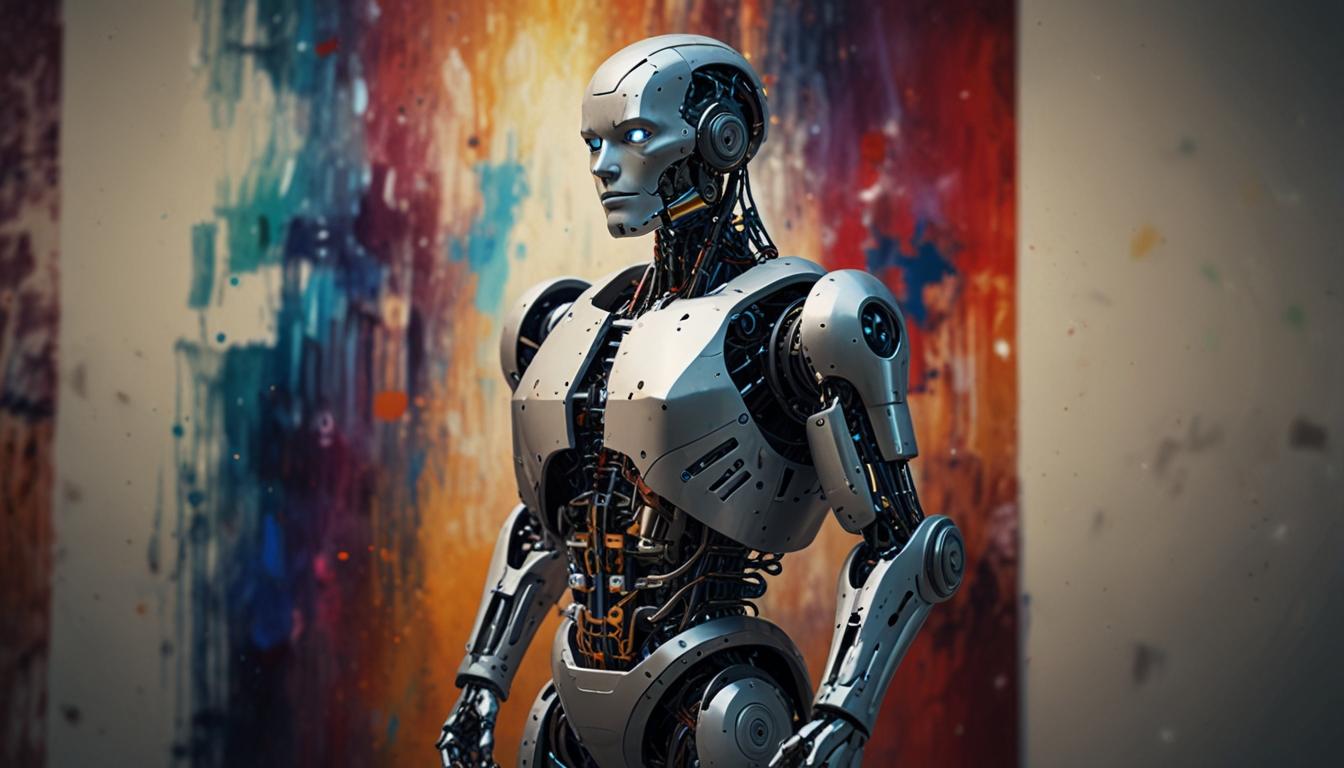
In recent years, the integration of artificial intelligence (AI) into various creative industries has sparked significant debate and concern regarding its potential impacts on human creativity. Professionals with extensive experience across multiple creative fields are expressing their views on the subject. They acknowledge that constant evolution is an intrinsic part of the creative sector, largely driven by technological advancements.
Historically, technology has significantly influenced the arts. Dating back to the Renaissance, technological innovations like the camera obscura, oil-based paints, and a refined understanding of linear perspective reshaped artistic expression. The emergence of photography in the 1800s pushed artists away from realism, as capturing lifelike details became the domain of the camera. This shift led artists to explore abstraction and other styles less focused on replication.
Throughout history, artists have continuously adapted to technological changes, whether embracing new capabilities or finding niches left by the dominant tech of their era. This adaptability is evident in the works of photographers like Man Ray and Jerry Uelsmann, who utilised innovative darkroom techniques to create surreal imagery long before digital tools became mainstream.
Despite these historical precedents, there is a question of whether AI could alter the relationship between technology and art fundamentally. While previously technology enhanced creative possibilities or required artists to adapt, AI has the potential to automate tasks traditionally reserved for human creatives. This capability could reshape the role of creative professionals, potentially prioritising cost and efficiency over human artistic input.
The fear is that AI might not merely be an additional tool for creatives but a replacement in specific roles. For instance, where once a distinctive style by an individual artist such as Lance Evans might have garnered numerous commissions, today AI systems are capable of replicating such styles quickly and cost-effectively. This raises concerns about whether AI will ultimately serve creative professionals or primarily benefit clients by enabling them to bypass artists altogether.
Notwithstanding these concerns, the creative community continues to reflect on whether AI will evolve as a mere tool to assist and expand artistic expression or transform into an unprecedented force that diminishes traditional art roles. This uncertain future prompts seasoned professionals to ponder alternative career paths, perhaps in fields less susceptible to technological displacement.
As AI technology progresses, ongoing discourse and research into its impact on creativity will be crucial in understanding its role within the artistic landscape. The evolution of AI and its integration into creative processes is a key focus for those concerned with how this will redefine what it means to be a 'Creative' in the modern world.
Source: Noah Wire Services