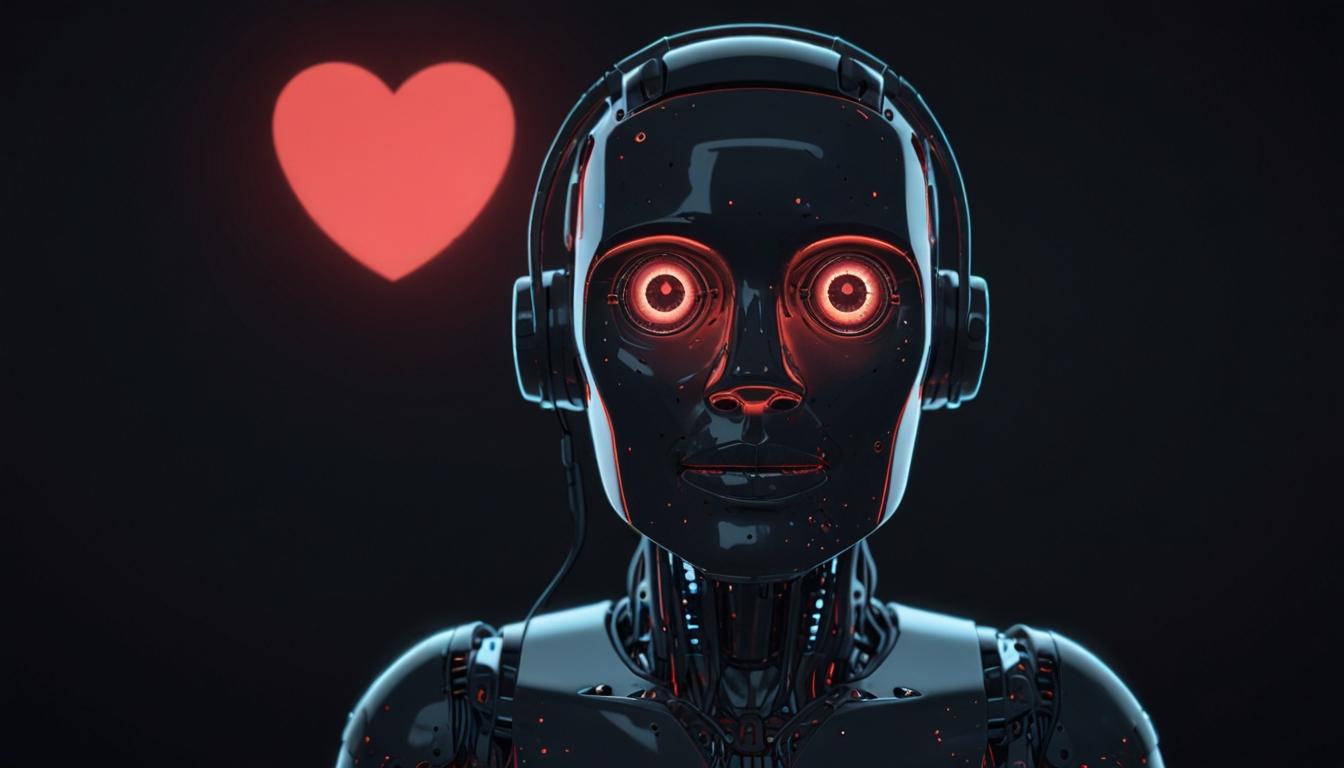
The rapid progression of consumer technology in today's digital age has been marked by many remarkable advancements, with one of the most significant being the development of emotionally aware artificial intelligence (AI). This innovative technology is designed to detect, interpret, and respond to human emotional states, offering a transformative shift in how humans interact with machines.
Emotionally aware AI, also known as emotion AI, aims to bridge the gap between human emotional expression and artificial responses. Unlike traditional AI systems that rely solely on pre-programmed responses, these advanced systems are capable of perceiving subtle emotional cues such as tone of voice, facial expressions, and contextual nuances. The interaction is intended to feel more natural and human-like, enhancing user experience and efficacy.
A practical application of emotionally aware AI can be seen in customer service settings, particularly with chatbots and voice-activated assistants. These AI systems have the potential to discern a user's emotional state, adapting their responses to better suit the user's mood. For instance, they may identify if a user is frustrated and offer more empathetic and reassuring responses, or sense excitement and mirror that enthusiasm.
Research conducted by Gartner projects that by 2025, approximately 75% of customer interactions will incorporate emotion AI technologies. This forecast highlights the growing indispensability of emotion AI in enhancing customer experience and engagement. Businesses and tech developers are increasingly recognising the potential of this technology not merely as a luxury extension but as a critical component of competitive digital interaction.
As the technology continues to evolve, emotion AI is expected to expand beyond customer service, influencing sectors such as education, healthcare, and entertainment. In education, emotion AI could play a pivotal role in identifying student engagement and responsiveness, thereby tailoring educational content to fit individual needs. In healthcare, it holds the promise of aiding in mental health assessments by detecting emotional signals indicative of issues such as depression or anxiety. In the realm of entertainment, emotionally aware AI could potentially revolutionise personalised content delivery by adapting streaming or gaming content to suit the viewer's current mood.
Despite its many promising applications, the rise of emotionally aware AI brings to the fore discussions on privacy, consent, and ethical use. The capability of these systems to process and possibly store sensitive emotional data necessitates stringent measures to protect user privacy. As this technology develops, it is likely that regulatory frameworks will be established to oversee how emotional data is managed and accessed.
Emotionally aware AI presents a fascinating intersection of technology and human emotion, poised to influence the way humans and machines interact across various domains. As we move closer to a future where artificial intelligence systems are not only intelligent but emotionally perceptive, the landscape of digital interaction continues to evolve, bringing with it both opportunities and challenges that await further exploration.
Source: Noah Wire Services