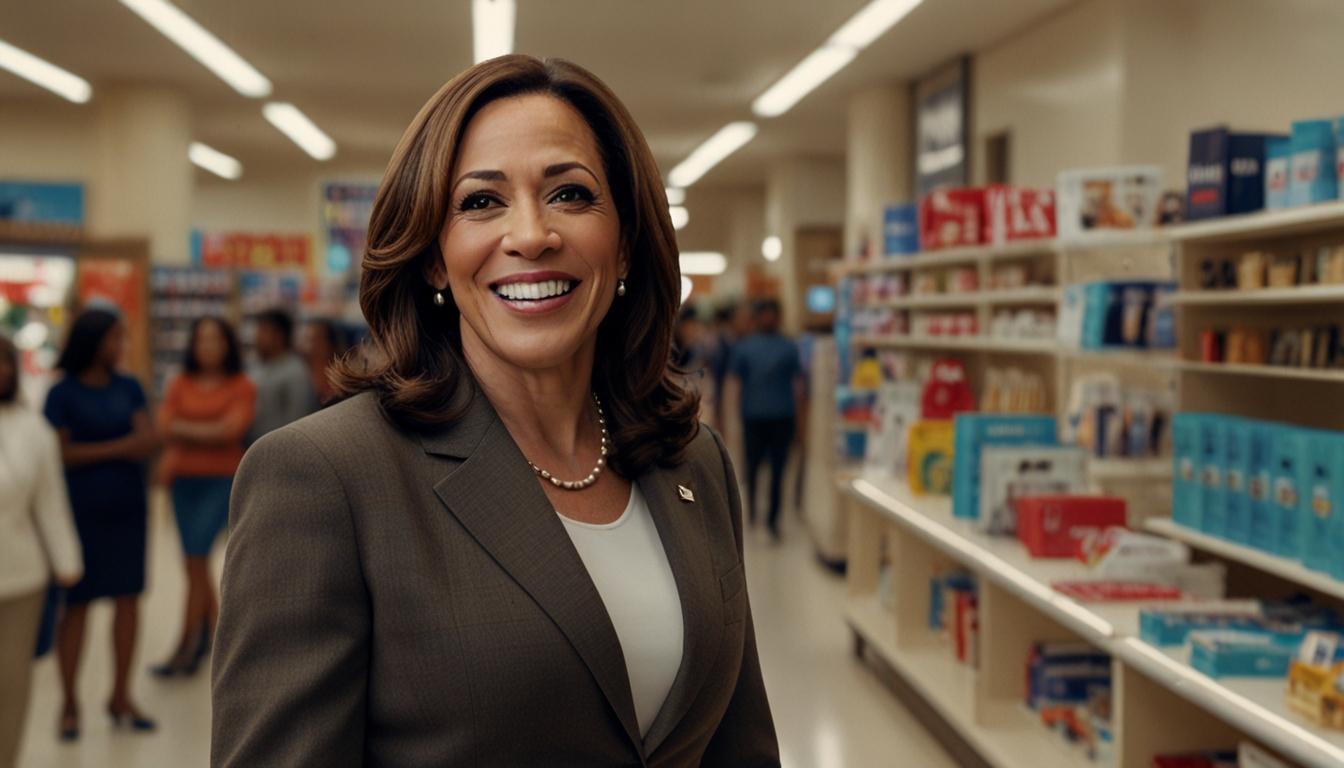
A digitally manipulated video falsely purporting to be a pro-abortion campaign advertisement featuring US Vice President Kamala Harris has been extensively shared across various social media platforms. BBC Verify has conducted an investigation into the authenticity of the video, concluding that it was fabricated by repurposing an existing commercial from a UK department store, to which an AI-generated voice-over was added.
The original footage, which features cheerful and festive settings typical of department store advertisements, was manipulated to convey a misleading message. The video includes an altered visual and audio component, suggesting it was endorsed by Vice President Harris. This prompted numerous online discussions and debates as the video gained traction across social media, leading many viewers initially to believe its erroneous claims. The proliferation of the video exemplifies the ongoing challenge of misinformation online, as digital tools that can create realistic yet false content become more accessible and sophisticated.
It remains unclear who created the manipulated video or for what specific purpose it was designed. The incident underscores the difficulties faced by social media platforms and users in navigating and verifying content in the digital age. Authorities and multiple institutions continue to remind users to critically assess the content they come across online and seek verified sources of information.
The deceptive nature of the video was quickly recognised thanks to the efforts of verification teams who identified the original department store advert elements, allowing them to pinpoint the added layers of AI-generated content. Such fabrication incidents highlight the need for vigilance and critical assessment when engaging with digital content, especially when it targets high-profile figures like Kamala Harris. The potential repercussions of such false representations could influence public perception or stir controversy based on inaccurate information.
As misinformation remains a persistent issue, ongoing efforts to educate users and improve digital literacy are more crucial than ever. However, in this instance, the timely intervention by verification specialists helped to curtail the spread of incorrect information and brought clarity to its origins before causing further confusion.
Source: Noah Wire Services