Cheyenne Mountain School District Utilises Facial Recognition to Curb Vaping
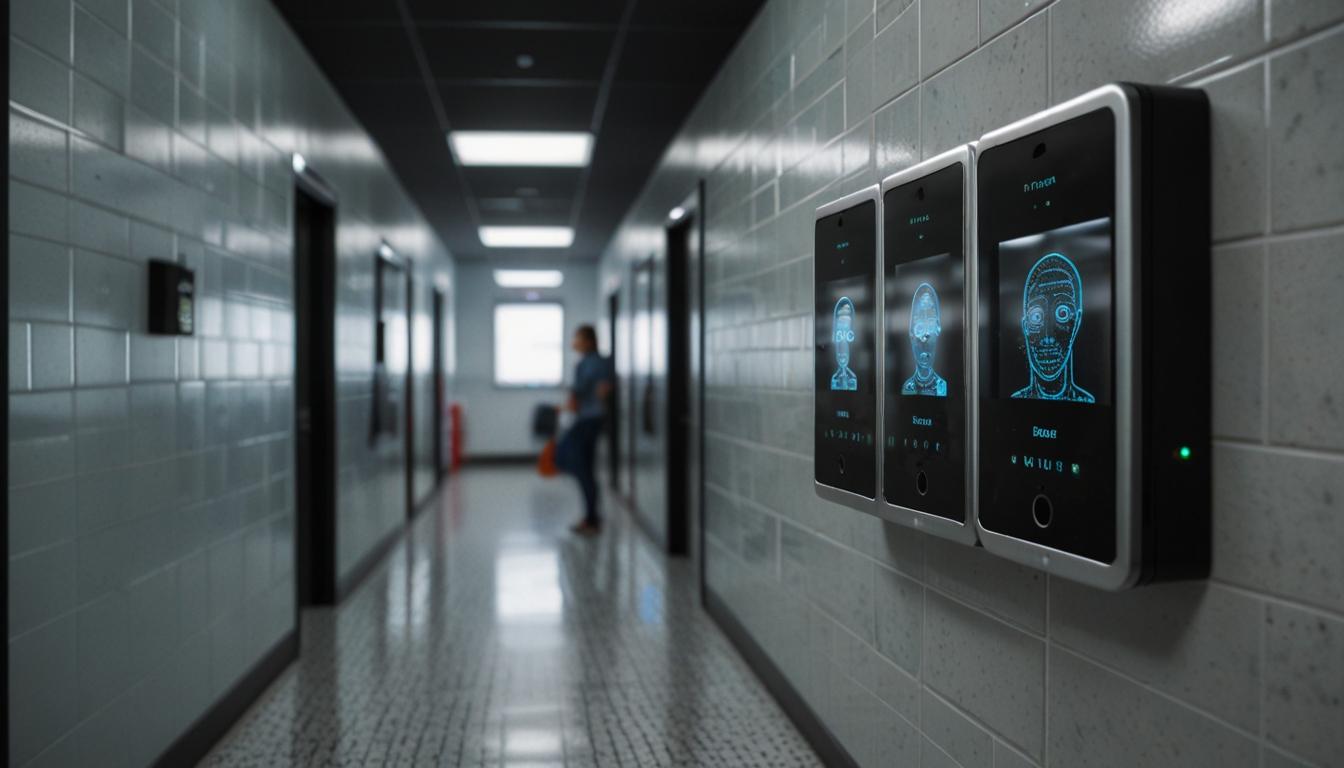
In a controversial move that has ignited robust debate, the Cheyenne Mountain School District in Colorado Springs has implemented facial recognition technology alongside smart air sensors to address the issue of vaping within school premises. This initiative involves the deployment of 400 AI-driven cameras distributed strategically across the district’s buildings, raising both privacy concerns and questions about the ethics of student surveillance.
The technology, provided by the company Verkada, has been described by district officials as an essential tool for ensuring student safety. It operates in conjunction with smart air sensors designed to detect vapour or cannabis smoke in school bathrooms. When such substances are identified, the camera network is utilised to locate and identify the individuals involved.
Greg Miller, the executive director of technology for the Cheyenne Mountain School District, defended the utilisation of Verkada's system, despite its expense, citing its instrumental role in resolving multiple incidents related to at-school vaping. Miller emphasised the system's ability to ensure student safety by identifying potentially harmful behaviours and facilitating timely interventions.
During a recent event hosted by Verkada in Colorado, Miller addressed concerns about the potential for invasive monitoring, assuring attendees that the school district does not engage in continuous surveillance of particular students. He reiterated that the primary aim of this technology deployment is to enhance school safety without compromising student privacy.
Despite assurances from the district, the implementation of such technology is not without its critics. Organizations such as the American Civil Liberties Union (ACLU) of Colorado have voiced significant apprehension. Anaya Robinson, a senior policy strategist at the ACLU, articulated concerns surrounding the balance between the perceived safety benefits and the invasion of privacy that inevitably accompanies such rigorous surveillance.
Robinson pointed out the lack of substantial evidence supporting the safety benefits of facial recognition technology in educational settings. She highlighted the potential negative impact on students' comfort and sense of security in an environment meant to foster learning and growth.
The Cheyenne Mountain School District’s initiative exemplifies a growing trend in educational institutions across the United States, exploring technological solutions to behavioural issues. However, this approach raises profound ethical questions about privacy, the role of surveillance in schools, and the potential implications for students' social and emotional wellbeing. As debates continue, stakeholders in education and technology will need to carefully weigh the pros and cons of such innovative yet contentious measures.
Source: Noah Wire Services