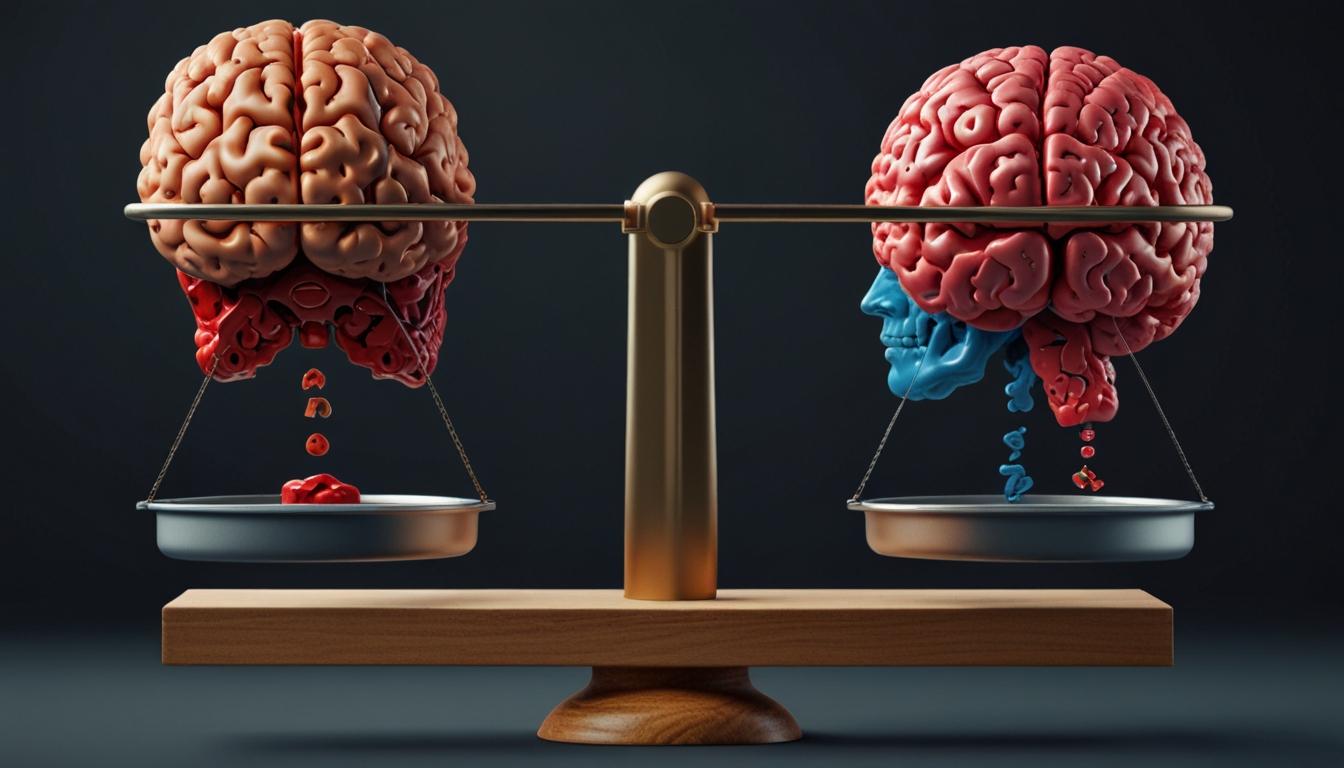
The Dual Nature of AI: Between Optimism and Skepticism
In a rapidly evolving digital age, artificial intelligence (AI) continues to play a pivotal role in reshaping industries, societal norms, and intellectual paradigms. Despite its transformative potential, the general sentiment towards AI appears to be a mix of fatigue and scepticism, largely due to exaggerated promises and the inherent complexity of this technology.
AI is foreseen to revolutionise various sectors, with its global market size projected to exceed $454 billion by the end of 2024. This figure surpasses the gross domestic products of 180 countries, including Finland, Portugal, and New Zealand, illustrating the magnitude of AI’s anticipated economic impact. However, evidence suggests that not all AI ventures are destined for success. By the end of 2025, as much as 30% of generative AI projects may be discontinued after reaching the proof-of-concept stage. Furthermore, over 80% of AI initiatives reportedly fail, a failure rate twice as high as non-AI technology projects.
The contrasting narratives surrounding AI evoke both skepticism and cautious optimism. Skepticism—with roots in philosophical inquiry—simply demands evidence and critical evaluation before accepting claims as truths. History has shown the importance of such inquiry through examples like vaccinations, which faced initial scepticism but eventually gained acceptance after rigorous testing proved their life-saving capabilities. Similarly, innovations like credit cards, television, and smartphones initially met with doubts concerning privacy, societal impact, and technological feasibility, yet they ultimately overcame these hurdles and became integral to daily life.
To effectively navigate the nuanced terrain of AI, a toolkit of evaluation methods has emerged. Techniques such as hallucination detection, which spot inaccuracies in AI output, and fairness evaluations, which inspect potential biases, are crucial in ensuring the reliability and ethical use of AI. Other methods, including anomaly detection and user experience testing, further aid in verifying the performance and societal impact of AI systems.
As the discourse around AI grows, industry leaders and policymakers are encouraged to adopt more transparent, regulation-aware approaches. Clear communication about AI technologies, encouraging inclusive discussions, and keeping abreast of evolving regulatory and ethical guidelines are seen as essential strategies for responsibly integrating AI into society. These measures aim to bridge the gap between the optimism fueling AI advancements and the skepticism of a public wary of its potential pitfalls.
While the allure of AI is undeniable, it calls for a balanced perspective that neither blindly accepts nor outright rejects its contributions. As such, fostering an environment of healthy scepticism may well be the key to unlocking the profound opportunities AI presents, ensuring innovations remain aligned with the wider interests of humanity.
Source: Noah Wire Services