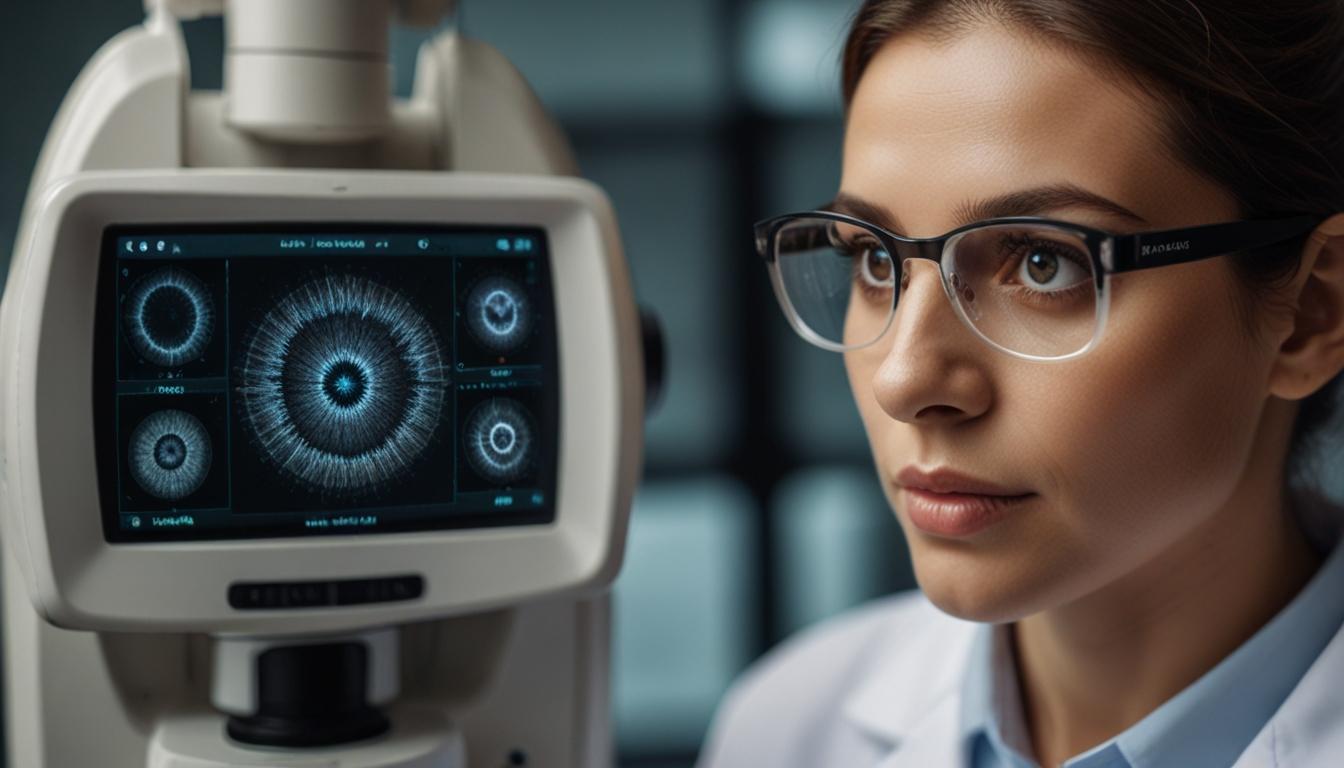
World Sight Day, observed annually in the month of October, serves an essential role in promoting the significance of vision care worldwide. This year, the spotlight is on the transformative impact of artificial intelligence (AI) within ophthalmology, a field that is poised at the intersection of technological innovation and traditional medical practice.
The integration of AI into eye care is not only streamlining existing procedures but also revolutionising how ophthalmologists approach diagnosis and treatment. Through the use of AI, eye care professionals can conduct comprehensive eye exams more efficiently, supplementing their expertise with technology that enhances accuracy and reduces the potential for human error. This is particularly crucial for early-stage detection of ocular conditions such as diabetic retinopathy and glaucoma, which can often remain undiagnosed until they have reached more serious stages.
In the realm of retinal care, AI is proving to be a game-changer. With an increasing number of patients requiring attention for retinal diseases—a trend largely driven by the rise in diabetes globally—AI-based algorithms are being developed to assist clinicians. These tools are designed to support decision-making processes, providing insights and recommendations that can augment a practitioner's ability to deliver precise and timely care.
The role of AI in ophthalmology extends beyond diagnostics, impacting surgical practices as well. In cataract and refractive surgeries, AI is employed to optimise outcomes by helping surgeons select the most appropriate intraocular lens power for each patient. This application not only enhances patient outcomes but also fosters a collaborative environment between optometrists and ophthalmologists, contributing to the advancement of comprehensive eye care.
As World Sight Day approaches, the medical community, particularly those specialising in ophthalmology, is encouraged to consider the benefits of AI. The advent of these technologies represents a monumental shift in clinical operations and patient care strategies, potentially leading to earlier diagnoses and improved treatment results for various sight-threatening conditions.
The promising future of ophthalmology, fortified by AI advancements, undoubtedly augurs a new era for vision care—one that aligns technological prowess with clinical excellence to improve lives around the world. As this sector advances, the imperative remains clear: to harness the full potential of AI in transforming eye health and providing optimal care for all.
Source: Noah Wire Services