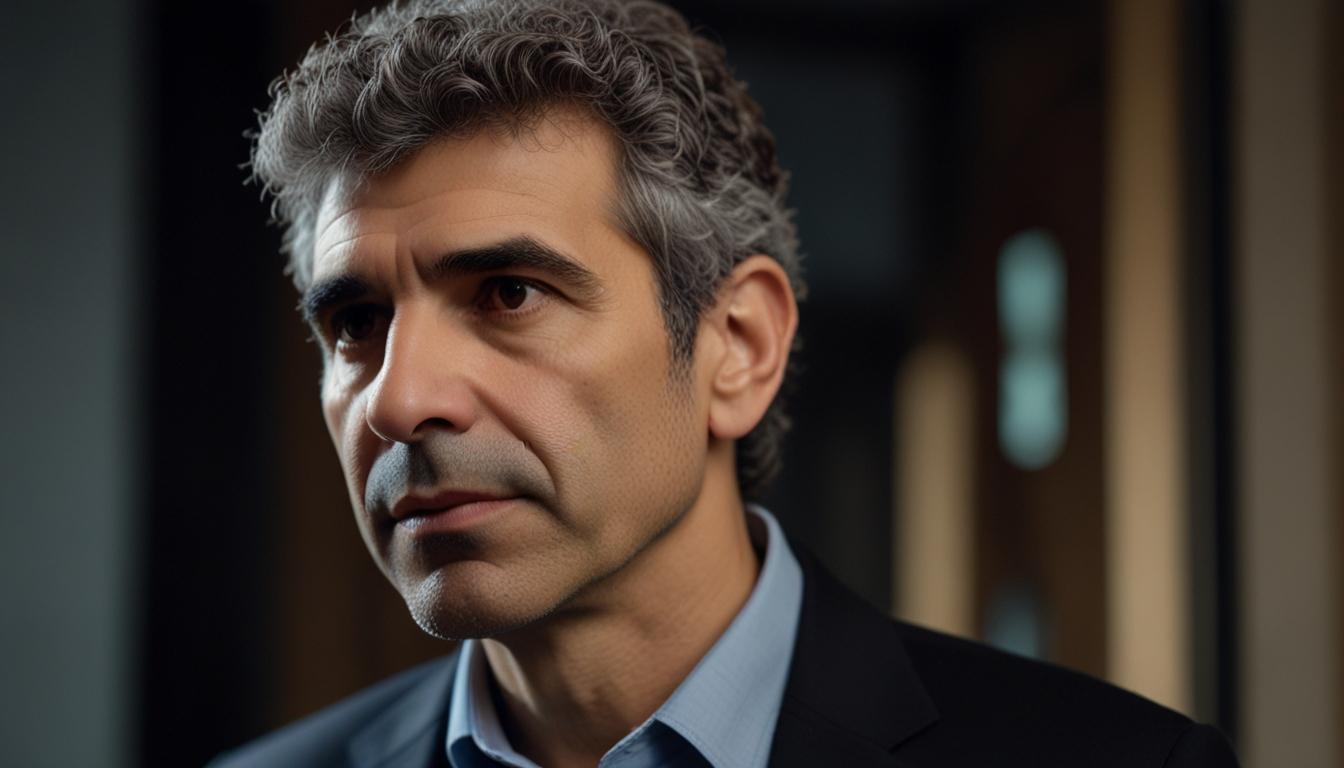
In recent months, the world of artificial intelligence (AI) has been abuzz with excitement and speculation about its transformative capabilities. A focal point in these discussions is the insights of Yoshua Bengio, a celebrated Canadian computer scientist known for his pioneering work in neural networks and deep learning algorithms. Often referred to as the "godfather of artificial intelligence," Bengio has significantly contributed to the development of sophisticated AI models, including OpenAI's ChatGPT and Anthropic's Claude.
In a candid interview with Yahoo Finance, Bengio expressed both enthusiasm and caution regarding the future of AI. He highlighted the immense power intelligence confers and cautioned about the implications of such power being wielded by those who might use it for economic, military, or political dominance. "Intelligence gives power, and whoever controls that power — if it's human level or above — is going to be very, very powerful," Bengio emphasised.
Bengio's remarks underscore the dual-edged nature of technological advancement, particularly in AI. He stressed the necessity for caution in developing technologies that could consolidate power in potentially hazardous ways. "Before we create technology that could concentrate power in dangerous ways, we need to be very careful," he pointed out.
The potential risks associated with AI include its misuse by terrorists or state actors intent on undermining democratic systems. Moreover, Bengio and many of his peers in the scientific community have raised concerns about the autonomy of AI systems. The current training methods for these models might inadvertently lead to the development of systems with their own goals and preservation instincts, posing a risk of losing control over them. "We’re on a path to maybe creating monsters that could be more powerful than us," Bengio warned.
Bengio's contributions to the field were recognised in 2018, when he, alongside Geoffrey Hinton and Yann LeCun, received the Turing Award, often regarded as the Nobel Prize of computing. His influence continued to grow, and in 2022, he was acknowledged as the most cited computer scientist globally. The accolades highlight his pivotal role in advancing AI research and development.
As AI technology continues to advance at a rapid pace, Bengio's perspective serves as an essential consideration for researchers, policymakers, and the public alike. His insights bring to light the profound responsibilities that come with harnessing artificial intelligence, urging a careful and considered approach to its integration into society.
Source: Noah Wire Services