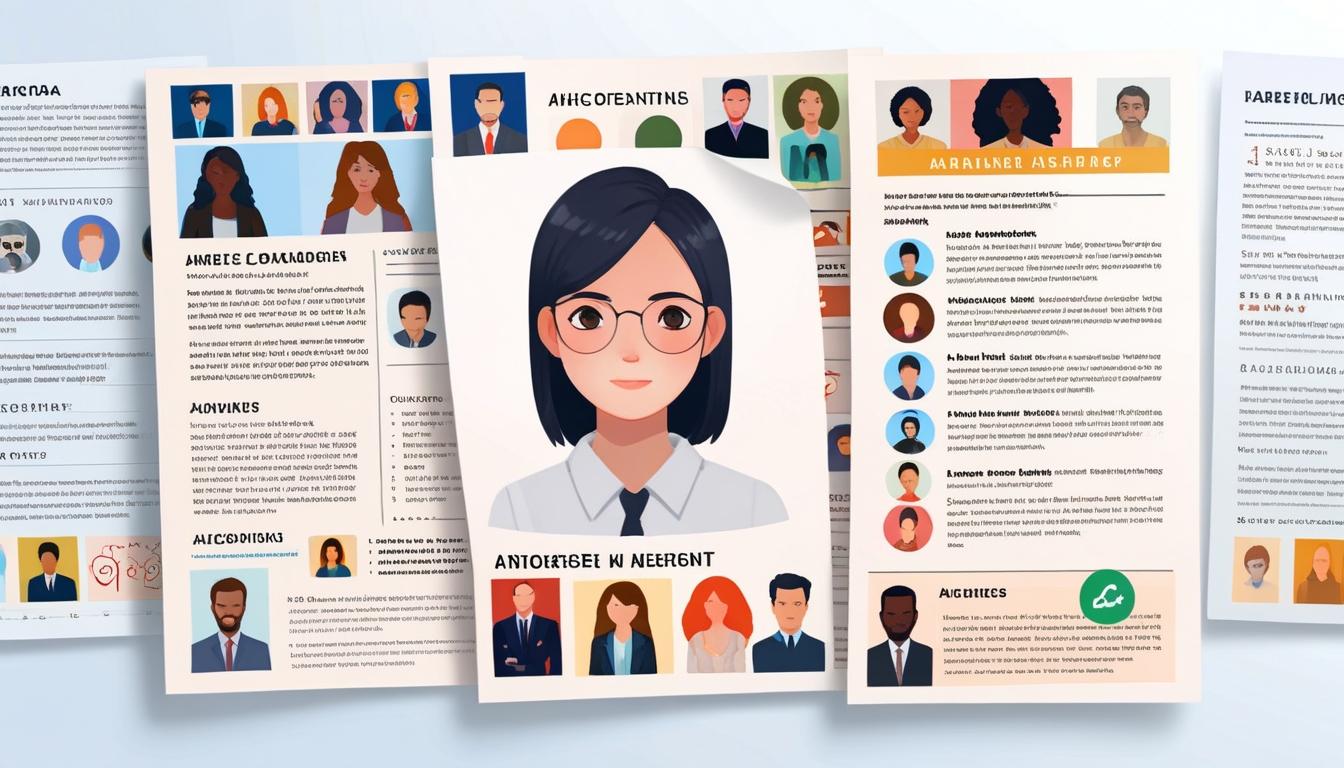
Concerns Over AI Bias in Recruitment Tools Highlight Ethical Challenges in Human Resources
In recent years, the increasing reliance on artificial intelligence (AI) tools in the recruitment process has raised significant concerns about potential biases and ethical challenges. High-profile cases, such as those involving the AI recruitment tools of companies like HireVue and Amazon, have brought these issues to light.
In 2019, a U.S. federal complaint was filed by the Electronic Privacy Information Center against HireVue, a leading AI hiring tool provider, over its alleged deceptive hiring practices. HireVue's software, used by hundreds of companies, was criticised for favouring certain facial expressions, speaking styles, and tones of voice, inadvertently disadvantaging minority candidates. The public interest group described HireVue's results as "biased, unprovable, and not replicable." Although the company eventually ceased using facial recognition, concerns remain over potential biases present in other biometric data like speech patterns.
A similar issue arose with Amazon in 2018 when it discovered its AI recruitment tool exhibited gender bias. The tool, trained on a decade's worth of resumes predominantly from men, favoured male candidates by downgrading resumes that mentioned "women's" or graduates from women's colleges. Despite engineers' efforts to correct these biases, the inability to ensure the tool's neutrality led to the project's termination.
These cases underscore growing concerns that despite AI’s potential to eliminate human bias from hiring, it can sometimes reinforce existing inequalities. As AI becomes more integrated into human resource management, understanding its complex ethical challenges is paramount.
Ways AI May Introduce Bias in the Hiring Process
AI systems in recruitment rely on large datasets for training, and biases can be inadvertently introduced at various stages:
Bias in Training Data: AI systems learn from the data provided. If the training data are historically biased towards certain demographics, such as in Amazon's case with resumes from a male-dominated industry, the AI will likely reproduce these biases.
Flawed Data Sampling: When datasets do not adequately represent the broader population, it can lead to biased outcomes. Over-representation of certain groups, often white males, can result in the AI favouring their characteristics while underestimating marginalized groups.
Bias in Feature Selection: Developers choose which features are important, which can lead to biased decision-making if these features correlate with protected characteristics like race or socio-economic status.
Lack of Transparency: AI systems often operate as "black boxes," making it difficult to discern their decision-making processes. This opacity can hamper efforts to address bias, as seen with Amazon and HireVue.
Inadequate Human Oversight: Over-reliance on AI without human intervention can allow biases to go unchecked. It is essential that AI augments, rather than replaces, human judgment.
Addressing and Overcoming AI Bias in Hiring
To mitigate these issues, companies need to adopt strategies focusing on inclusivity and transparency:
Diversifying Training Data: Ensuring that training data is inclusive and representative of various demographics is crucial.
Conducting Bias Audits: Regular audits of AI systems are necessary to identify and correct patterns of bias.
Implementing Fairness-Aware Algorithms: AI systems should balance outcomes for underrepresented groups through fairness constraints and metrics.
Enhancing Transparency: Companies should prioritise AI solutions that clarify algorithmic processes and disclose AI usage to candidates.
Maintaining Human Oversight: Active human review of AI-driven decisions is vital for fair hiring practices. Leaders should promote the ethical use of AI by embedding ethical considerations throughout the hiring process.
The experiences of HireVue and Amazon illustrate the importance of cautious and responsible implementation of AI in recruitment. Understanding and addressing AI-driven biases are key to ensuring fairer outcomes and preventing technological systems from exacerbating systemic bias in hiring processes.
Source: Noah Wire Services