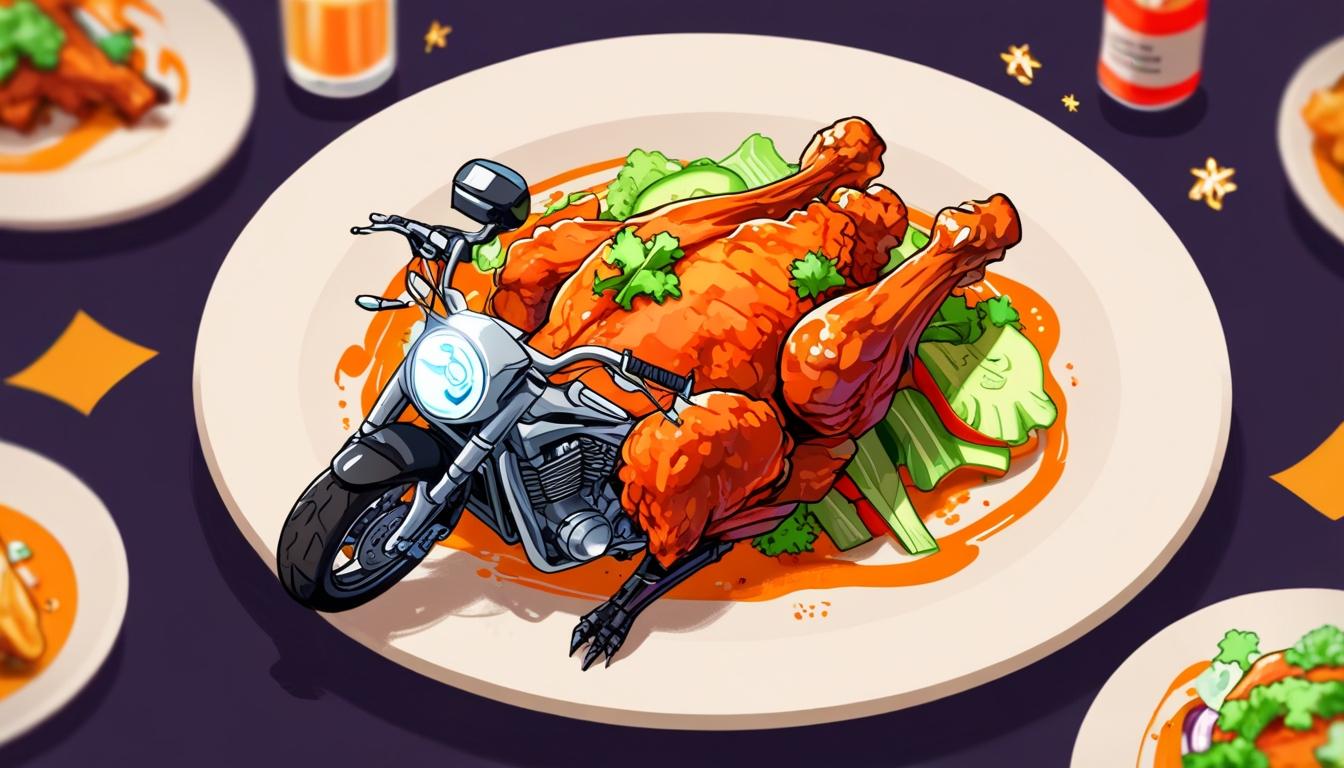
In the ever-evolving landscape of social media and digital innovation, a distinctive trend has captured the attention of online audiences, sparking both intrigue and bewilderment. A fictional restaurant known as Ethos has gained substantial traction on Instagram, amassing an impressive following of 73,000 users with its display of culinary art that includes a croissant resembling Moo Deng, shrimp doughnuts, and a dish intriguingly named "tiki Marsala."
The primary allure of Ethos lies in its images—visually striking and seemingly appetising creations that are, in reality, the product of artificial intelligence. Unlike traditional restaurants striving for the "Best New Restaurant" accolade, the fantastical allure of Ethos has managed to captivate food aficionados and curious onlookers alike, though none can satiate their culinary curiosity with an actual meal. The imagery parades an eccentric assortment of dishes such as a buffalo chicken wing as large as a motorcycle, chicken-fried ice cream, and an exaggerated-sized langoustine. Ethos’ virtual realm also hosts guest appearances by digitally concocted versions of celebrities like Elon Musk, Jeff Bezos, and Jason Momoa.
The genesis of Ethos has stirred much speculation, with its creators opting to maintain anonymity, further fuelling curiosity about the project's purpose. There are myriad theories: Is it a form of performance art? A satirical critique of social media's influence on modern dining culture? Or possibly an elaborate marketing strategy designed to engage and ultimately transfer its follower base to a genuine business entity?
Adding to the perplexity, the Ethos website offers an eccentric reservation page where visitors can partake in a virtual activity of dubious nature—smacking an unidentified individual with an eel—and hosts blogs that explore topics such as authenticity and influencer marketing. The blogs, much like the restaurant's imagery, have been confirmed via CopyLeaks as AI-generated content, making apparent the digital expertise behind the project.
Despite some comments from genuine individuals expressing admiration or curiosity about the dishes, a significant portion of the engagement appears to stem from automated bots, a reflection of the digital world's intricacies in 2024. Even as users navigate this peculiar blend of artistry and technology, questions persist about the line between reality and fabrication in digital spaces and the motivations behind such endeavours.
Ethos stands as a testament to the compelling power of artificial intelligence in creating sophisticated simulations that challenge the boundaries of authenticity in the digital age. The restaurant's virtual presence underscores a broader dialogue around the intersection of technology, art, and social trends within the culinary domain, leaving participants to wonder at the true narrative underpinning this curious venture.
Source: Noah Wire Services