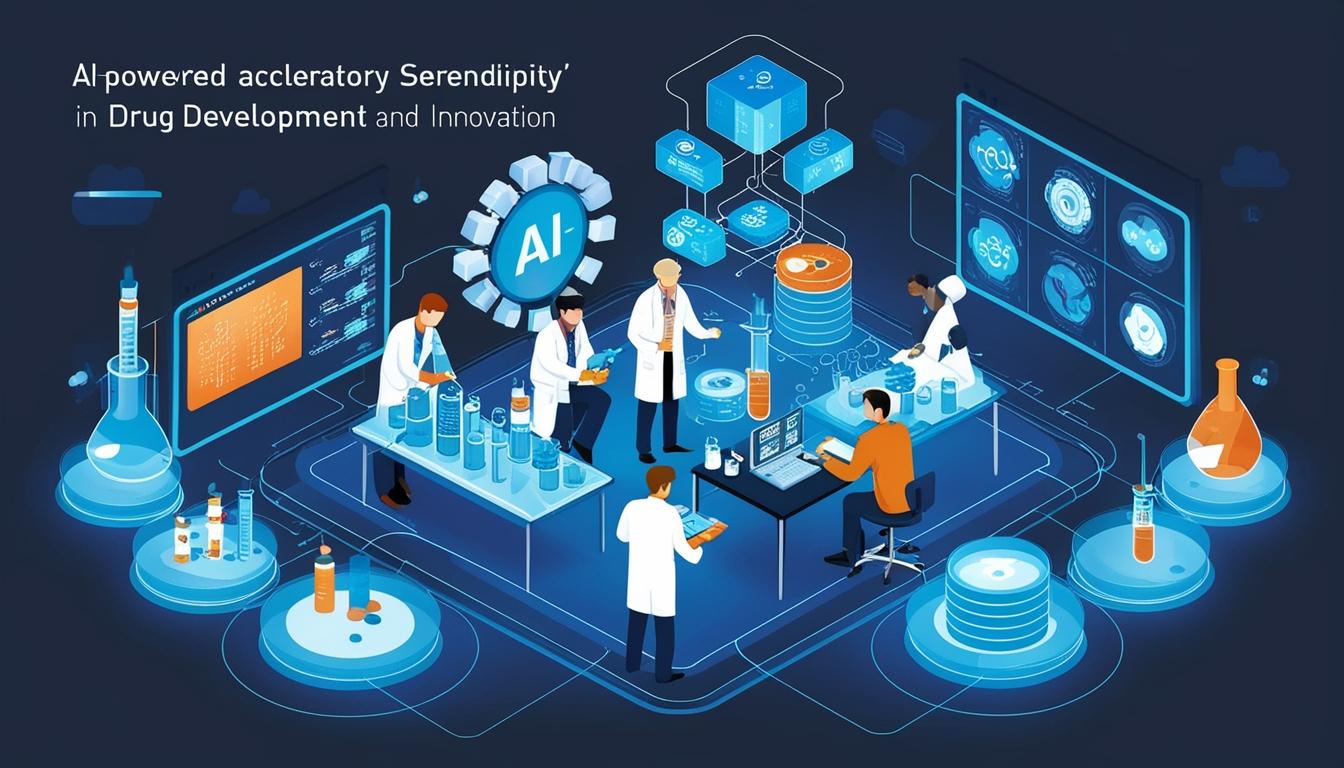
In the evolving landscape of pharmaceutical research, artificial intelligence (AI) is making significant strides in transforming the traditional drug development process. This technological advancement is not only expediting the discovery and design of new drugs but is also streamlining various stages including clinical trials, regulatory submissions, and manufacturing processes.
Matt Truppo, global head of research platforms and computational R&D at Sanofi, recently elaborated on the impact of AI during a discourse with BioSpace. Traditionally, the conception of new drug ideas often occurred through accidental yet fruitful exchanges between researchers, akin to the classic scenario of two scientists serendipitously collaborating in a lab. Truppo highlighted that Sanofi has intentionally structured their workspaces to foster such interactions, facilitating spontaneous discussions in shared spaces designed to inspire innovation.
AI is now beginning to replicate these serendipitous interactions by drawing connections from diverse data sets that might not have been previously identified. Truppo coined this phenomenon as "accelerated serendipity," where AI aids in hastening creative insights traditionally derived from human interactions. While AI cannot solely drive the entire drug development process without human input, industry leaders like Mike Nally, CEO of Flagship Pioneering's Generate:Biomedicines, acknowledge that it significantly amplifies human creativity and efficacy. Nally emphasised that while AI might not entirely revolutionise the probability of a drug's success, it offers incremental improvements that possess a considerable impact on patient care and treatment outcomes.
The pharmaceutical industry is inundated with potential targets for drug discovery, a scenario that Sara Choi, a partner at Wing Venture Capital, describes as being "spoiled for choice." AI has vastly expanded the scope of drug discovery beyond traditional methods, presenting a plethora of options that necessitate strategic prioritisation. Despite this abundance, human discernment remains crucial in determining market viability, patient requirements, competitive positioning, and other critical factors that influence drug development priorities. Truppo noted that AI assists in making these decisions but cannot replace the nuanced judgment inherent in human expertise.
Safety remains paramount in the drug development process. AI's ability to scan for off-target and adverse effects early in the drug design stage is a game-changer, potentially sidestepping issues that might have otherwise gone undetected. Sanofi, for instance, is leveraging AI to create molecules that intentionally avoid known side effects while also using AI to refine patient selection for clinical trials, based on individual risk profiles. This combined approach is expected to yield molecules with improved safety and efficacy profiles.
In terms of regulatory compliance and documentation, generative AI is being utilised by companies like Sanofi to draft clinical study reports required for regulatory review. This task, traditionally laborious and time-consuming, can now be partially automated, slashing the time taken from data generation to regulatory submission by a significant margin. This reduction not only speeds up the approval process ultimately getting drugs to market faster but also optimises resource allocation.
The financial implications of AI-driven efficiencies in drug development are substantial. The cost to bring a new therapeutic to market remains overwhelmingly high, with estimates often reaching into billions. By embedding AI tools throughout various stages of drug development, companies like Sanofi are not only trimming time frames but are also cutting costs associated with bringing new treatments to fruition. This shift holds promise for smaller biotech firms as well, allowing them to innovate within more feasible financial parameters compared to traditional models.
In summary, while AI in drug development cannot single-handedly create breakthroughs without human intervention, its integration is reshaping the industry, offering novel efficiencies and deeper insights into biological complexities. As AI continues to evolve, so too will its role in driving innovation, ultimately benefiting patients and the broader healthcare landscape.
Source: Noah Wire Services