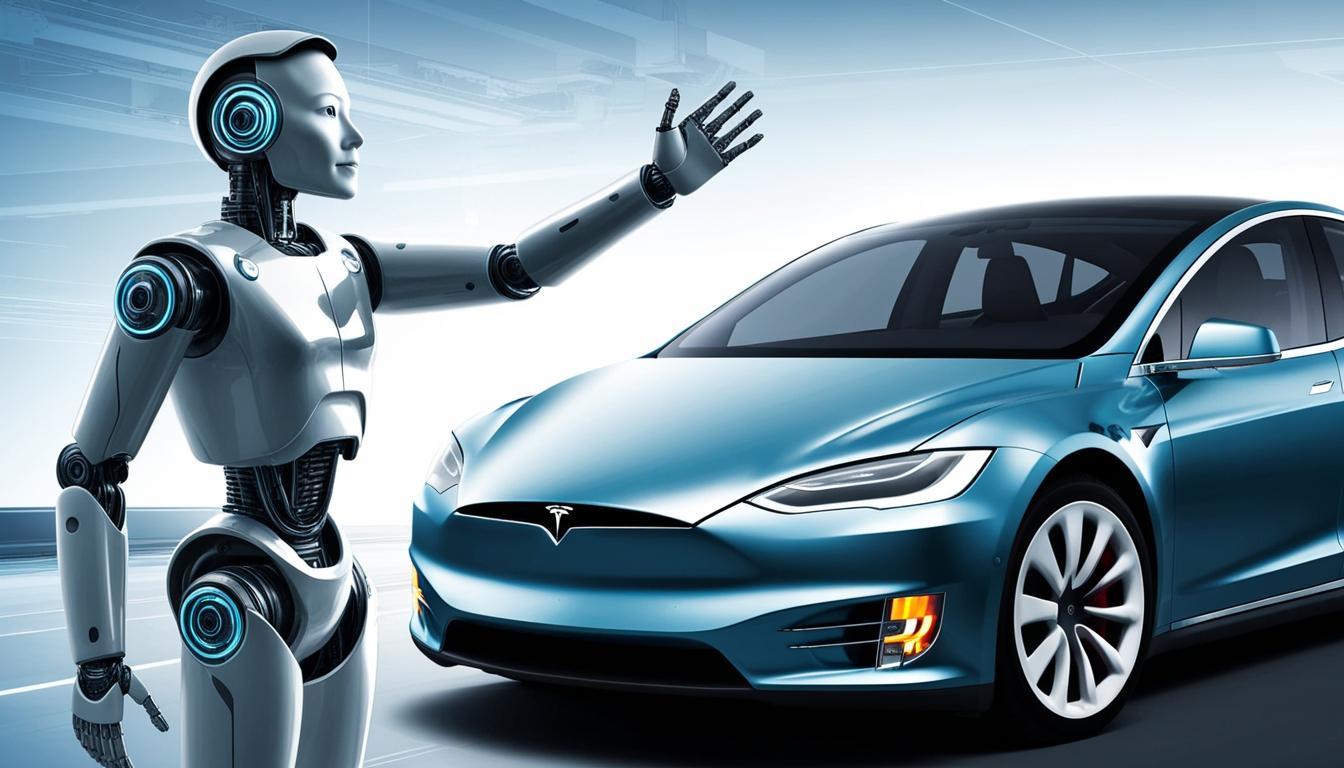
Elon Musk recently showcased a range of innovative yet distinctly sci-fi-inspired technologies at Tesla's "We, Robot" event. Held in Texas, a state that is keenly observing Musk's expansion into its territory, the presentation featured the debut of two major projects: the Optimus humanoid robots and the Cybercab. Despite the high expectations set by Musk for these futuristic inventions, the showcase has been met with mixed reactions, particularly focusing on its conceptual roots in dystopian science fiction.
The Optimus robots, touted as autonomous machines capable of aiding in tasks like laundry folding, were a central feature of the event. However, their design drew comparisons to sinister robots from films like "Mitchells vs. The Machines" and "I, Robot," with some observers expressing concerns over their unsettling appearance. Alex Proyas, director of "I, Robot," even humorously commented on social media about the uncanny resemblance his film's robots have with Tesla’s creations, sparking a playful debate online. Unfortunately, the robots' limited functionality at the event—merely waving and moving awkwardly—was noted by attendees and analysts, contrasting sharply with the ambitious capabilities Musk had promised.
In addition to the humanoid robots, the Cybercab was introduced as Tesla's entry in the self-driving vehicle market. Resembling a cross between iconic vehicles like the DeLorean and elements of "Blade Runner," this autonomous taxi is part of Musk's vision for the future of urban transport. Designed without steering wheels and pedals, the vehicle's futuristic aesthetic overshadows its current lack of operational integration into everyday transport. According to Musk, these vehicles could be operational by 2026 and available for under $30,000. However, scepticism persists, pointing to Tesla's previous ambitious timelines, such as the unfulfilled promise of robotaxis by 2020.
Reactions to the event have highlighted the apparent reliance on sci-fi narratives and aesthetics. Critics argue that Tesla is drawing heavily from classic science-fiction motifs without clear evidence of practical application. The presentation of these innovations alongside references to films like "Back to the Future" and "Blade Runner" has led some to question whether Tesla's latest initiatives are more nostalgic homage than groundbreaking technology.
Ultimately, while the showcase was a visually engaging spectacle, it has raised questions about the balance between innovation and functionality in Tesla's current roadmap. As with many of Musk's projects, there is considerable interest and debate over whether these visions of the future will be realised effectively, or remain tantalising glimpses of what could be. The event has certainly captured the public's imagination, even as it waits to see if these futuristic fantasies materialise on a practical level.
Source: Noah Wire Services